29 October 2026
New research is helping park managers refine how red foxes are monitored at Booderee National Park on the south coast of New South Wales to support timely and reliable management decisions that protect threatened native wildlife.
The National Environmental Science Program Resilient Landscapes Hub study, published in Wildlife Research, analysed eight years of camera-trap data from 50 sites across the park. Researchers examined where foxes occurred, how often cameras detected them, and how different monitoring approaches affected costs and the ability to detect population change.
Booderee National Park has maintained a fox control program for more than 25 years. Effective monitoring is essential because foxes threaten native wildlife and can undermine efforts to protect reintroduced species such as eastern quolls and southern brown bandicoots.
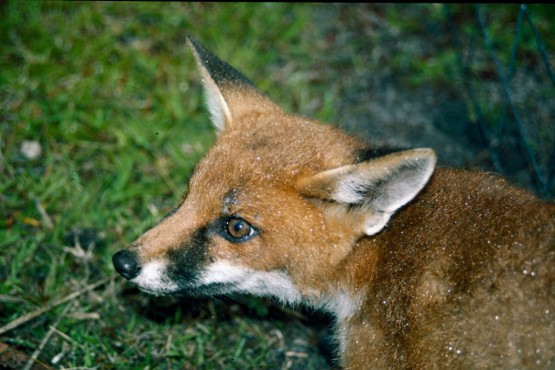
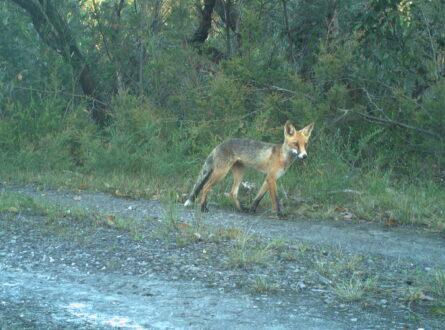
A red fox moving through Booderee National Park. Photo: Paul Meek.
The study found that foxes were most likely to be detected in summer and least likely in spring. Monitoring in summer could be as effective at detecting population changes as leaving cameras in place for twice as long in spring – without the added cost of processing more images.
Lead author Dr Hugh Davies from the University of New England said understanding when foxes were most likely to be detected could help make monitoring more efficient.
“Monitoring programs need to provide reliable information while remaining practical and affordable,” Dr Davies said. “Our findings show that choosing the right time to monitor can strengthen the results without simply increasing survey effort.”
When foxes occur at fewer monitored sites, further changes become harder to detect. Increasing the number of monitoring sites could help maintain confidence in the results when fox occupancy is low.
The research also highlighted the need for consistent monitoring methods. Fox occupancy appeared to increase between 2017 and 2022, but a change in camera model means later estimates cannot be directly compared with the earlier results. Camera type, settings, placement, and orientation can all affect detection.
Although one well-timed survey each year could reduce costs, it would not provide the regular information park managers need to guide baiting and shooting throughout the year.
Co-author Dr Paul Meek from the Vertebrate Pest Research Unit at the NSW Department of Primary Industries and Regional Development, who leads the NESP Resilient Landscapes Hub project on best- practice fox control in Booderee National Park, said monitoring must support both long-term evaluation and day-to-day management.
“Park managers need timely information about where foxes are being detected so they can target control activities,” Dr Meek said. “Permanent cameras operating throughout the year would improve consistency and support more strategic responses.”
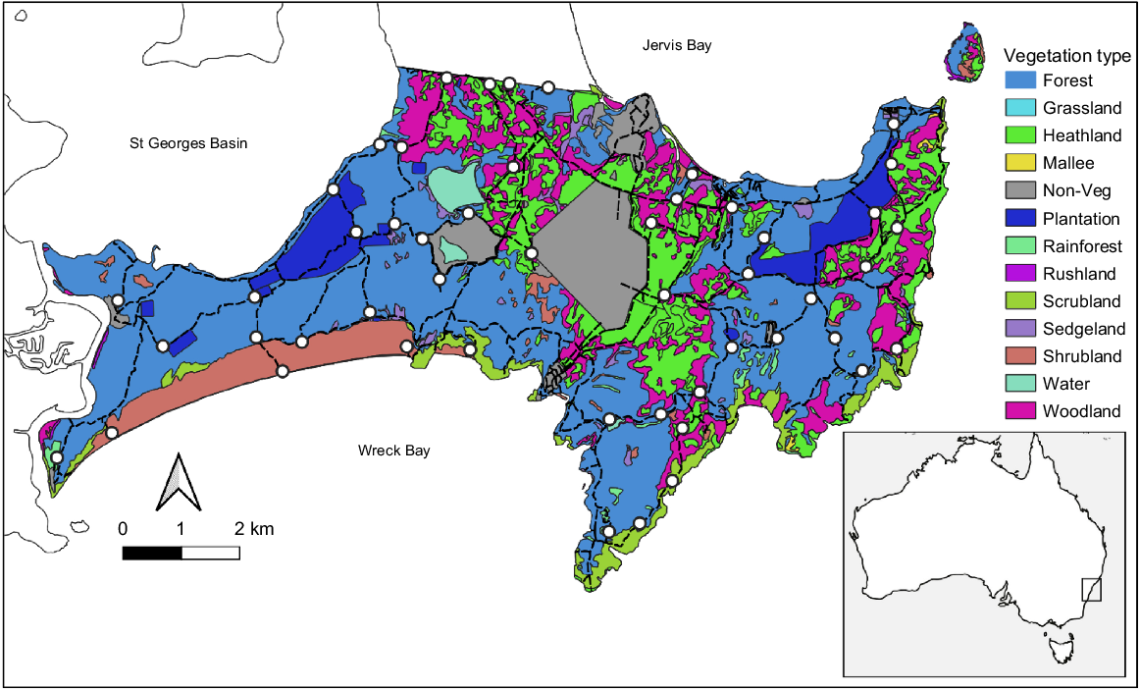
Camera traps at 50 sites across Booderee National Park were used to investigate fox occupancy and detectability between 2017 and 2024. Credit: Davies et al. 2026 / Wildlife Research.
The researchers suggest using permanent, carefully positioned cameras operating year-round. This would provide more consistent and timely information while reducing the work involved in repeatedly deploying and retrieving cameras.
The recommended changes need to be carefully calibrated and supported by efficient systems for processing the increased volume of camera-trap data. To address this increase in image data, the Australian Government’s Department of Climate Change, Energy, the Environment and Water with Parks Australia have developed a customised image processing system called Predator Detector.
The findings from this paper show how existing data can help balance scientific confidence, management needs and cost. The approach may also offer lessons for invasive predator monitoring in other conservation areas.
The research is part of the NESP Resilient Landscapes Hub project working with Booderee National Park managers and Wreck Bay Bherwerre Rangers to strengthen fox control, early detection and native species recovery.
The National Environmental Science Program Resilient Landscapes Hub is funded by the Australian Government to support research that strengthens the resilience and sustainability of Australia’s terrestrial and freshwater ecosystems.
Want to know more about the Resilient Landscapes Hub's activities and our research into practical solutions to environmental problems? Stay informed about activities, research, publications, events and more through the Hub newsletter.
"*" indicates required fields