Vanessa Adams
Research Executive Committee and Southern Node Leader
University of Tasmania

20 December 2025
The Australian Government has adopted Target 3 of the Kunming-Montreal Global Biodiversity Framework (GBF), which calls for at least 30% of terrestrial, inland water, and coastal and marine areas to be effectively conserved and managed by 2030. Yet scientists estimate that up to 90% of the species and ecosystems that are currently unprotected or poorly protected within Australia are found on private land. Effective conservation programs carried out on private land are essential to achieving our GBF targets.
Voluntary land conservation programs such as Land for Wildlife support private landholders to better understand the conservation values of their properties. They also provide practical advice on the management activities needed to ensure these values are maintained, which is essential for meeting the criteria of a ‘conserved area’ under the GBF.
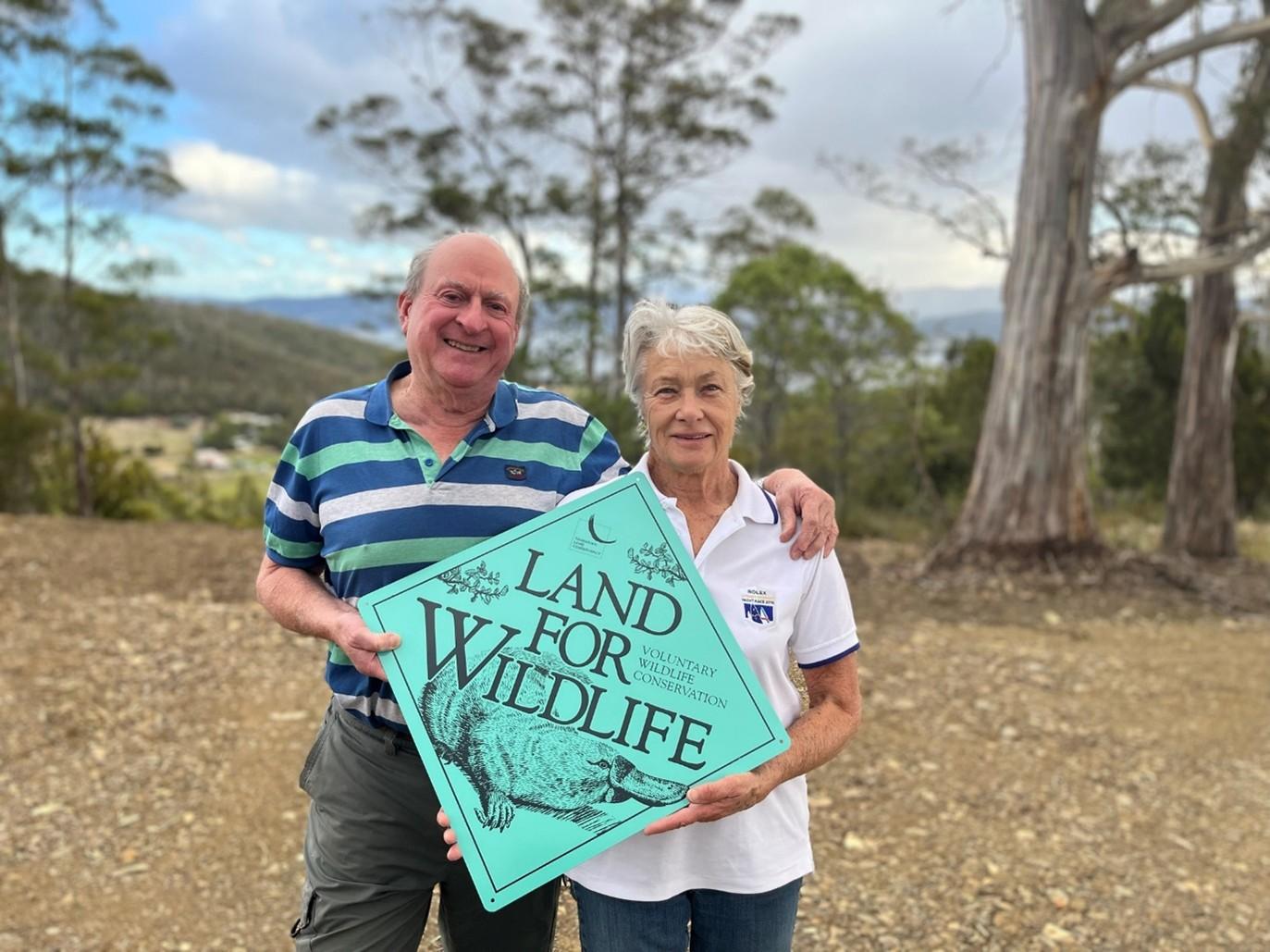
Land for Wildlife participants. Photo: Phil Wise.
The Resilient Landscapes Hub with our partners Tasmanian Land Conservancy and Land for Wildlife South East Queensland are investigating what motivates people to join a voluntary land conservation program. They are developing new tools and approaches to provide landholders with the support they need to manage their land to meet GBF criteria.
The ‘noticing nature’ framework encourages people to actively notice nature – rather than simply spend time in nature – to improve their connection with nature and promote conservation action. In 2024, hub researchers based at The University of Tasmania (UTAS) surveyed Land for Wildlife participants in Queensland and Tasmania and found that their connection to nature was significantly higher than for people in the general population.
‘I seriously feel like a veil has been lifted from my eyes and my love and appreciation for that property has increased a thousand-fold.’ Land for Wildlife participant with the Tasmanian Land Conservancy
Hub researchers will continue to collaborate with Land for Wildlife staff in both states to build upon the framework, and use it to develop tools and education material that inspire landholders to manage their property for conservation outcomes.
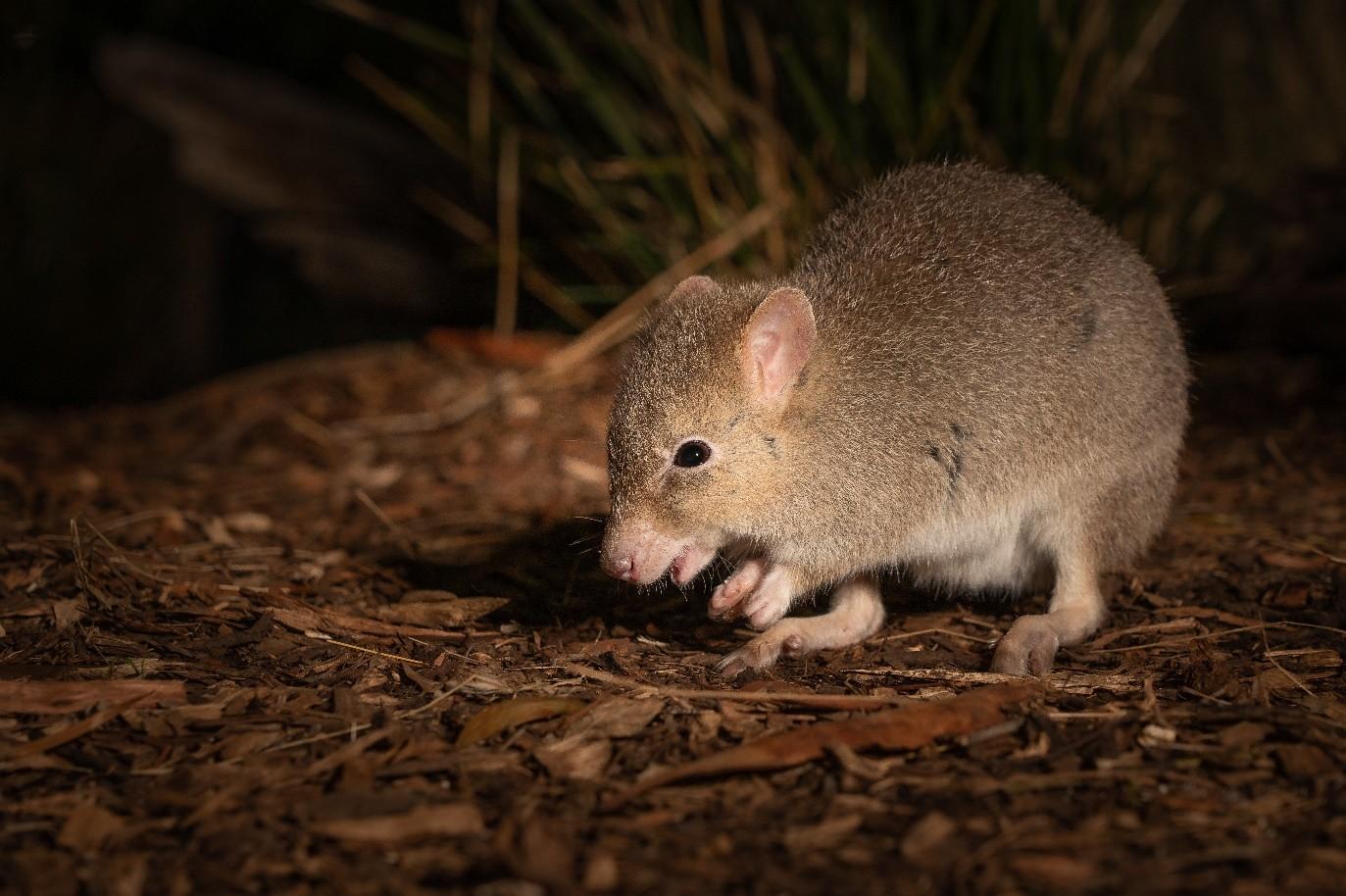
The bettong is a marsupial protected within conservation areas. Photo: Matt Palmer.
The Tasmanian Land Conservancy (TLC) is a philanthropic organisation that helps conserve private lands. UTAS and Hub Masters student Laura Smith analysed how the TLC’s Land for Wildlife program provides advice to its members, and whether this advice meets their members’ needs for managing their land. She collaborated with the TLC team to revise the template for Land for Wildlife property reports based on her analysis of the language used in the advice. The revised reports use empowering language and break down advice to landholders into a series of steps that they can more easily act upon.
An experienced Land for Wildlife property assessor reported that the new template ‘is a great arrangement of thoughts and ideas and practical tips, with the flexibility to adapt as required’.
The new template and conservation tips will be available to an expected 90 new TLC Land for Wildlife members this year.
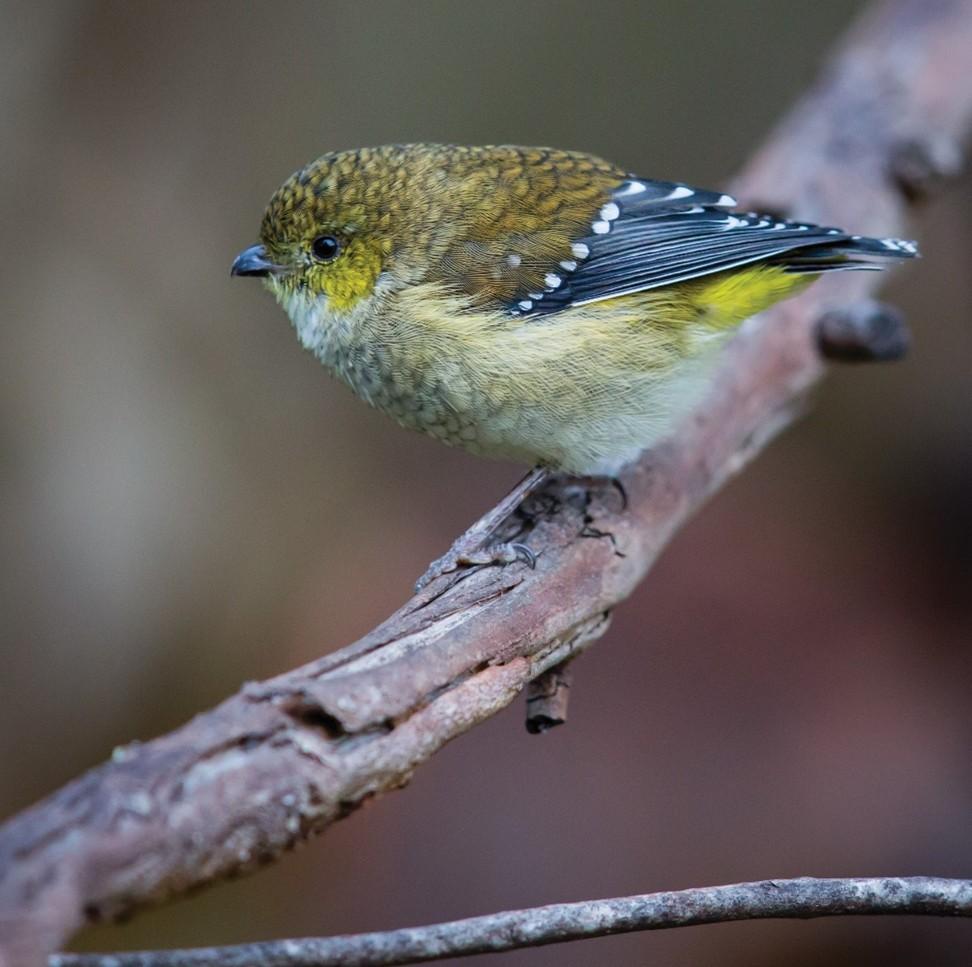
The forty-spotted pardalote is a threatened native bird whose habitat has become highly fragmented. Photo: Andrew Browne.
Want to know more about the Resilient Landscapes Hub's activities and our research into practical solutions to environmental problems? Stay informed about activities, research, publications, events and more through the Hub newsletter.
"*" indicates required fields
