14 May 2026
Rainforest restoration in Australia’s Wet Tropics is helping rebuild important habitat, but a new study shows monitoring may be stopping too soon to capture the full picture of recovery.
Led by James Cook University researchers, the study published in the Journal of Restoration Ecology surveyed 25 organisations involved in tropical forest restoration across the Wet Tropics. It found that almost all organisations undertook some form of monitoring or visual surveillance, but most focused on early signs of success such as canopy closure, tree survival and weed control.
These indicators are useful, but they do not show whether biodiversity, threatened species habitat or ecosystem function are recovering over the long term.
Study coauthor Professor Susan Laurance said rainforest recovery takes time.
“Canopy closure and tree survival are important early indicators, but they do not necessarily tell us whether biodiversity, ecological function or threatened species habitat are recovering over the long term,” Professor Laurance said. “A planting may look successful after three to five years, but the return of mature forest species, wildlife and ecosystem function can take decades.”
The study found that restoration goals and monitoring practices do not always line up. While organisations aimed to improve habitat connectivity, biodiversity, threatened species habitat and forest resilience, most monitoring focused on short-term changes that are easier to measure after planting.
Many organisations stopped monitoring once canopy closure was reached, weed management was no longer needed, or funder requirements ended. Researchers say this reflects limited funding, staff and technical capacity rather than a lack of commitment, with most organisations identifying monitoring as a moderate to very high priority if additional resources were available.
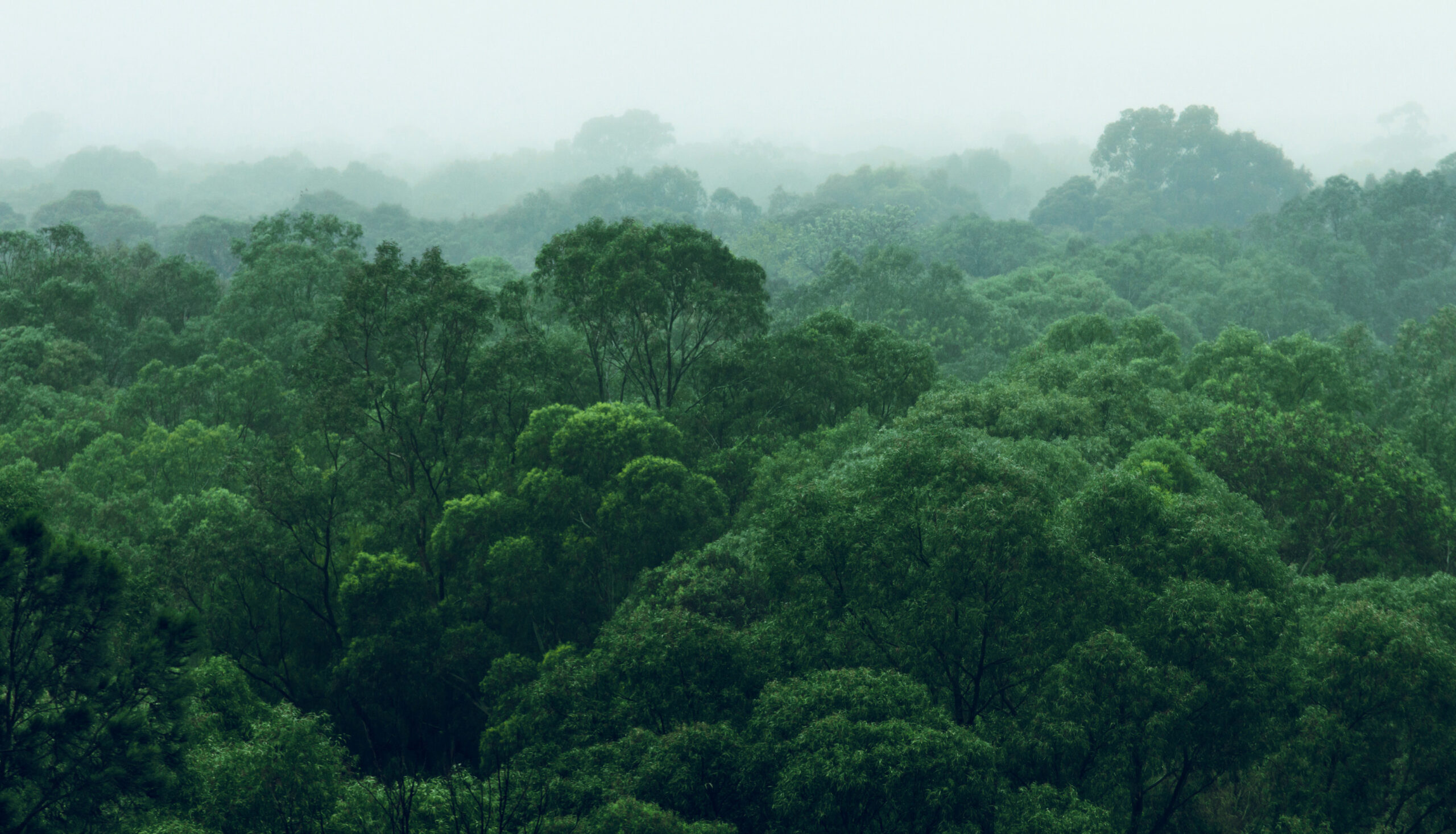
Rainforest restoration in the Wet Tropics is often monitored through early indicators such as canopy closure and tree survival, but long-term biodiversity recovery can take decades. Photo: AdobeStock.
Professor Laurance said stronger, practical monitoring frameworks are needed as restoration efforts expand.
“Community groups, landholders, Traditional Owners, conservation organisations and volunteers are doing much of the heavy lifting in rainforest restoration,” Professor Laurance said. “The challenge is making monitoring both ecologically meaningful and practical for the people delivering restoration on the ground.”
The findings are particularly important as nature-positive and biodiversity markets grow, increasing the need for credible evidence that restoration is delivering genuine, lasting ecological recovery.
This research is part of a broader National Environmental Science Program Resilient Landscapes Hub project investigating what social and ecological factors contribute to the success of restoration programs.
The National Environmental Science Program Resilient Landscapes Hub is funded by the Australian Government to support research that strengthens the resilience and sustainability of Australia’s terrestrial and freshwater ecosystems.
Want to know more about the Resilient Landscapes Hub's activities and our research into practical solutions to environmental problems? Stay informed about activities, research, publications, events and more through the Hub newsletter.
"*" indicates required fields