19 June 2025
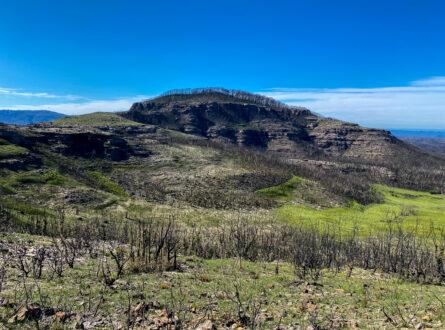
The Greater Blue Mountains World Heritage Area in New South Wales is both an ecologically and culturally important area. The region is home to endemic and iconic species, such as the Wollemi Pine, and culturally important places for Traditional Owners.
Climate change has escalated the frequency and intensity of droughts and bushfires in the Blue Mountains, posing a threat to native species and ecosystems. Plans to conserve these species and ecological communities into the future often involve management actions to increase resilience to the threat from climate change. However, doing so requires understanding what factors make species or communities resilient to begin with.
Traditional Owners recognise ‘special places’ within the Blue Mountains: refugial areas that are naturally protected from the impacts of drought and fire. Studying these ‘refugia’ can help us understand the times of the year and the conditions under which plant communities are able to show resilience to the effects of climate change. That knowledge will help to inform management actions aimed at protecting existing refugia and bolstering landscape resilience.
Want to know more about the Resilient Landscapes Hub's activities and our research into practical solutions to environmental problems? Stay informed about activities, research, publications, events and more through the Hub newsletter.
"*" indicates required fields