4 June 2026
Vegetation screens, buffer strips, fences and earth mounds are often used to reduce the visual impact of development, but a new study suggests these measures may also be hiding the true scale of environmental degradation.
Published in Conservation Biology, the study argues that while screening can make damaged landscapes easier to live near, it may also reduce public awareness of the environmental impacts happening around them.
Led by Professor Matt Hayward from the University of Newcastle, with support from the National Environmental Science Program Resilient Landscapes Hub, the study examined how visual impact mitigation is used in environmental assessment processes in Australia and internationally.
The researchers found that these measures are commonly used to block or soften views of environmental degradation, including impacts from mining, land clearing, farming and pollution.
The study suggests that when people cannot see environmental damage, they may be less likely to understand the scale of biodiversity loss or support stronger action to address it.
“People cannot respond to environmental damage they never see. If we continually hide degraded landscapes behind screens and buffers, we risk creating a false impression that the environment is healthier than it really is,” Professor Hayward said.
The researchers note that not all screening is bad. Planted vegetation can sometimes provide habitat, improve connectivity or deliver other environmental benefits. However, they caution that greening measures should provide genuine ecological value, rather than simply masking damage.
The study calls for more careful use of visual impact mitigation, and for better ways to show people the scale of environmental change through public imagery, maps, viewing areas and other communication tools.
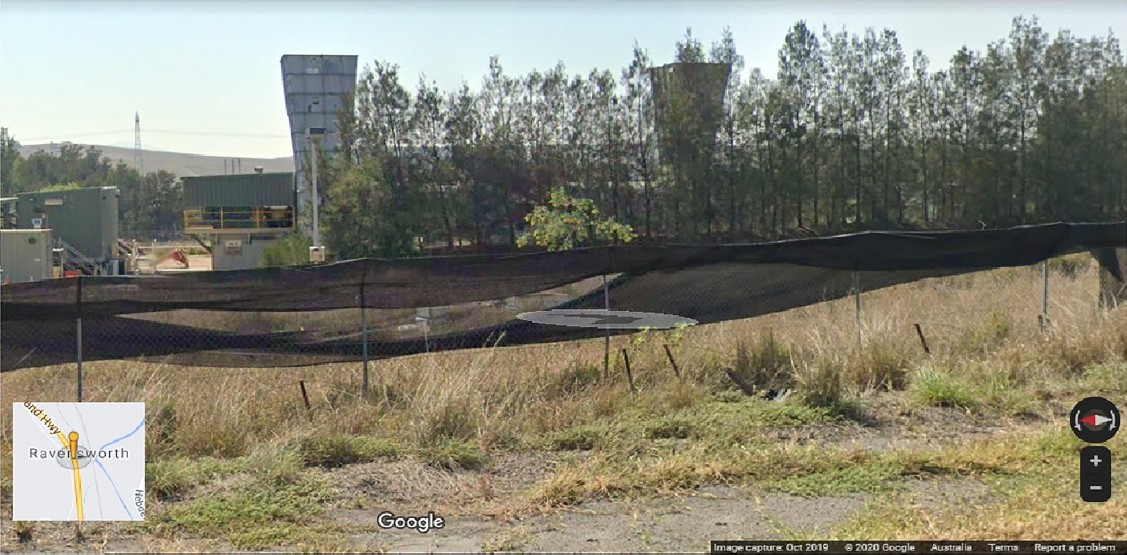
Vegetation screens can reduce the visual impact of development, but may also hide the true scale of environmental damage. Image: Hayward et al. 2026 / Conservation Biology.
This research was supported by the Resilient Landscapes Hub as part of the monitoring resilient landscapes project, which is helping improve how environmental change is detected, tracked and understood across Australia’s landscapes.
The National Environmental Science Program Resilient Landscapes Hub is funded by the Australian Government to support research that strengthens the resilience and sustainability of Australia’s terrestrial and freshwater ecosystems.
Want to know more about the Resilient Landscapes Hub's activities and our research into practical solutions to environmental problems? Stay informed about activities, research, publications, events and more through the Hub newsletter.
"*" indicates required fields