9 November 2026
This NESP Resilient Landscapes Hub project supports these priorities. It is improving how flying-fox roosts are monitored. It is also helping managers understand heat risk at each roost site.
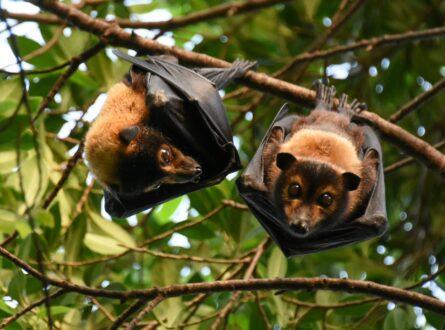
In 2018, an extreme heatwave killed about one-third of the spectacled flying-fox population. This added to a long-term decline caused by habitat loss and climate change.
Hub researchers are helping managers move beyond emergency response. They are supporting planned action based on evidence. The project is improving roost monitoring and heat risk assessment.
The project works with key research users. These include Terrain NRM, Traditional Owner ranger groups, local governments and the Spectacled Flying-fox Recovery Team.
Together, they are developing tools to support decisions before and during heatwaves. These tools include site-level heat risk forecasts, ranked intervention options and decision support tools. The aim is to reduce actions that may be ineffective or harmful.
Thermal drones funded through the Hub are central to this work. The drones have improved project monitoring. Project partners, including Terrain NRM, now use them as well. This increases the value of the Hub’s investment and supports recovery work across the region.
“The technology is capable of detecting roosting bats with high accuracy, even under dense rainforest canopy.” – Dr Andrew Dennis, Terrain NRM.
Less disturbance, better data
A peer-reviewed study by Hub-supported researcher and PhD candidate Emmeline Norris found that drone surveys disturb endangered spectacled flying-foxes less than ground surveys.
“This gives managers and ranger teams a safer, lower-impact way to gather reliable monitoring information at roosts especially when conditions are hot, humid, or logistically difficult”, says Ms Norris.
Project leader Professor Susan Laurance said drones help researchers survey much larger forest areas. She said the technology improves access to the environment and creates new opportunities for restoration monitoring.
Technology and Traditional Knowledge, at scale
The Hub’s investment in thermal drones is creating benefits beyond one project. The drones support monitoring and recovery work led by other groups, including Terrain NRM. They also help build regional capacity to respond to extreme events.
Terrain NRM has been working with rangers from 16 Traditional Owner groups across the Wet Tropics. Together, they identify roost sites, carry out ground counts and record data using digital tools.
Researchers compare these counts with thermal drone images. James Cook University researchers are also developing AI-assisted counting methods. These methods aim to make counting faster and more consistent.
Dr Dennis said early trials of the drone and AI system with the National Environmental Science Program show promising results.
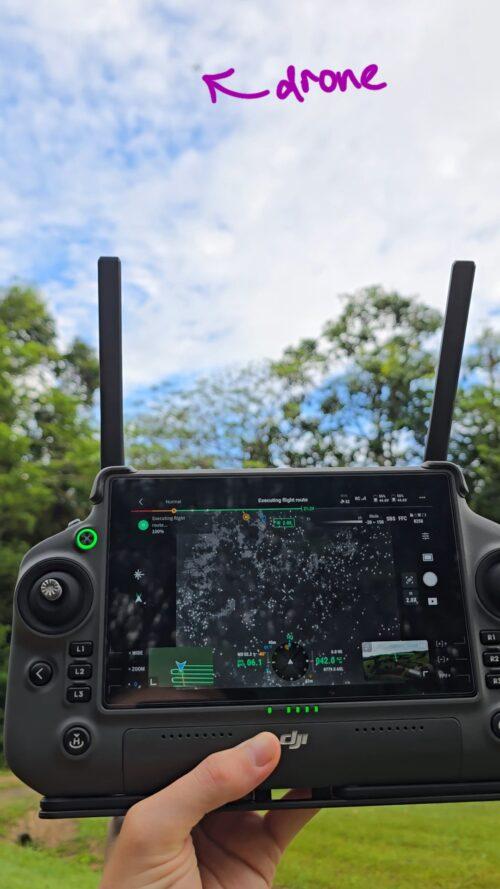
Drone controller view showing flying-fox “hotspots” detected in thermal imagery (photo credit: Emmeline Norris).
From monitoring to intervention planning
The project brings together ranger observations, drone data, and local knowledge. This information helps partners find high-risk areas. It also helps them decide where action is needed first.
Actions may include protecting habitat, restoring damaged areas and planning for future heatwaves.
Terrain NRM and its partners have already inspected priority sites. They found key threats, including land clearing and invasive weeds. This information is guiding recovery work on the ground.
“It takes a team effort to recover an endangered species,” Dr Dennis said. “By working closely with Indigenous rangers, the Spectacled Flying-fox Recovery Team, and research partners, we’re bringing together science, culture and community to help this species bounce back.”
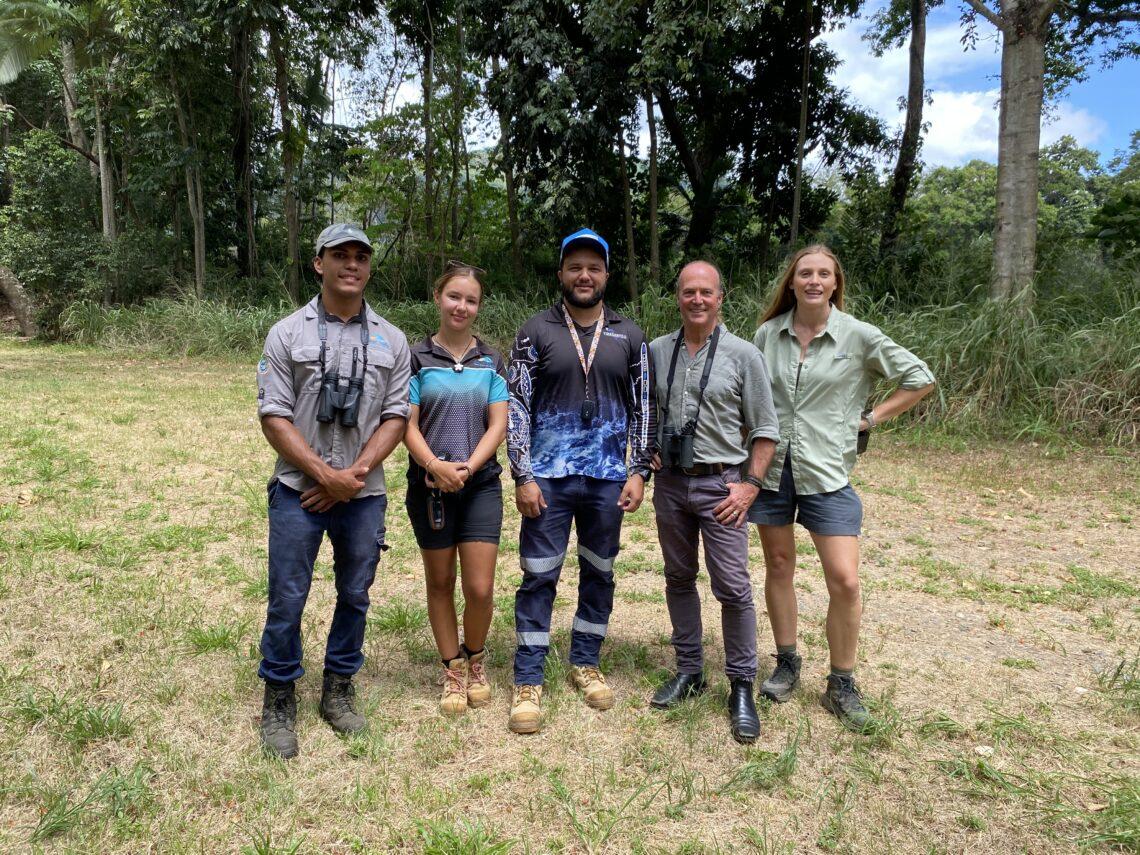
Indigenous rangers and researchers using thermal drone equipment at a Wet Tropics roost site (photo credit: Terrain NRM / project partners).
Further reading
Drone surveys cause less disturbance than ground-based surveys in endangered spectacled flying-foxes (Pteropus conspicillatus)
Thermal drones for wildlife research in tropical forests: A review of best practices, challenges, and opportunities
Want to know more about the Resilient Landscapes Hub's activities and our research into practical solutions to environmental problems? Stay informed about activities, research, publications, events and more through the Hub newsletter.
"*" indicates required fields