9 November 2026
NESP Resilient Landscapes Hub researchers are working with Jagun Alliance Aboriginal Corporation. Together, they are co-designing a community-centred approach to climate adaptation planning for biodiversity.
The approach is designed for use in local and state planning. It is also intended to support on-ground conservation action.
“The project followed a respectful and genuine approach to weaving knowledge systems, keeping the climate change planning outcomes meaningful and useful for community.” – Uncle AJ, Director, Jagun Alliance Aboriginal Corporation.
Locally grounded adaptation planning
A key strength of the Hub project has been its culturally informed approach. The project included gatherings with Jagun Alliance Aboriginal Corporation cultural advisors and the project team. These gatherings created space for cultural Knowledges to guide the work.
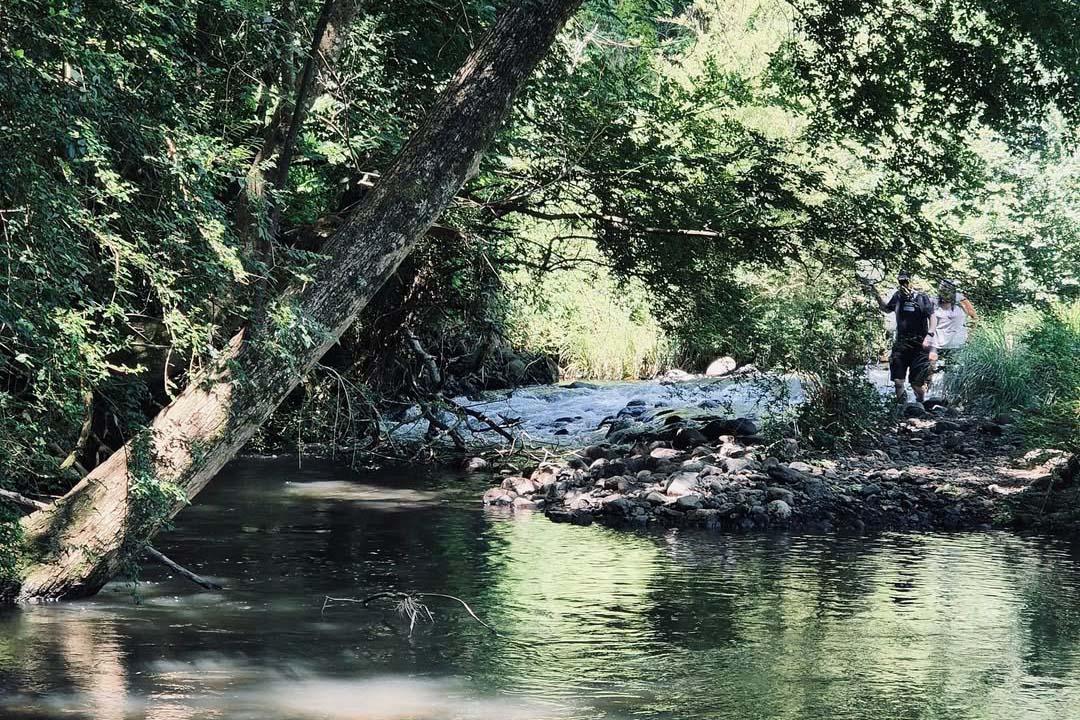
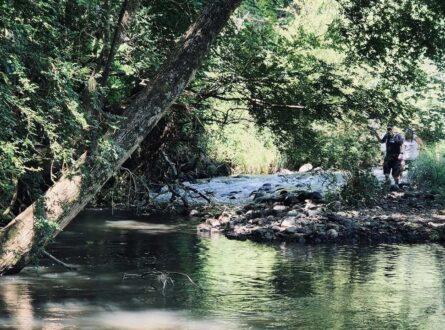
Jagun River Custodians and Heal the Rivers team members at Balun / Richmond River (photo credit: Jagun Alliance Aboriginal Corporation).
Cultural Knowledges helped guide species selection. They also shaped the tools in a respectful and collaborative way.
The workshops helped community members build skills, share knowledge and develop their own plans. They also helped keep cultural and ecological values at the centre of decision-making.
Stronger relationships with Care for Country and conservation groups
Over six months, the project held six adaptation planning workshops. Each workshop had about 45 participants.
Participants came from Indigenous organisations, ranger groups, local and state government, conservation NGOs, Landcare groups, private landholders and community conservation groups.
The workshops worked through climate risk, vulnerability, possible actions and planning steps. This helped participants build shared knowledge and practical planning skills.
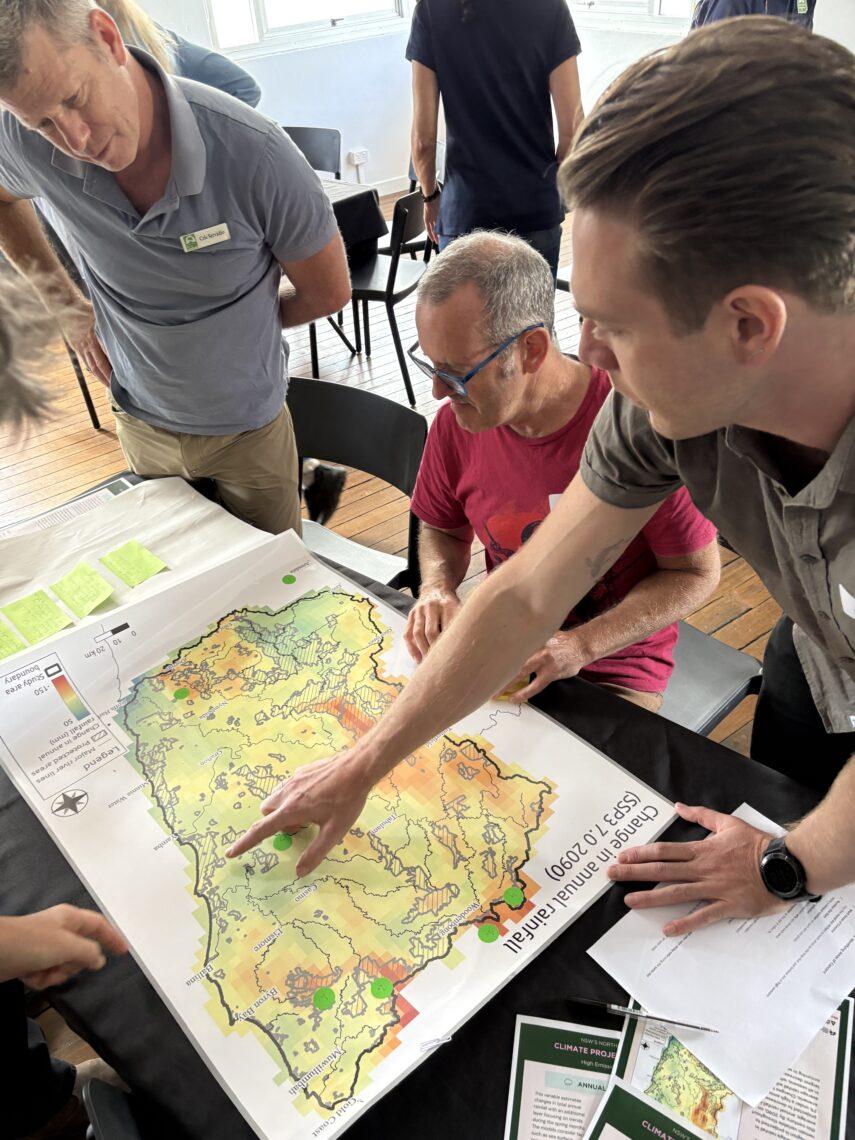
Northern Rivers workshop (photo credit: Pazit Taygfeld).
Ongoing consultation has also strengthened relationships across the region. This supports plans that place cultural and ecological values at the centre.
“I was fortunate to attend a series of community-centred workshops run by Jagun Alliance and Griffith University academics working in biodiversity resilience,” says Adrian Deville, Biodiversity Program Manager (Conservation), Corymbia Biodiversity Project. “It was helpful to meet others with similar concerns about how climate change will affect biodiversity in our region. The workshops shared the latest knowledge and helped us think through future decisions in a broad and science-based way.”
Tools and maps are being used beyond the workshops
The Hub project has created practical mapping tools. These tools help people keep working together after the workshops.
A dynamic network map, built in Kumu, shows how groups are connected across the Northern Rivers. It helps people find links and new ways to work together.
A detailed activity map, built in Leaflet, shows where conservation groups are working. It also shows their focus areas and contact points. The map includes council boundaries and protected areas. This helps people plan and coordinate work across the region.
Both maps are publicly available.
Workshop participants are already using the maps and data in their own organisations. The project team has also run follow-up training. Feedback shows that the local Northern Rivers data is useful straight away.
A process people stayed with, learned from and are now applying
Griffith University researchers Dr Patrick Norman and Ms Pazit Taygfeld are part of the Hub project team. They said participants made strong use of the tools.
People stayed involved across the full workshop series. They are now using the project outputs within their own organisations.
“Seeing people stay engaged across the whole workshop series and then take the outputs back into their organisations has been hugely encouraging,” said Dr Norman. “It shows that when we co-design the process and make the tools genuinely practical, they don’t sit on a shelf, they get used.”
Ms Taygfeld said the workshops created space for shared learning and hands-on work with maps and data. She said they also helped build stronger links across many groups, including councils and government agencies. Having many of the same people return each time helped build trust and momentum.
“Overall, the key outcome for me was the opportunity to learn about how climate change will impact biodiversity in the Northern Rivers and providing practical examples of what it will look like for our iconic species we are working with. The collaboration with other stakeholders in this area really highlighted the importance of working together to deliver positive results for biodiversity. The research team from Griffith University provided an excellent platform for our Council to explore improved strategies in climate change adaptation. Look forward to other opportunities in this space!”, says Reece Luxton, Clarence Valley Council.
Resources
Want to know more about the Resilient Landscapes Hub's activities and our research into practical solutions to environmental problems? Stay informed about activities, research, publications, events and more through the Hub newsletter.
"*" indicates required fields