Menna Jones
Key Researcher
University of Tasmania

Project start date: 01/09/2023
Project end date: 31/12/2027
NESP funding: $210,000 (GST exclusive)
Conservation of Australia’s native mammals has often focused on islands and fenced sanctuaries where threats such as invasive predators can be removed. While these safe havens are important, long-term wildlife recovery also depends on creating landscapes where threatened species can persist beyond fences, islands and temporary refuges.
This project is investigating how to identify and create safer situations for wildlife within large, unfenced landscapes. It aims to better understand the ecological processes, habitat features and species interactions that allow threatened mammals and other native wildlife to survive alongside threats such as feral cats, introduced herbivores, climate pressures and changing land use.
The project includes 3 connected activities:
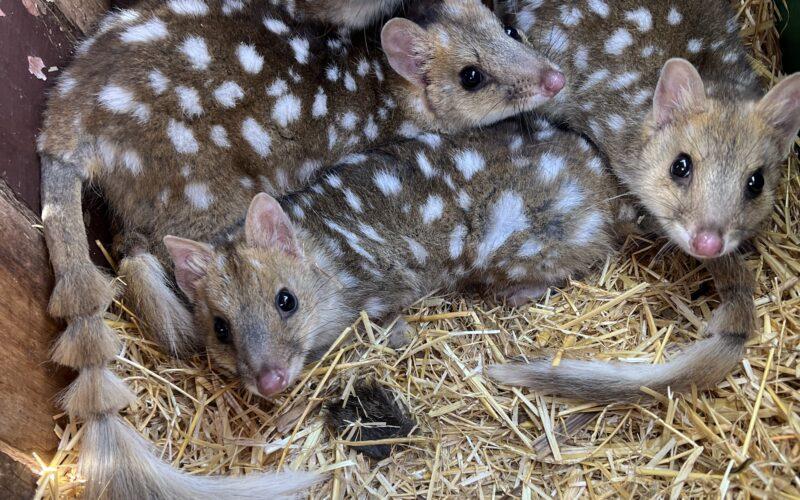
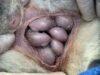
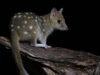
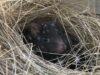
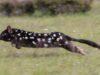
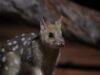
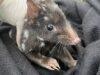
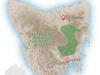
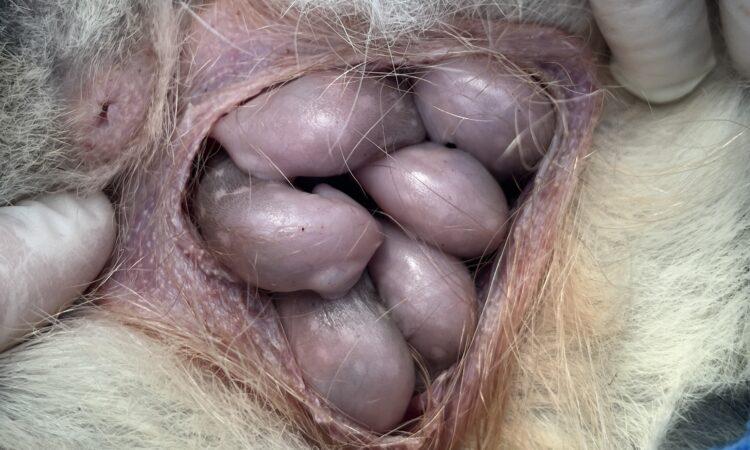
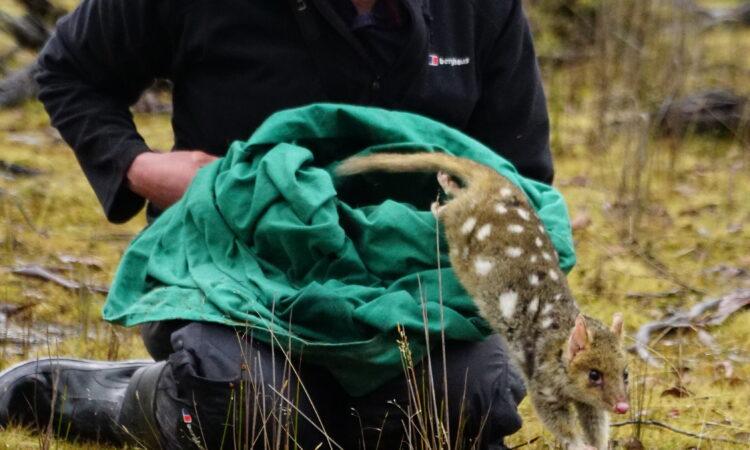
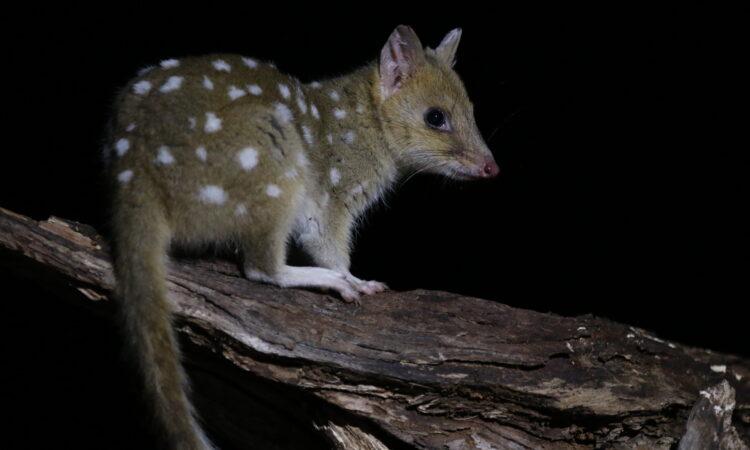
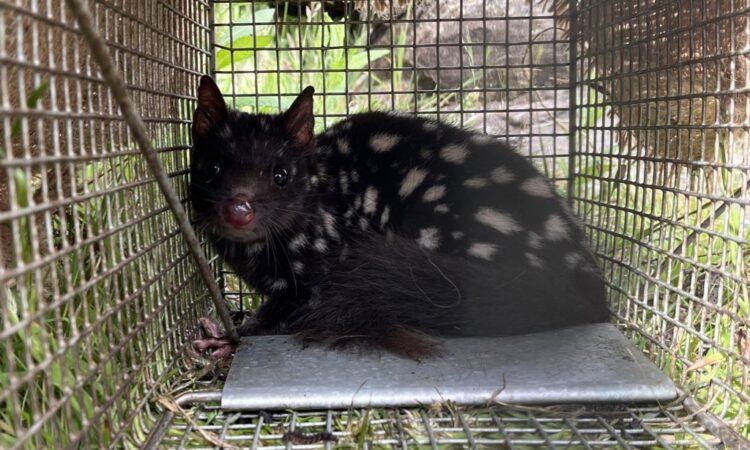
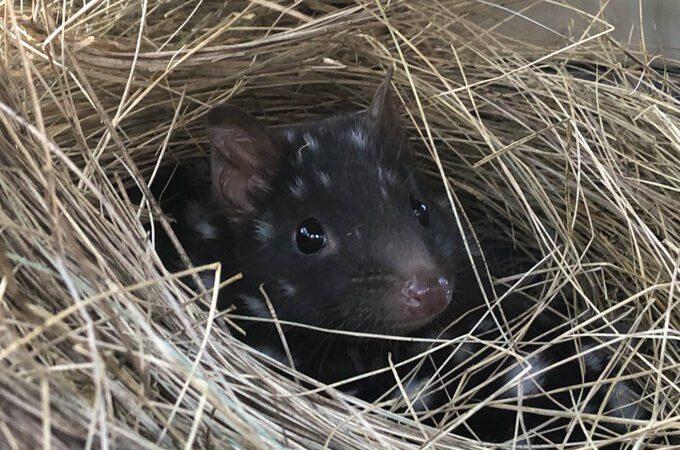
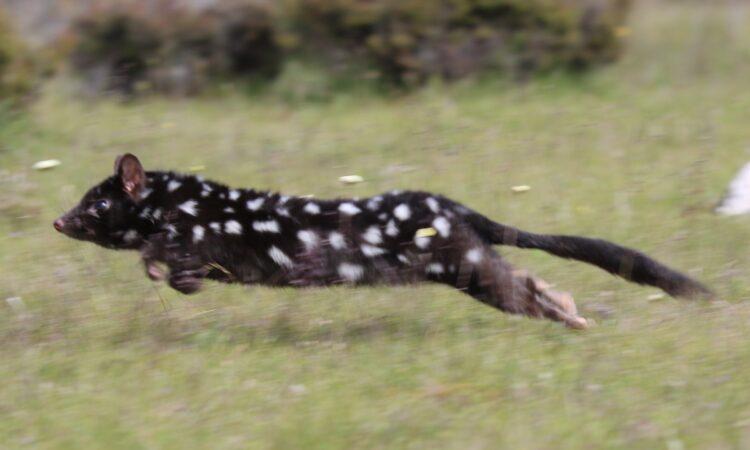
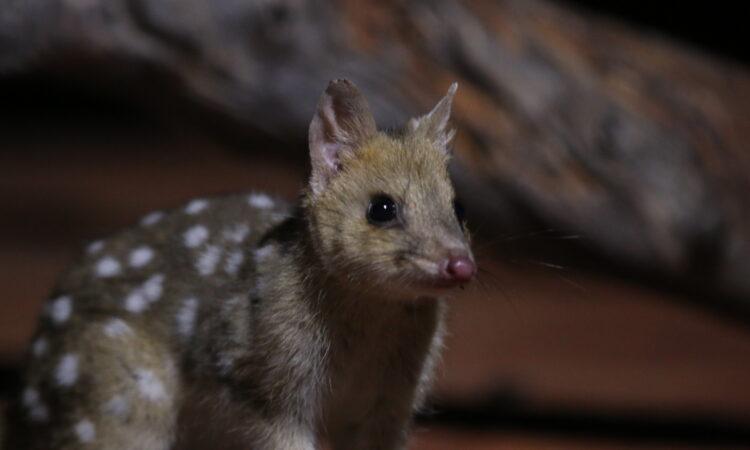
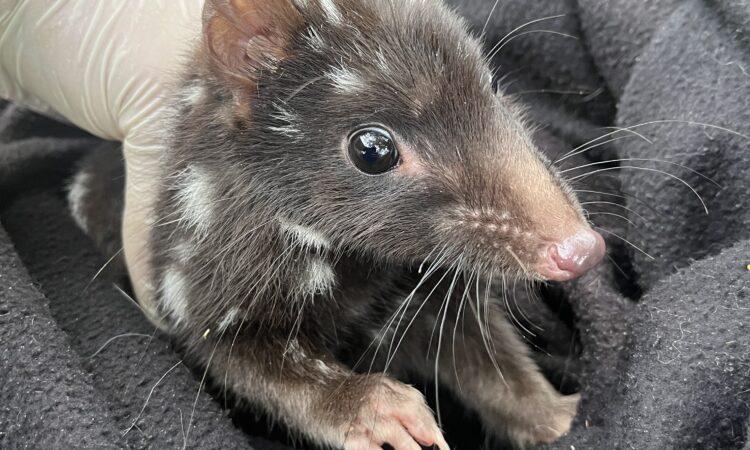
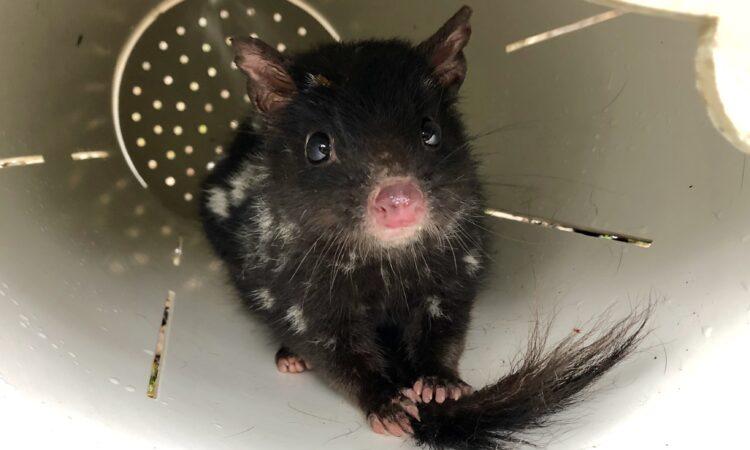
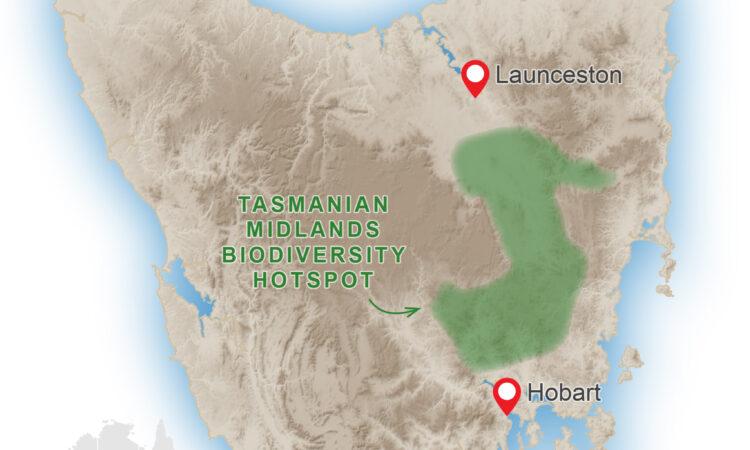
In Tasmania, researchers are using experimental translocations of eastern quolls to test how factors such as habitat, climate, predators, competitors, prey availability and release strategies influence survival, body condition and breeding success. This work will help develop practical approaches for using translocations as an early-intervention tool for species that are declining but not yet critically small.
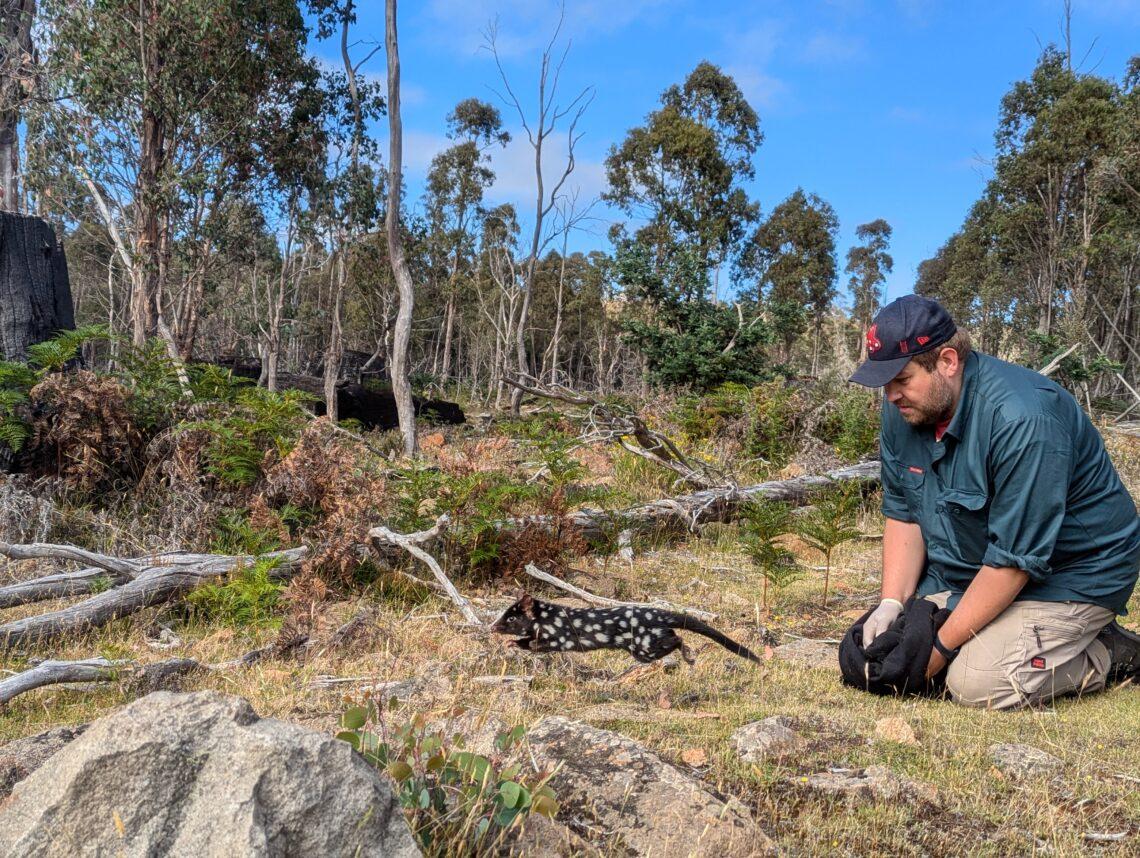
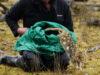
Conservation ecologist David Hamilton from the Tasmanian Land Conservancy microchips the released quolls to help with further tracking. (Photo: Cath Dickson)
In the South Australian Flinders Ranges, the project is testing rabbit warren removal as a landscape-scale restoration tool. Reducing rabbit populations may help reduce cat activity and predation risk, while allowing vegetation, soils, invertebrates and small vertebrates to recover. This work will inform how patch-scale habitat restoration can help connect habitat and support wildlife recovery across large landscapes.
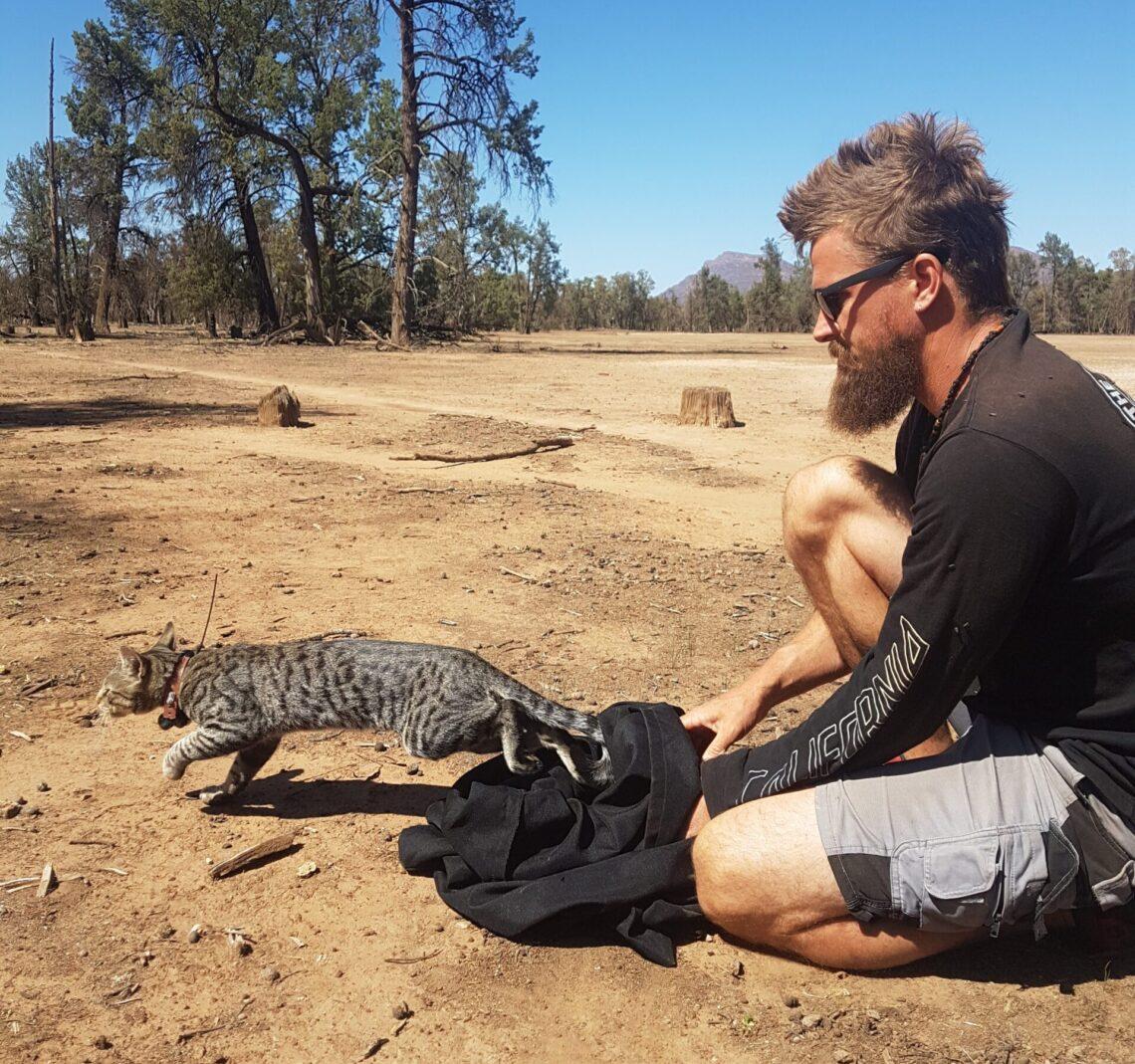
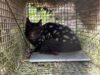
Postdoctoral researcher Dr Jeroen Jansen studying how rabbit warren removal affects cat and quoll movements and habitat connectivity. (Photo: Jiawei)
The project will produce practical frameworks, guidelines and decision-support resources to help Traditional Owners, conservation managers, private land managers and other research users diagnose local threats and design ecologically based solutions for creating safer situations for wildlife in unfenced landscapes.
Key research areas
To support threatened species recovery in large, unfenced landscapes, this project is:
Pathway to impact
This project will support threatened species recovery in unfenced landscapes by:


Project leader
The project is being led by Professor Menna Jones from the University of Tasmania. This project will contribute to 3 cross-cutting initiatives:
Contact
For further information, contact menna.jones@utas.edu.au or nesplandscapes@uwa.edu.au.
Research users
People