Rebecca Dobbs
Key Researcher
The University of Western Australia
Project start date: 01/03/2024
Project end date: 30/09/2026
NESP funding: $257,134 (GST-exclusive)
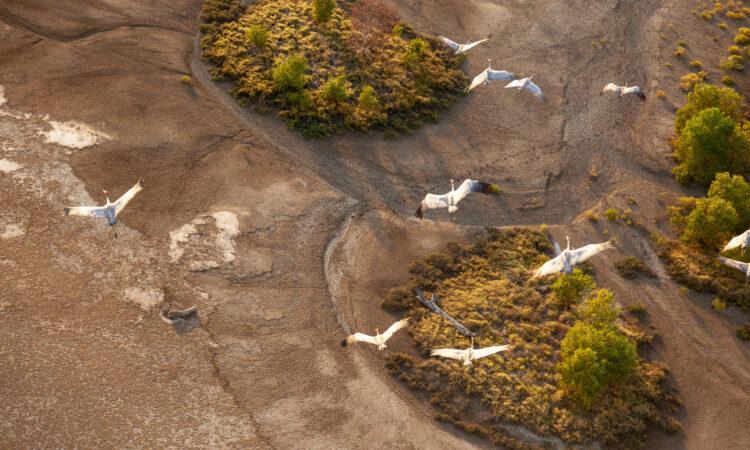
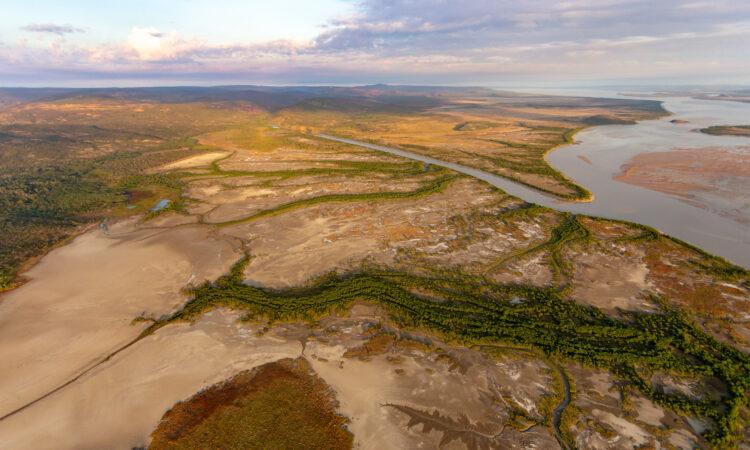
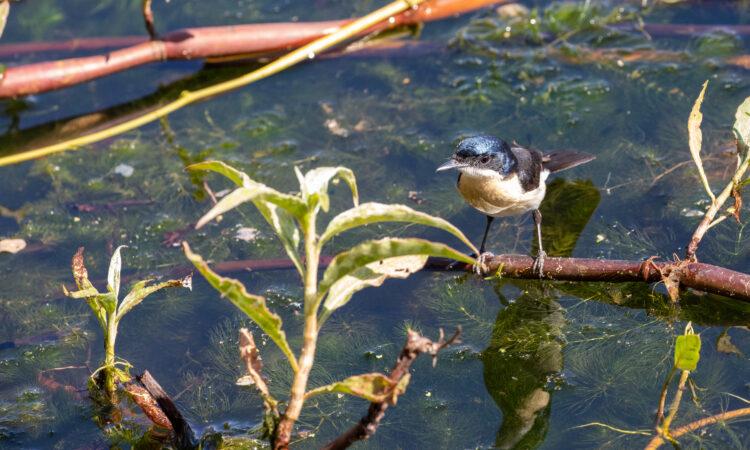
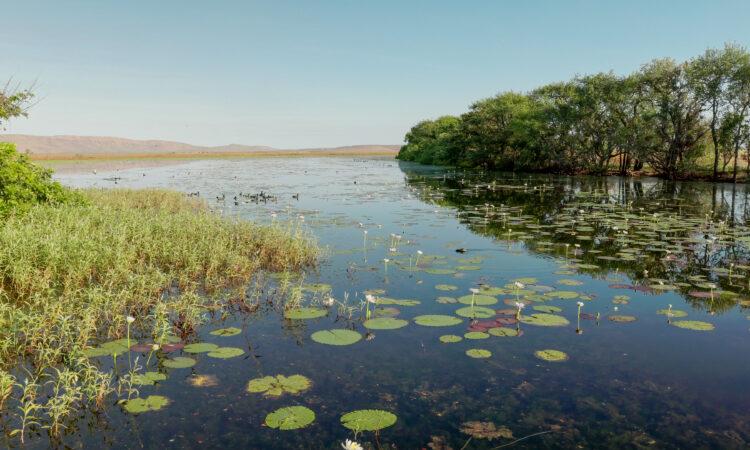
Wetlands within the Kimberley region are critical ecosystems from a conservation perspective, with their health closely tied to Traditional Owner ways of knowing, being and doing. However, Kimberley wetlands face widespread threats from increased water-development, climate change, and invasive and feral species.
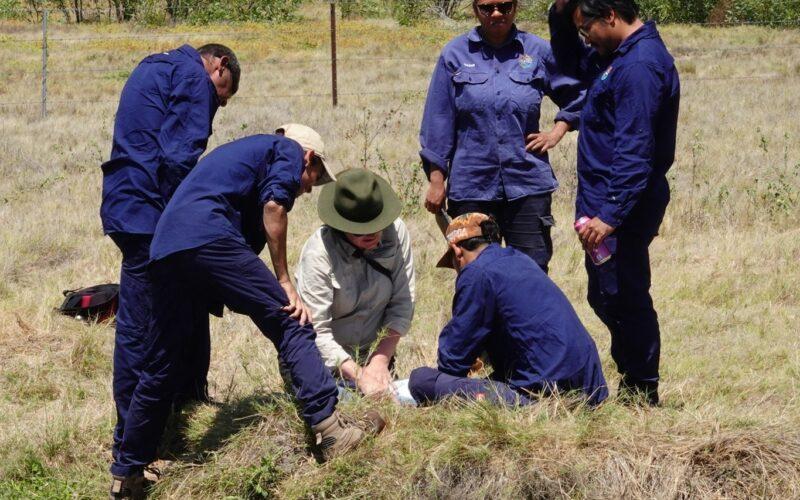
Indigenous ranger teams throughout Northern Australia protect wetlands from threats using various management actions (e.g. fencing, weeding, protective burning, monitoring, and knowledge sharing). Rangers are also challenged with measuring if these efforts are achieving their desired outcomes, that is, enhancing values or mitigating threats.
This project is creating a wetland monitoring and management toolkit to address a growing interest in monitoring methods that Indigenous rangers can use to assess wetland health and inform management. The toolkit aims to empower Indigenous rangers, Traditional Owners, and Elders to plan, implement and evaluate wetland monitoring projects within the context of their Healthy Country Plans.
Co-designed with Kimberley Indigenous ranger groups, the toolkit is founded on Indigenous aspirations for wetlands and draws upon Aboriginal and scientific knowledge in a multiple evidence-based approach.
This project is a collaboration between The University of Western Australia, Environs Kimberley, the peak environmental non-government organisation for the Kimberley, and Kimberley Indigenous Ranger teams.
Focusing on the Kimberley region as a case study, the project is consolidating over a decade of research and collaborations between UWA, Environs Kimberley and Indigenous ranger teams, with learnings for the broader community, government agencies and natural resource management groups.
Key research areas
To develop an Indigenous wetland monitoring and management toolkit, this project is:
The Toolkit
By showcasing the experiences of Kimberley Indigenous ranger teams, the toolkit will:
By sharing how Kimberley rangers have conducted adaptive wetland management and monitoring, the toolkit will support stronger, Indigenous-led wetland management across the Kimberley and beyond.
Pathway to impact
This project will strengthen Indigenous-led wetland management in northern Australia by:

Project leader
The project is being co-led by Rebecca Dobbs (University of Western Australia) and Michelle Pyke (UWA, Environs Kimberley).
Project partners
This project is a joint partnership between The University of Western Australia and Environs Kimberley, in collaboration with Kimberley Indigenous Rangers.
Contact
For further information, contact rebecca.dobbs@uwa.edu.au, michelle.pyke@uwa.edu.au, or nesplandscapes@uwa.edu.au.
Research users
People