
3 February 2026
Experts in feral cat management expect only a limited number of control tool combinations to reduce cat numbers are enough to protect native wildlife according to a new study.
Working with 24 experienced land managers, scientists and policymakers, the research published in the journal Pest Management Science assessed 864 combinations of feral cat control methods, environmental conditions and bait types to determine which strategies are most likely to cause sustained population decline.
Led by Dr Annalie Dorph and Associate Professor Guy Ballard from the University of New England, the National Environmental Science Program Resilient Landscapes Hub project found only 71 scenarios were expected to achieve the population reduction needed for long-term decline in feral cat numbers, with success strongly dependent on how, where and when control is applied.
The study found that:
This study forms part of a broader project developing an online decision-support tool for land managers, designed to help users explore how different control options are likely to perform under local environmental conditions.
By combining expert knowledge with advanced modelling (Figure 1), the research provides a practical foundation for this tool and offers clear guidance to help managers assess whether planned programs are likely to succeed before investing significant time and resources.
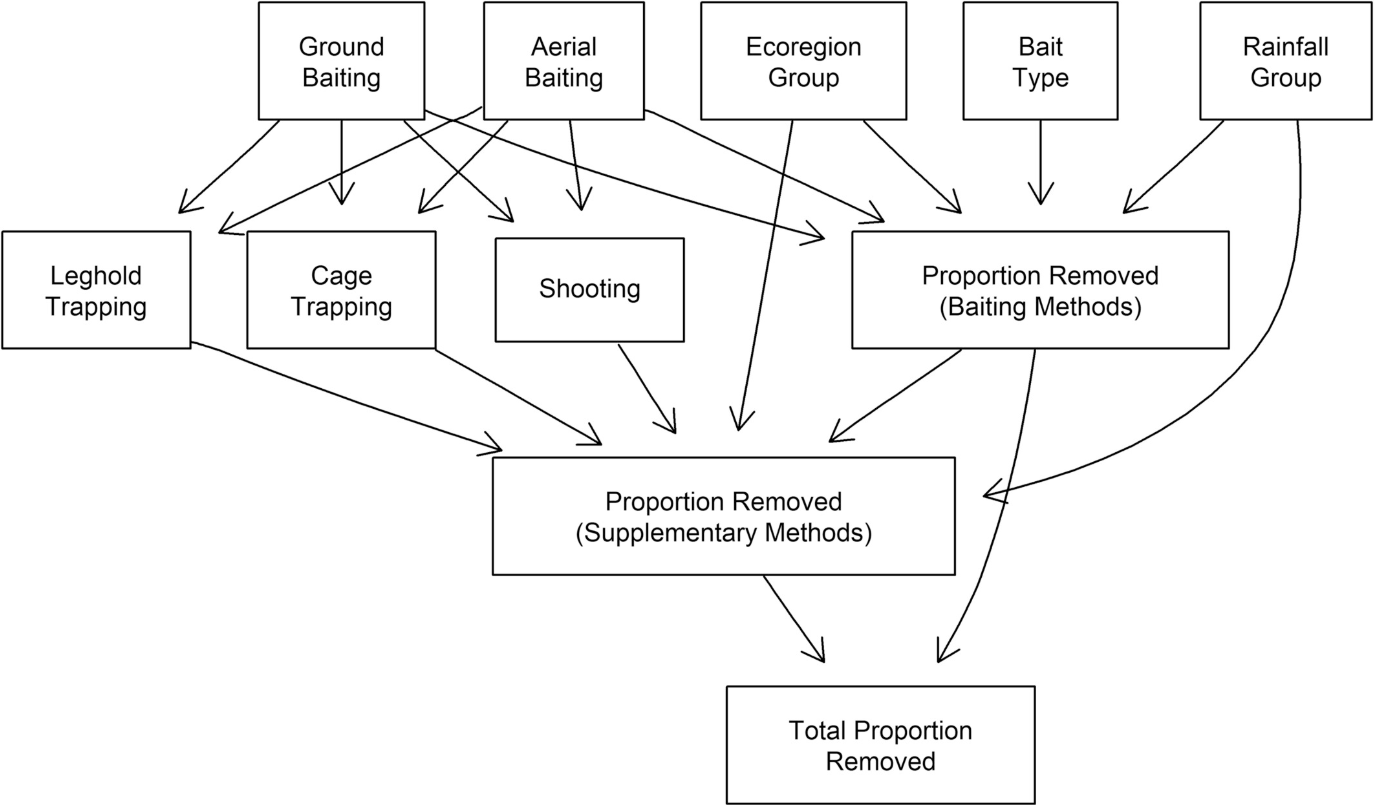
Figure 1. Structure of the Bayesian Network used to predict feral cat management outcomes.
The researchers caution that one-off control efforts are rarely sufficient. Sustained, adaptive management – informed by local conditions and realistic expectations – will be essential to achieving long-term conservation outcomes.
The National Environmental Science Program Resilient Landscapes Hub is funded by the Australian Government to support research that strengthens the resilience and sustainability of Australia’s terrestrial and freshwater ecosystems.
Want to know more about the Resilient Landscapes Hub's activities and our research into practical solutions to environmental problems? Stay informed about activities, research, publications, events and more through the Hub newsletter.
"*" indicates required fields