1 April 2026
Researchers have confirmed Mary River cod spawning in an artificial nesting log in the wild, offering promising early evidence that these structures could help restore lost breeding habitat for the endangered species.
Published in Aquatic Conservation: Marine and Freshwater Ecosystems, the study trialled 24 artificial hollow log structures across six river sites in south-east Queensland during the 2024 breeding season. Mary River cod used both artificial log designs, with researchers confirming one spawning event in an artificial log.
The findings offer encouraging early evidence that artificial structures made from natural materials could help support recovery of the threatened fish species, which has lost much of its breeding habitat through river degradation, removal of large woody habitat and extreme flood events. Mary River cod is listed as endangered and is now confined to just five coastal river systems in eastern Australia.
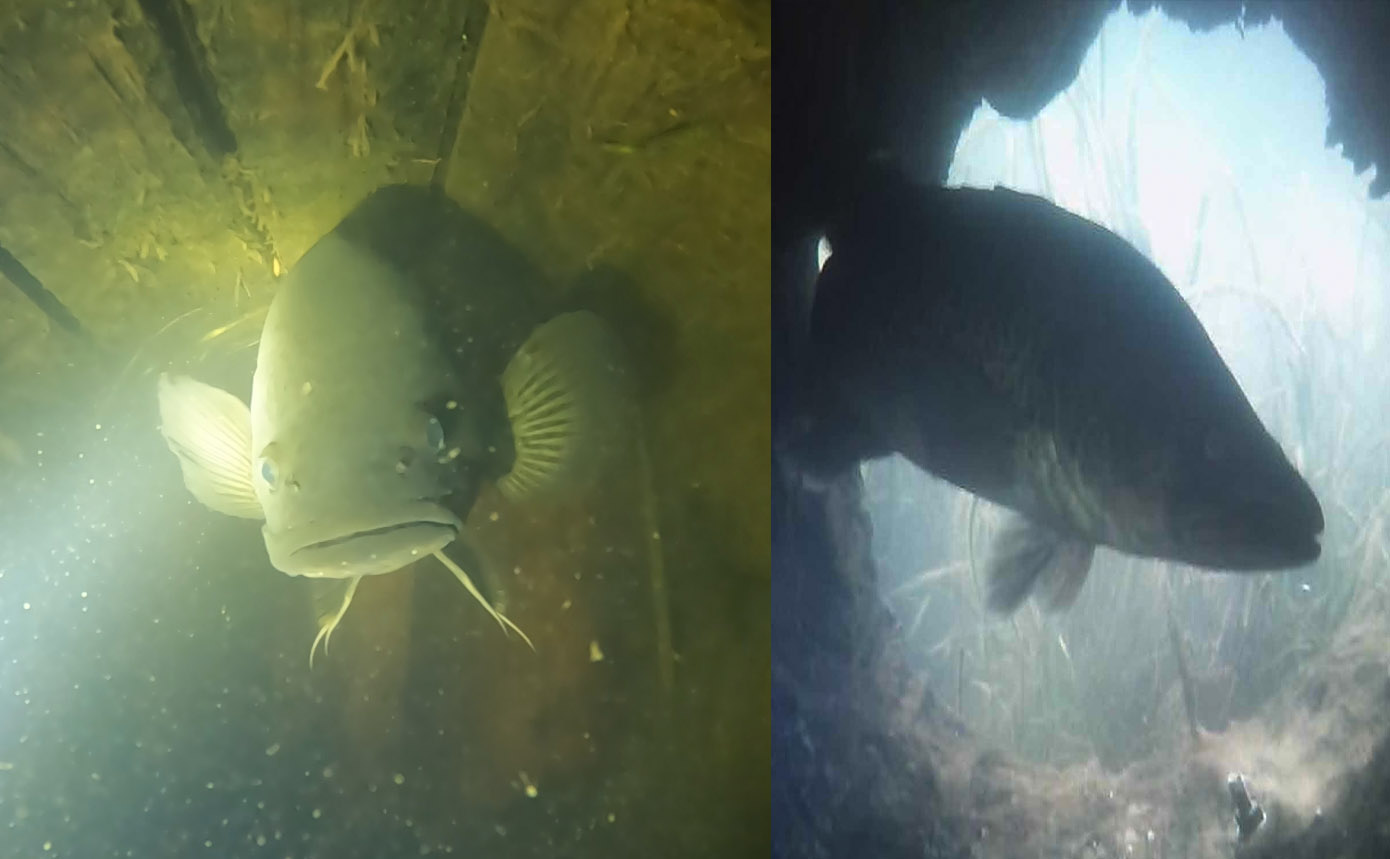
Cod using the artificial log habitats. Photo: Nathaniel Larsen, MRCCC.
Lead author Dr Luke Carpenter-Bundhoo of Griffith University said the results show artificial nesting habitat could become a practical new tool for freshwater conservation.
“Seeing Mary River cod use these artificial logs, and confirming a spawning event in one of them, is a really promising result,” Dr Carpenter-Bundhoo said. “This shows artificial nesting habitats could help supplement degraded or missing natural breeding habitat, particularly in river systems where large hollow logs and other complex structures have been lost.”
Each artificial log was made from dried hardwood native to the catchment, hollowed and reassembled to create a sheltered nesting cavity. The structures were installed in July 2024 at sites known to support cod but with limited natural nesting habitat, then monitored weekly through the peak breeding season from August to October.
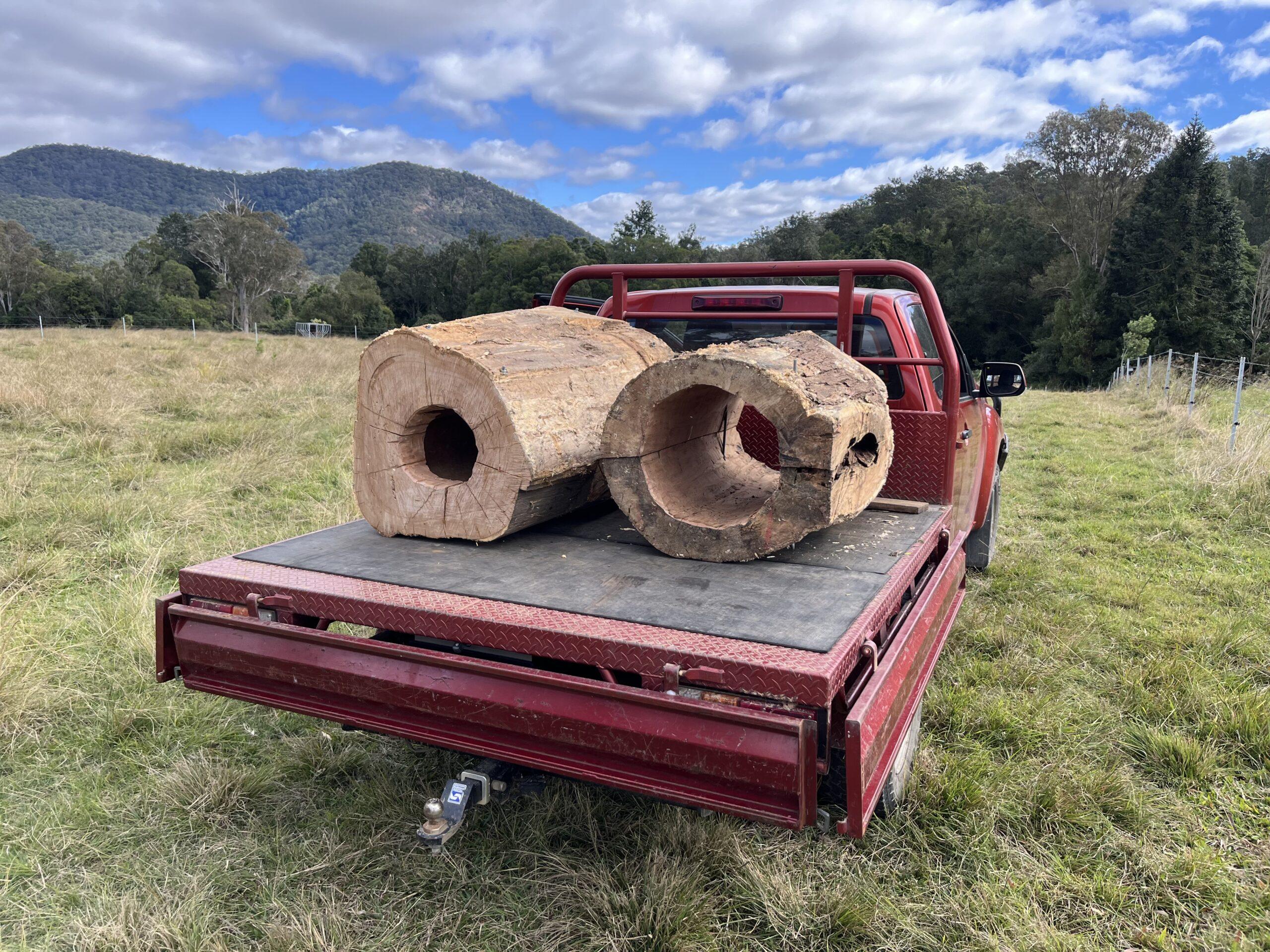
Artificial hollow logs made from native hardwood were trialled as nesting habitat for Mary River cod. Photo: Nathanial Larsen, MRCCC.
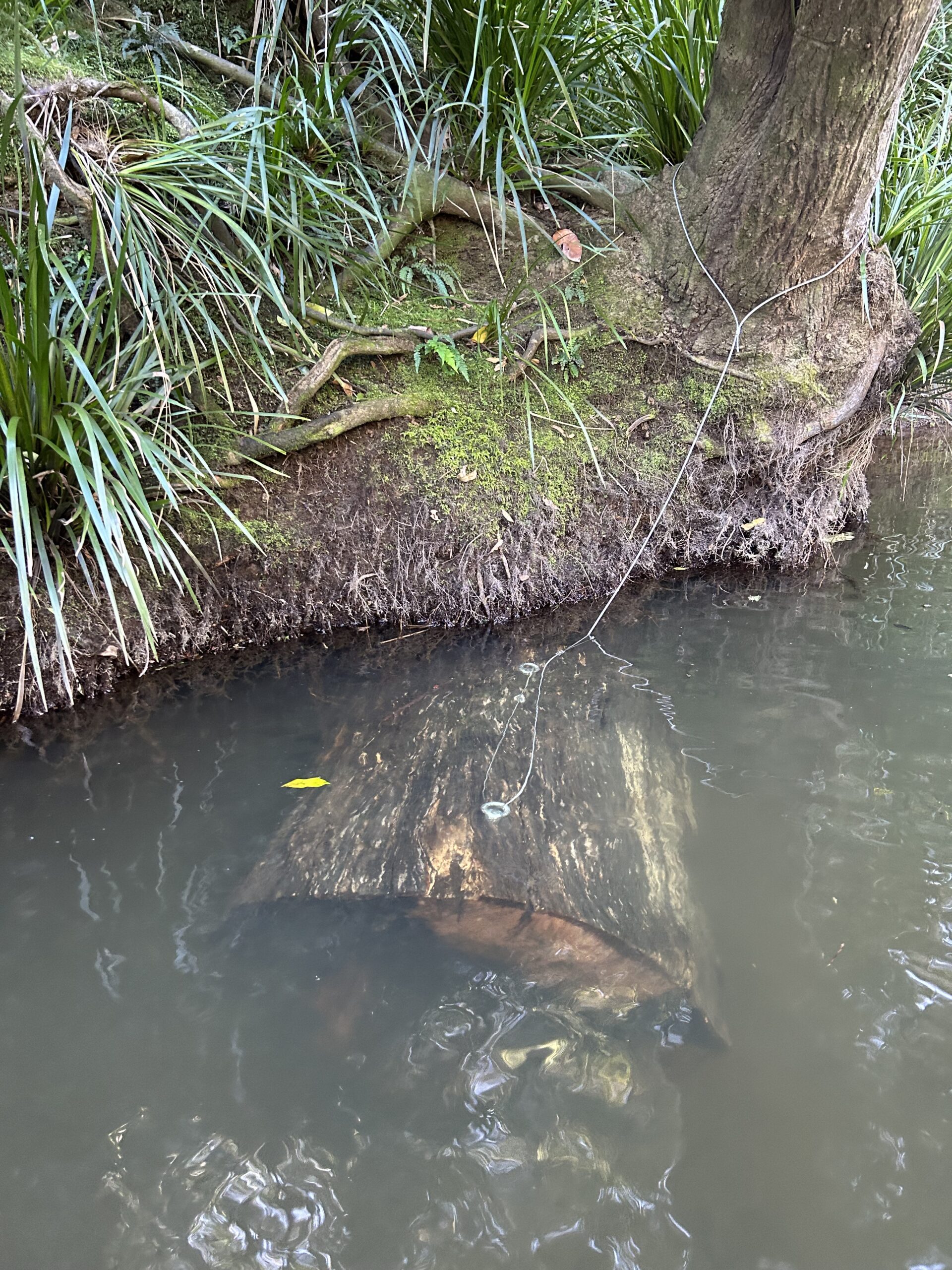
An artificial nesting log installed in the river as part of the Mary River cod habitat trial. Photo: Caitlin Jones, BMRG.
Researchers observed adult cod using two open logs and four blind logs, while natural structures still recorded more spawning activity overall. The study notes that natural habitat remains critically important, but artificial structures may help provide additional breeding opportunities where habitat has been reduced.
The structures also supported a range of other vertebrate species, suggesting they may offer broader biodiversity benefits as multifunctional refuges in freshwater systems.
Researchers say the artificial logs are not a replacement for broader river and riparian restoration but could become a cost-effective addition to recovery efforts where natural breeding habitat has been lost or degraded. The paper notes the structures are cheaper and easier to deploy than some other habitat restoration options, while also using biodegradable natural materials.
The research is part of the NESP Resilient Landscapes Hub Mary River project, which is helping improve understanding of Mary River cod ecology and support recovery of this iconic threatened freshwater species.
The study concludes that with further testing and refinement, artificial nesting structures could become an important conservation tool for Mary River cod and other large freshwater species that rely on complex habitat to breed.
The project was delivered in partnership with the Mary River Catchment Coordinating Committee (MRCCC), Burnett-Mary Regional Group (BMRG), New South Wales Department of Primary Industries (Fisheries), Queensland Department of the Environment, Tourism, Science and Innovation (DETSI), Jinibara Peoples Aboriginal Corporation, and Kabi Kabi Peoples Aboriginal Corporation, whose collaboration helped support the field research and broader recovery effort.
The National Environmental Science Program Resilient Landscapes Hub is funded by the Australian Government to support research that strengthens the resilience and sustainability of Australia’s terrestrial and freshwater ecosystems. The style and structure of this draft were based on the attached example news story.
Want to know more about the Resilient Landscapes Hub's activities and our research into practical solutions to environmental problems? Stay informed about activities, research, publications, events and more through the Hub newsletter.
"*" indicates required fields