17 June 2026
Floodplain wetlands are vital for wildlife, water quality and healthy rivers, and there are lessons Australia’s restoration efforts could learn from global experience according to researchers.
A new global review, supported through the National Environmental Science Program Resilient Landscapes Hub’s freshwater fish project, has found that wetland restoration is increasing globally, but future projects need clearer goals, targeted monitoring and novel techniques to combat new challenges.
The study, published in Restoration Ecology, reviewed research on floodplain wetland restoration and rehabilitation from 1985 to 2023 across all continents.
The researchers found that while many studies reported successful or partially successful outcomes, failures were likely underreported, making it difficult for practitioners to learn from what works, what does not, and why.
Lead author Dr Sally Maxwell from La Trobe University said clear goals were essential.
“Establishing clear goals, identifying appropriate indicators, trialling new techniques in combination and reporting failures as well as successes will help improve future restoration practice,” Dr Maxwell said.
Floodplain wetlands support plants, fish, birds, frogs, reptiles and invertebrates. They also help regulate floods, filter water, recycle nutrients and provide important cultural and recreational values but many are under pressure from water extraction, habitat damage, invasive species and climate change. Without appropriate restoration techniques, species which rely on wetland habitats are likely to decline.
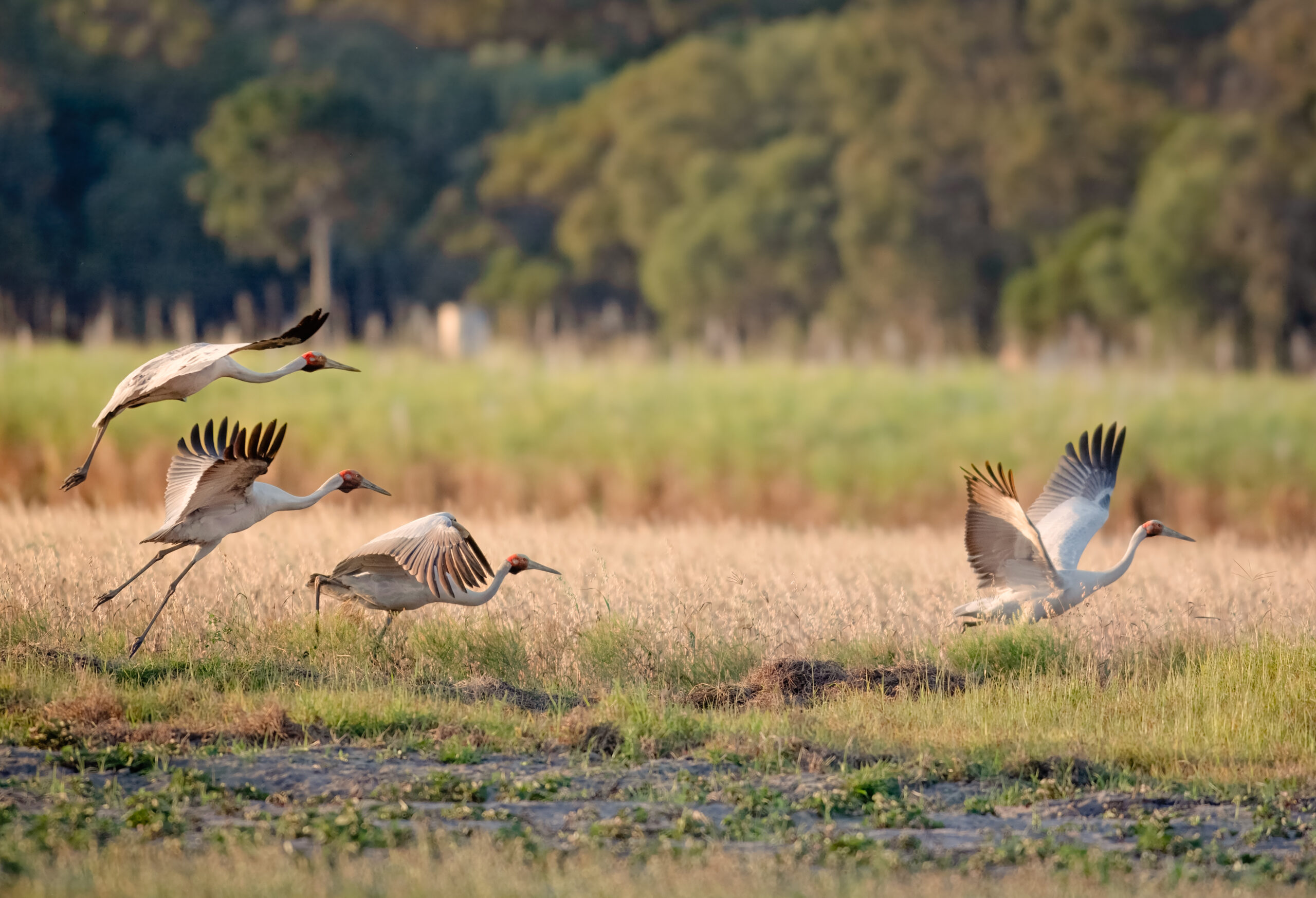
Floodplain wetlands support fish, birds, plants and other wildlife, while helping to regulate water quality and river health. Photo: Cynthia / Adobe Stock.
The review found revegetation was the most common restoration method used globally. Other approaches included restoring water flows, improving water quality, managing invasive species, reshaping channels and wetland landforms, and reintroducing species.
However, the types of restoration used varied across the world. Geomorphic restoration, which can include reshaping river channels, reconnecting wetlands to flows, removing barriers or improving water retention, was less commonly reported in Oceania than in Europe and North America.
The authors suggest this could be an important area for future learning, particularly in drying climates where wetlands need support to hold water for longer.
The study also found vegetation was the most common way to measure restoration success. Habitat, sediment and water quality were also commonly used. In Oceania, fish were used as restoration indicators more often than in other regions.
There is no one-size-fits-all solution.
“Floodplain wetlands are under increasing pressure, and there is no single restoration method that will work everywhere,” Dr Maxwell said. “What this review shows is that restoration can be strengthened by learning from global experience, choosing methods that match local conditions, and monitoring outcomes over meaningful timeframes.”
The authors conclude that future wetland restoration will be stronger when projects set realistic goals, choose the right indicators, monitor over suitable timeframes, and report failures as well as successes.
The National Environmental Science Program Resilient Landscapes Hub is funded by the Australian Government to support research that strengthens the resilience and sustainability of Australia’s terrestrial and freshwater ecosystems.
Want to know more about the Resilient Landscapes Hub's activities and our research into practical solutions to environmental problems? Stay informed about activities, research, publications, events and more through the Hub newsletter.
"*" indicates required fields