Nick Bond
Key Researcher
La Trobe University

Project start date: 01/04/2023
Project end date: 30/06/2027
NESP funding: $600,000 (GST-exclusive)
Native freshwater fish are facing a range of threats – particularly from climate change, altered water regimes, habitat degradation and invasive species. Many species are at risk of extinction, and informed, evidence-based decisions are needed to manage these threats now and into the future. This project is working closely with river and waterway managers to develop principles and approaches for managing and protecting freshwater fish biodiversity across Victoria.
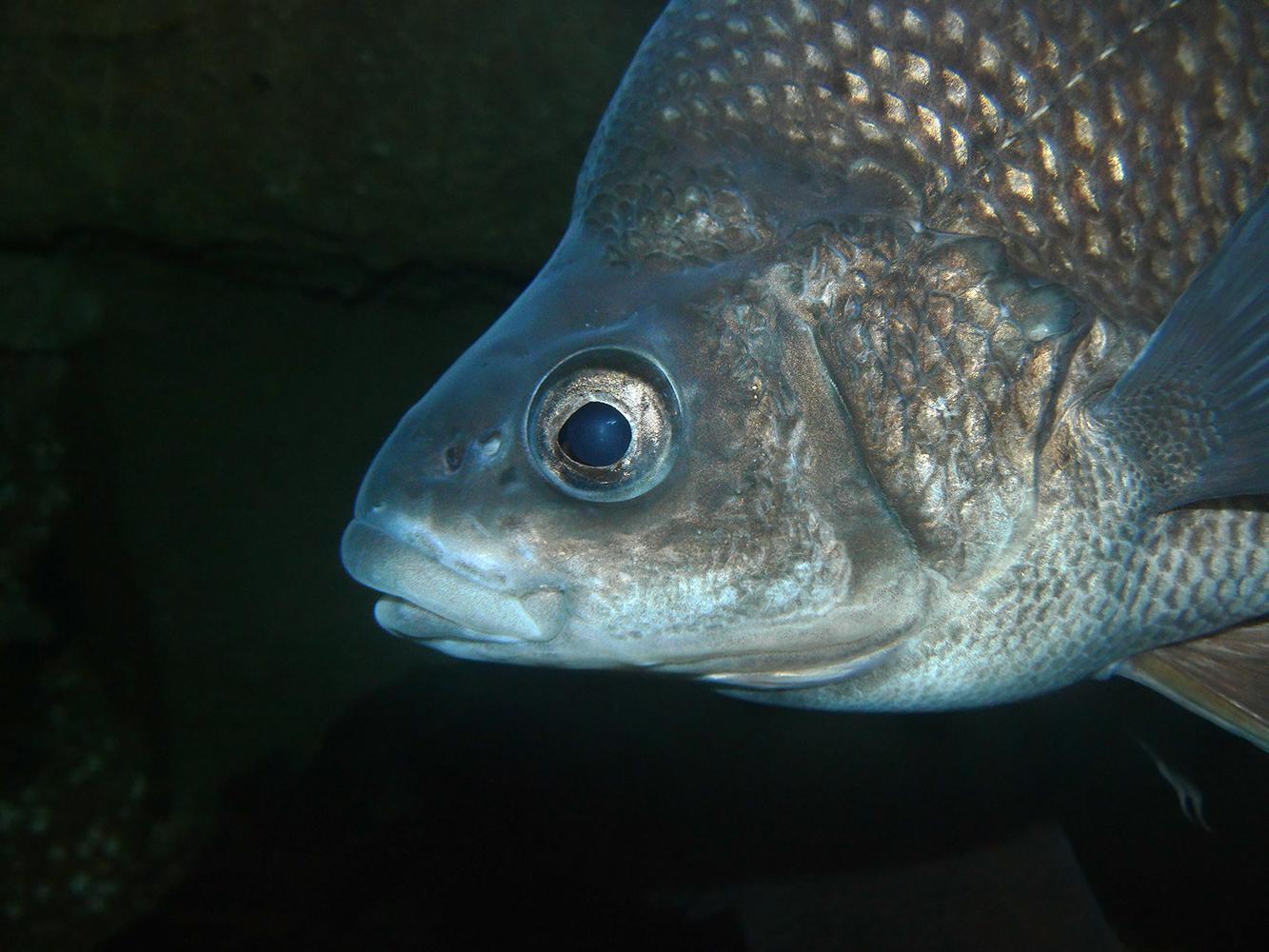
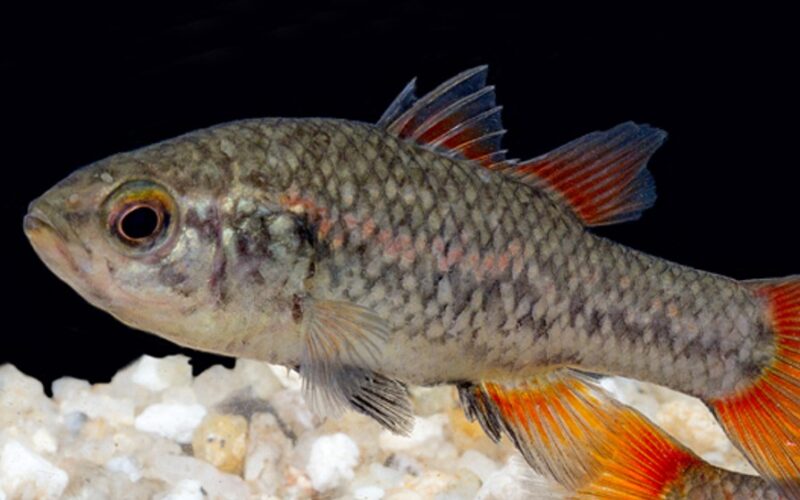
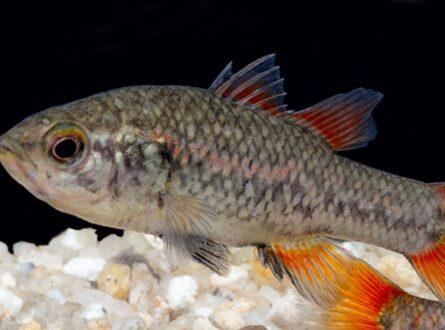
The Macquarie perch is an endangered freshwater fish native to the Murray-Darling River system, including in Victoria. Photo: BenjaminT444 / CC BY-SA 3.0.
Research from the project is improving our understanding of how floodplain fish communities respond to environmental change, how they can be monitored more effectively, and the approaches that can support successful wetland restoration.
We’re taking a strategic approach to identify cost-effective management actions for freshwater fish. The project is building knowledge of where fish occur, the environmental conditions and threats that shape their distributions, how they can be effectively monitored, and which management and restoration actions can best support their persistence.
The research complements the work of Victoria’s Department of Energy, Environment and Climate Action and waterway managers, including development of the new Victorian Waterway Management Strategy and regional waterway planning.
Key research areas
To equip waterway managers and policy-makers with up-to-date evidence, this project is:
Pathway to impact
This project will support the management of threatened freshwater fish by:
Scientific Paper
August 2026 | Open Access
Landscape and Hydro-Climatic Drivers of Fish Communities in Floodplain Wetlands
González-Murcia, S., S. Lewis, S. Maxwell, L. McPhan, M. Shackleton, and N. Bond. 2026. “ Landscape and Hydro-Climatic Drivers of Fish Communities in Floodplain Wetlands.” Freshwater Biology 71, no. 8: e70293. https://doi.org/10.1111/fwb.70293.
Scientific Paper
August 2026 | Open Access
Catch Me If You Can: Assessing Sampling Techniques for Threatened Floodplain Wetland Fish
Lewis, S., Maxwell, S., Shackleton, M., et al. 2026. “ Catch Me If You Can: Assessing Sampling Techniques for Threatened Floodplain Wetland Fish.” Aquatic Conservation: Marine and Freshwater Ecosystems 36, no. 7: e70433. https://doi.org/10.1002/aqc.70433.
Scientific Paper
June 2026 | Open Access
Restoration and rehabilitation of floodplain wetlands: a systematic, global review of restoration options and their outcomes
Maxwell, S., Murcia, S.G., Lewis, S., Shackleton, M. and Bond, N. (2026), Restoration and rehabilitation of floodplain wetlands: a systematic, global review of restoration options and their outcomes. Restor Ecol e70458. https://doi.org/10.1111/rec.70458
Report
November 2024
Resilient Landscapes Hub 2023 Annual Progress Report
Report
June 2023
Resilient Landscapes Hub 2022 Annual Progress Report
Project leaders
The project is being led by Professor Nick Bond of La Trobe University. This project will contribute to 2 cross-cutting initiatives:
This project will address critical research needs for 5 targets of the Australian Threatened species action plan 2022–2032.
Contact
For further information, contact n.bond@latrobe.edu.au or nesplandscapes@uwa.edu.au.
Research users
People
Key Researcher
DEECA (Victorian Government)
Research Executive Committee and Eastern Node Leader
Griffith University