18 August 2026
Australia’s conservation fences have become a powerful tool in the fight against extinction, helping protect threatened mammals such as bilbies and bettongs from invasive predators but new research reveals protecting many of Australia’s other threatened animals — including frogs, reptiles, birds and invertebrates — requires a different approach.
The National Environmental Science Program (NESP) Resilient Landscapes Hub study published in Biological Conservation has mapped a pathway to expand Australia’s safe haven network to better protect 123 threatened non-mammal native animals that are susceptible to introduced species ranging from animals to pathogens and plants.
The research found that current mainland fenced protection areas, which were largely designed to exclude feral cats and foxes, provide very limited protection for non-mammal species. Only two of the 123 species assessed — the great desert skink and the western swamp tortoise — are known to occur in existing large, fenced havens, while only a few frogs and fish have small, species-specific havens.
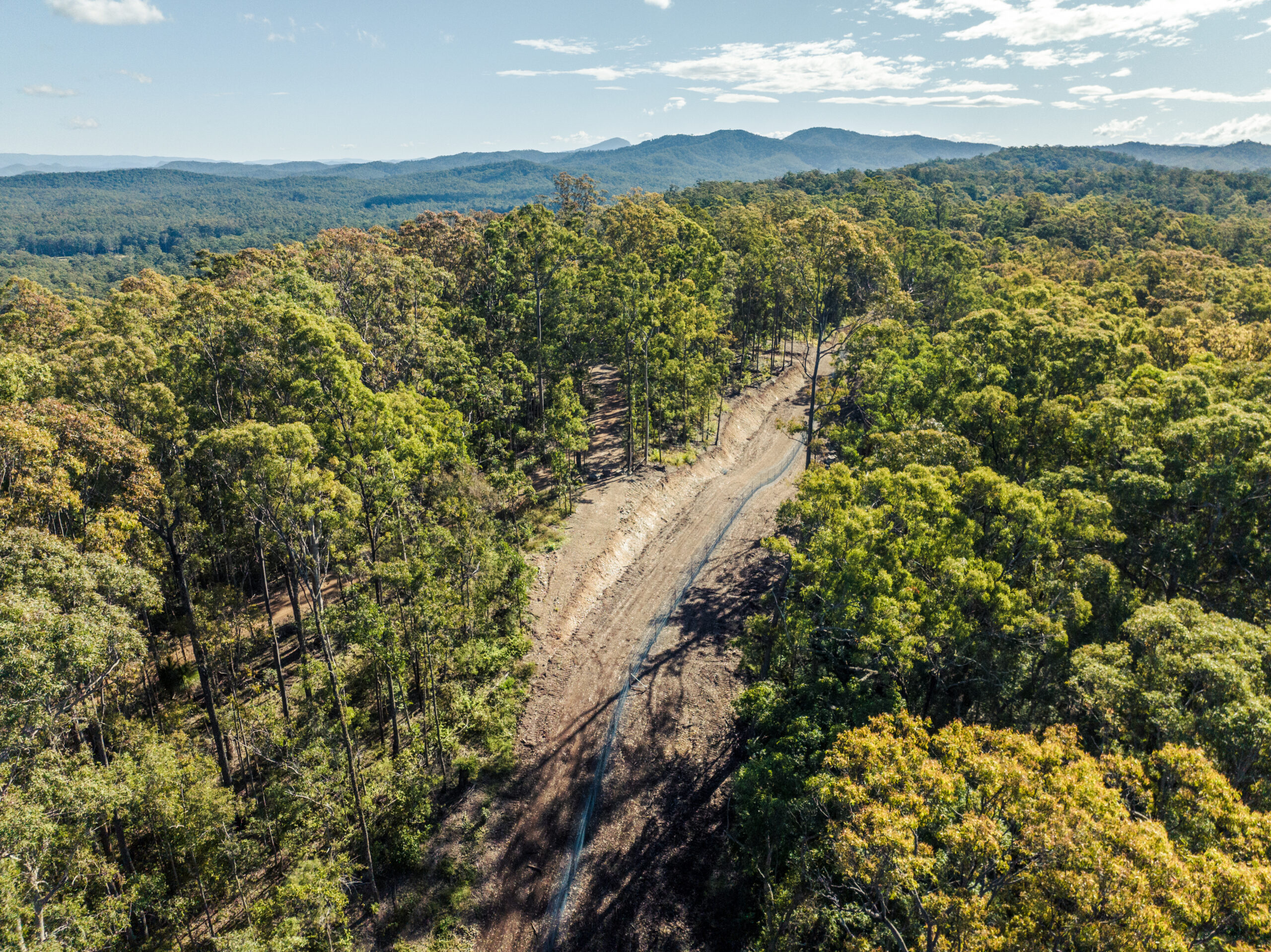
Aerial view of the Ngambaa fence. Photo: Daniel Parsons.
“Conservation fencing provides real benefits for many species in Australia but they have substantial financial and ecological costs as well, so we really need to maximise their benefits,” project leader University of Newcastle Professor Matt Hayward said.
Using species distribution models and future climate projections, the researchers identified priority locations where new or adapted safe havens could protect multiple species into the future.
The findings show however, there is no single solution for protecting Australia’s diverse wildlife.
The study provides examples where the northern corroboree frog could benefit from targeted havens that exclude feral pigs from its fragile alpine habitats.
In contrast, species such as the green and golden bell frog are threatened by a combination of chytrid fungus and invasive aquatic species, requiring different management approaches such as building safe haven plateaus. Safe haven plateaus use natural geographical features or strategic elevations that are free from invasive predators, providing long-term refuges for species to recover.
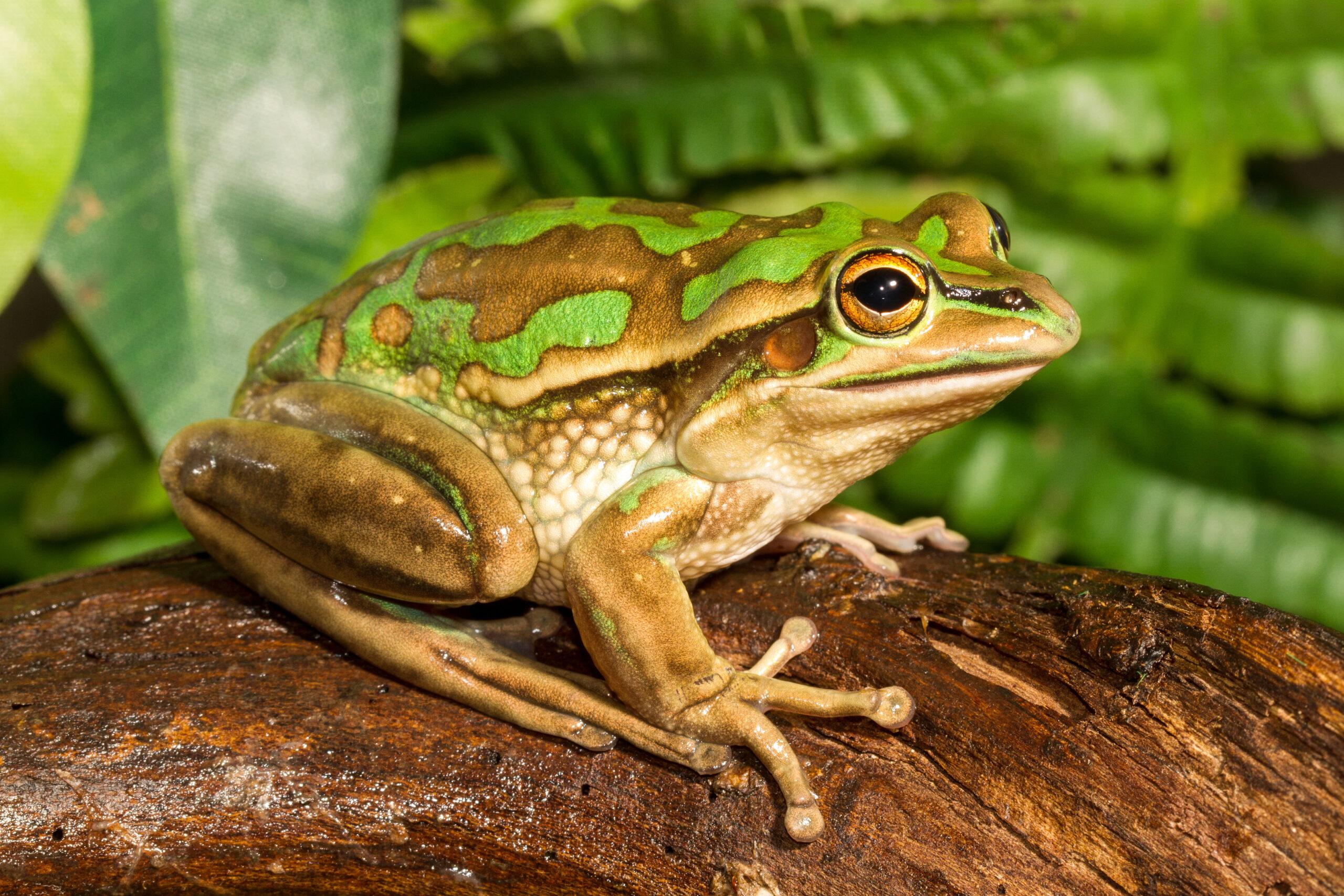
The green and golden bell frog is threatened by both invasive fish and a deadly fungus. Photo: Ken Griffiths / Adobe Stock.
The research also identified opportunities for species such as the swift parrot, where future suitable habitat occurs near existing safe havens, creating opportunities to adapt or expand current conservation efforts.
The research concludes that future safe havens must be designed around the specific threats affecting each species. While traditional fences remain effective against large terrestrial pests such as cats, foxes and pigs, other threats including rats, invasive plants, pathogens and aquatic pests may require different approaches, including finer-scale barriers, natural refuges such as isolated waterways and islands, or targeted management of pests.
Priority areas for future safe havens were identified across eastern Australia, including the Victorian Alps, New South Wales and Queensland, as well as Tasmania and other regions where threatened species are concentrated.
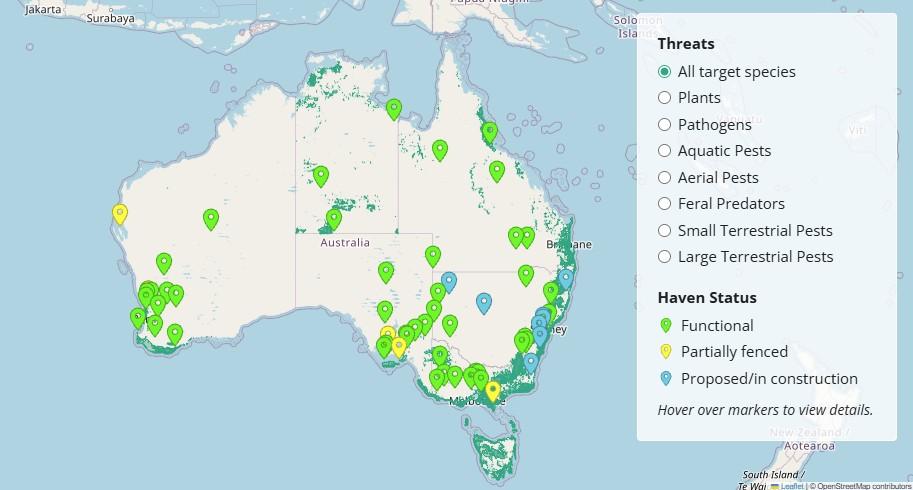
Priority areas identified for expanding Australia’s safe haven network under different pest and threat scenarios. NESP Resilient Landscapes Hub.
“Safe havens are not the end point of conservation — but they do buy us time to keep native species in the wild,” lead author University of Newcastle Dr John Gould said. “By protecting species while we tackle the broader threats across the landscape, we can prevent extinctions and create opportunities for wildlife recovery.”
The study provides a blueprint for a new generation of climate-ready safe havens — moving beyond protecting only mammals and ensuring Australia’s lesser-known species, from tiny insects to endangered frogs and birds, have a fighting chance for survival.
This research was supported by the Australian Government’s National Environmental Science Program Resilient Landscapes Hub, which delivers applied environmental science to support evidence-based decision making and improved conservation outcomes.
Want to know more about the Resilient Landscapes Hub's activities and our research into practical solutions to environmental problems? Stay informed about activities, research, publications, events and more through the Hub newsletter.
"*" indicates required fields