Michael Douglas
Hub Leader
The University of Western Australia
Keywords: Kakadu, KNP, national park, Kakadu National Park, Indigenous rangers, Indigenous Natural Resource management, Indigenous NRM, ICNRM, Indigenous cultural and natural resource management, Bininj and Mungguy, Bininj/Mungguy, Bininj Mungguy, Traditional Owners, living cultural landscape, Indigenous land and sea management programs, Worl Heritage, World Heritage site, traditional resources, Parks Australia, Indigenous ecological knowledge, Park Management, Northern Territory
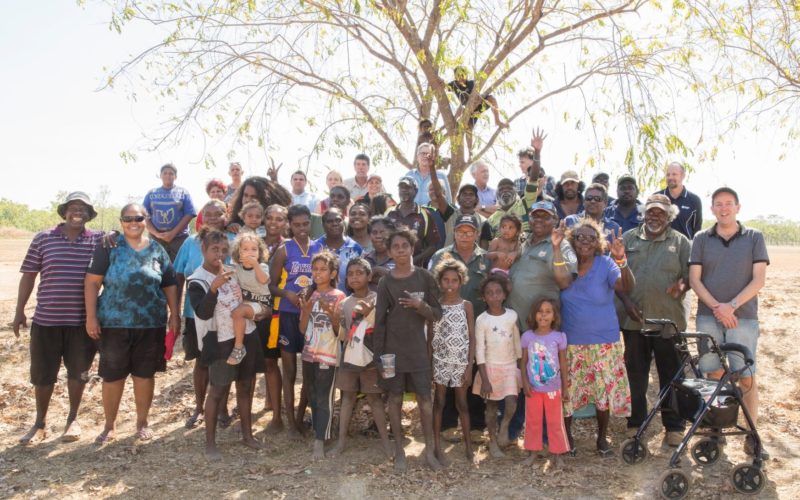
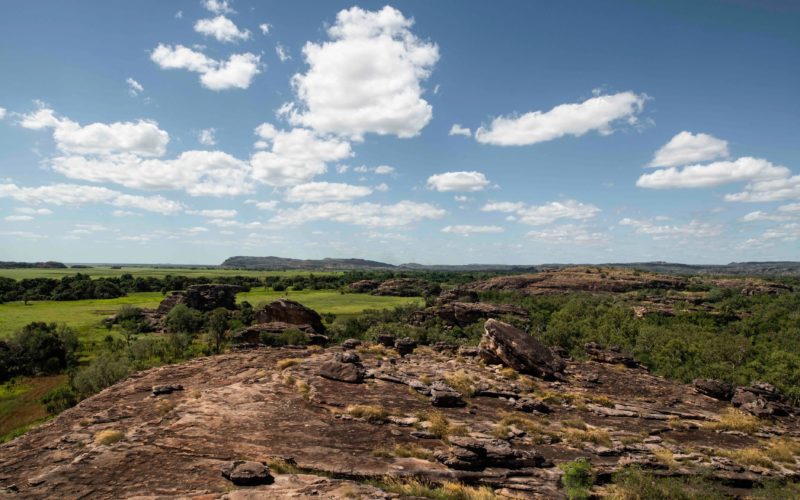
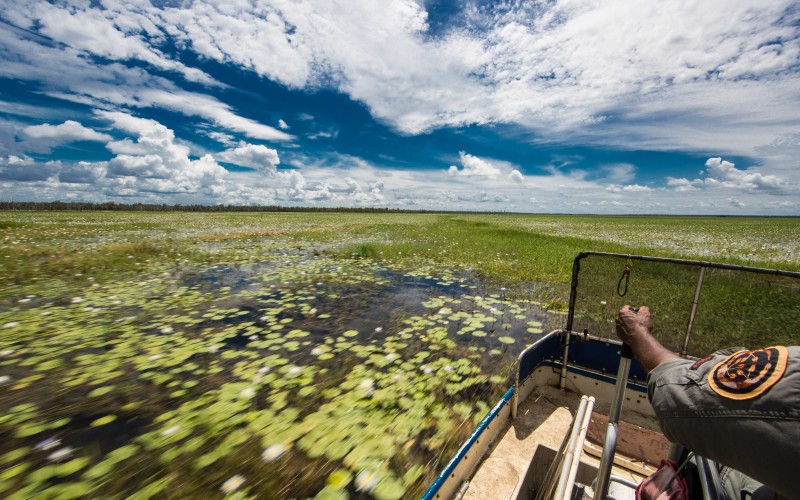
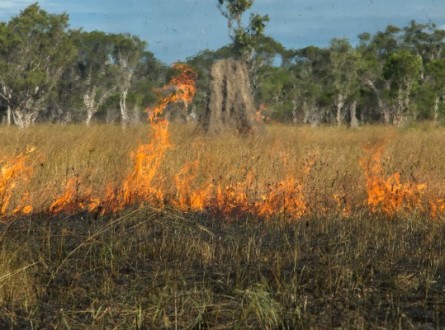
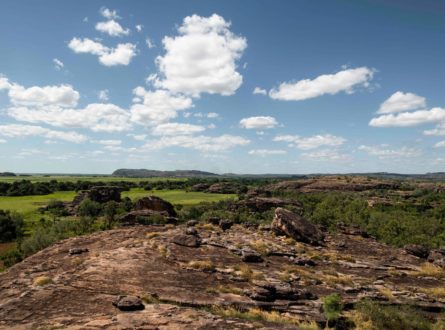
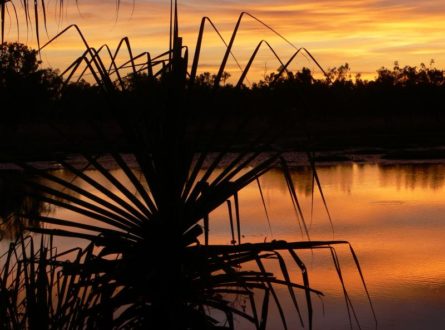
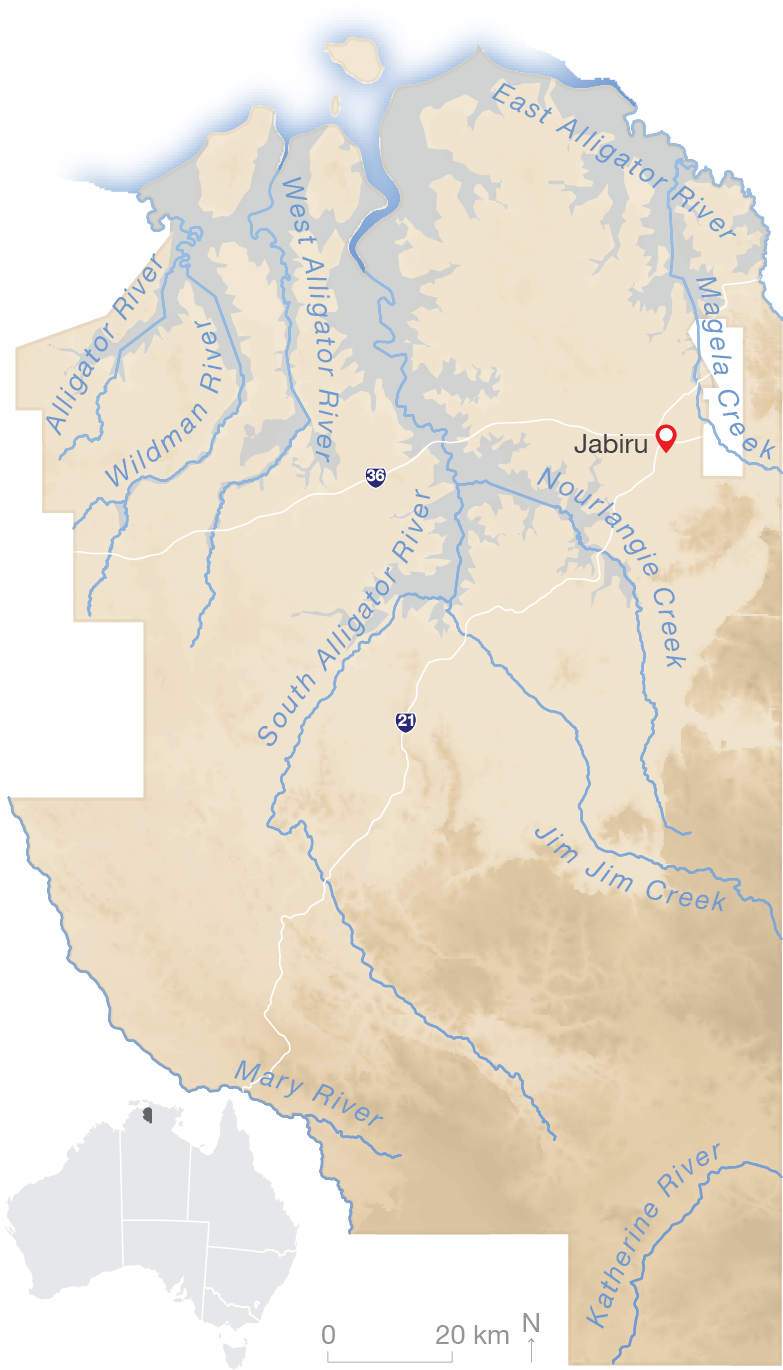
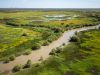
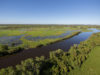
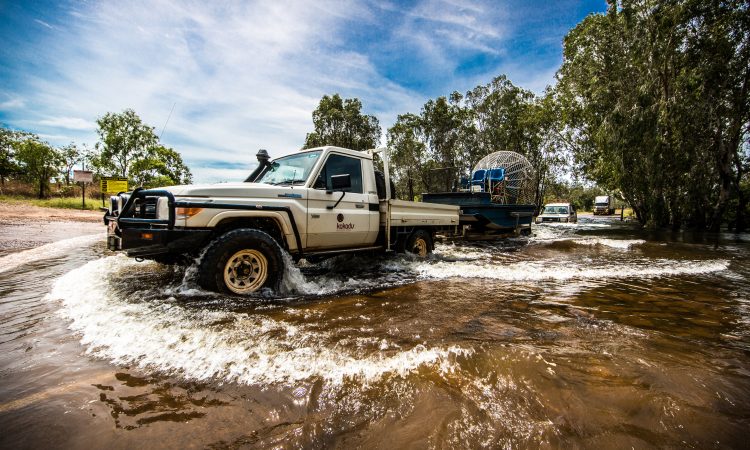
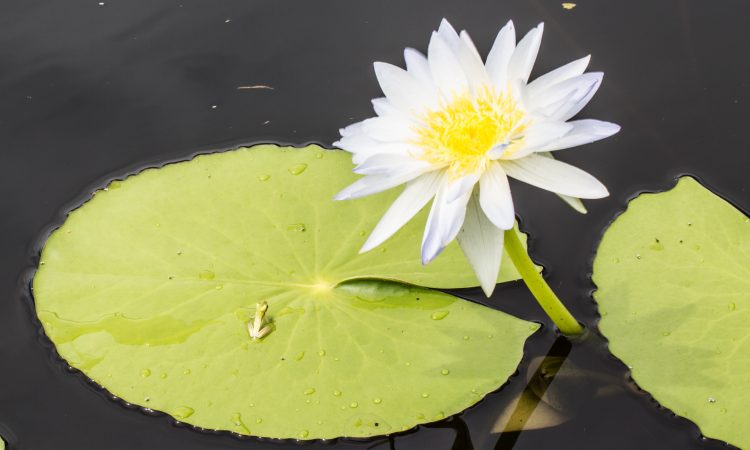
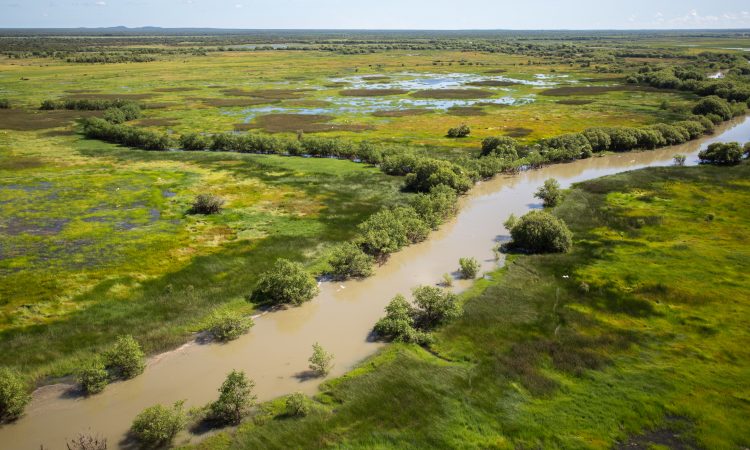
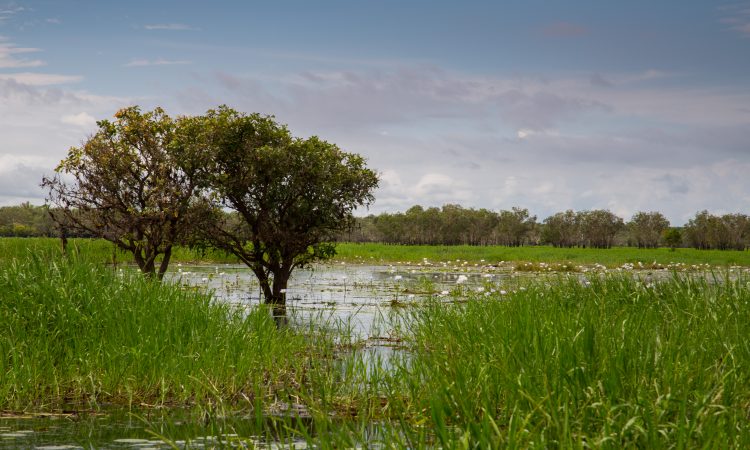
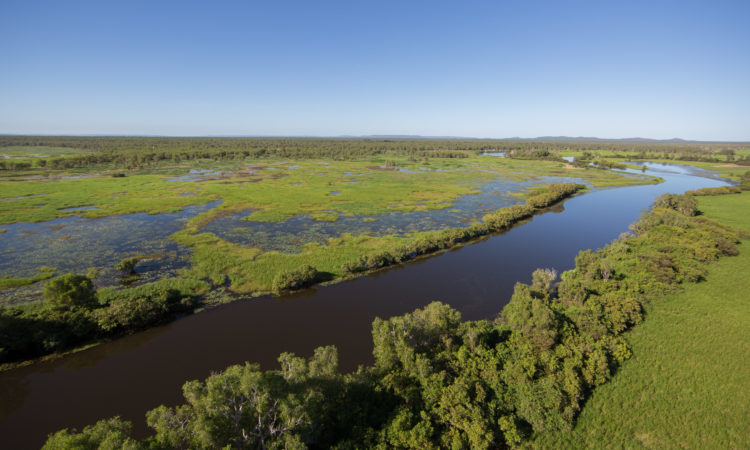
Kakadu National Park is a living cultural landscape internationally recognised for its outstanding natural and cultural values. The World Heritage listed park boasts an incredible array of interconnected ecosystems and rich biodiversity and to this day continues to support traditional resources for Indigenous people.
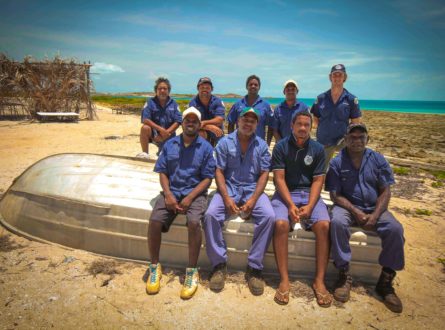
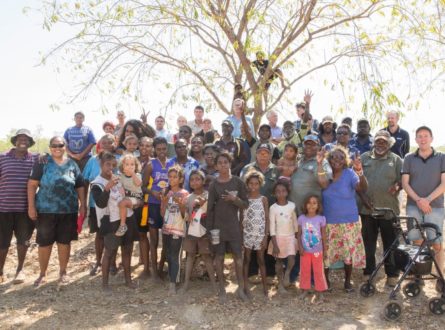
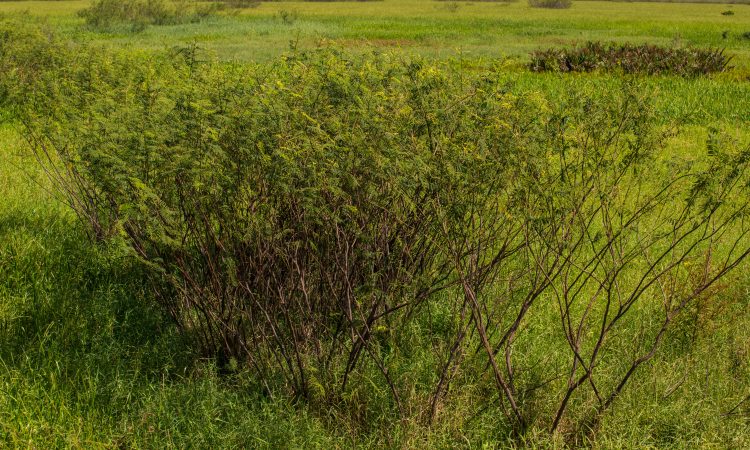
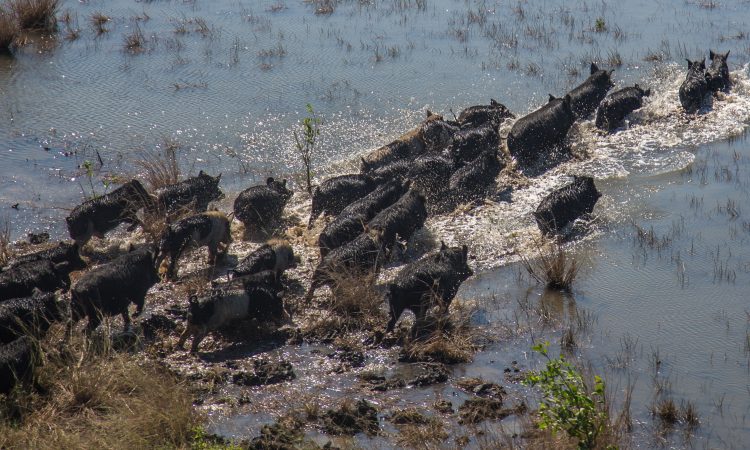
These significant values are, however, under pressure from a range of threats including weeds, feral animals, changed fire patterns and rising sea levels. Traditional Owners (Bininj and Mungguy) have a widely recognised role in environmental management in the park. Since the park was declared, it has been jointly managed by Bininj/Mungguy and Parks Australia. While this management structure facilitates shared decision making and prioritises an exchange in knowledge, skills and information, there is room to bring the interests of Kakadu’s Traditional Owners, park managers and the public into closer alignment.

Report
July 2022
Northern Hub Final Report 2021
Northern Australia Environmental Resources Hub. 2021. Northern Australia Environmental Resources Hub Final Report. Charles Darwin University, Darwin.
Report
September 2021
Using Bininj/Mungguy indicators to monitor the health of Country in Kakadu National Park (final report)
Scientific Paper
September 2021 | Open Access
Indigenous-led responsible innovation: lessons from co-developed protocols to guide the use of drones to monitor a biocultural landscape in Kakadu National Park, Australia (scientific paper)
Macdonald, J.M., Robinson, C.J., Perry, J., Lee, M., Barrowei, R., Coleman, B., Markham, J., Barrowei, A., Markham, B., Ford, H., Douglas, J., Hunter, J., Gayoso, E., Ahwon, T., Cooper, D., May, K., Setterfield, S.A & Douglas., M.M. 2021. Indigenous-led responsible innovation: lessons from co-developed protocols to guide the use of drones to monitor a biocultural landscape in Kakadu National Park, Australia, Journal of Responsible Innovation, DOI: 10.1080/23299460.2021.1964321
Impact Storie
May 2021
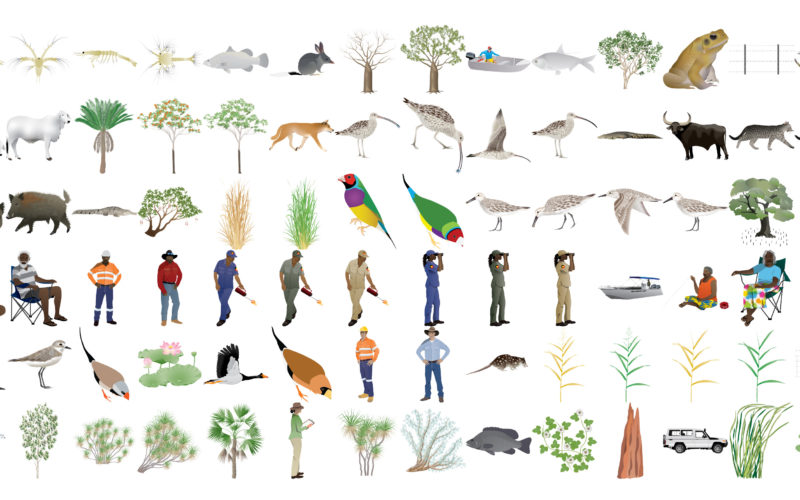
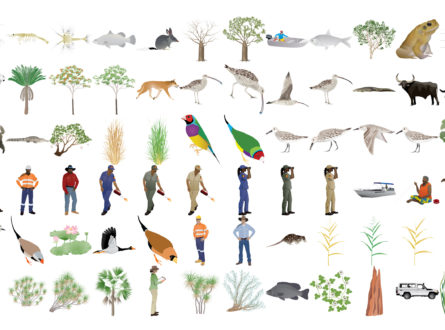
Engagement is a two-way street: Creating symbols for science communication (impact story 2020)
Other
March 2021
More Than Words (CSIRO Double Helix article Jan 2021)
Video
November 2020
Using Bininj knowledge to care for Nardab (video Nov 2020)
Video
October 2020
Kakadu NESP team – Eureka STEM Inclusion Prize finalist (video)
Video
August 2020
Keeping Country healthy in Kakadu National Park (impact video)
Video
November 2019
Kakadu and artificial intelligence to manage Country (video Nov 2019)
Video
September 2019
Using technology to monitor country – Bininj/Mungguy healthy Country indicators (video Sept 2019)
Video
May 2019
Bininj/Mungguy healthy country indicators in Kakadu National Park
Info Sheet
April 2019
Bininj/Mungguy healthy country indicators (start-up factsheet)
Other
October 2018
Indigenous science partnerships (brochure)
Other
May 2017
Top End research overview (brochure Jun 2018)
Info Sheet
September 2016
Indigenous NRM in Kakadu National Park (start-up factsheet)


Hub Leader
The University of Western Australia
Research Executive Committee and Western Node Leader
The University of Western Australia