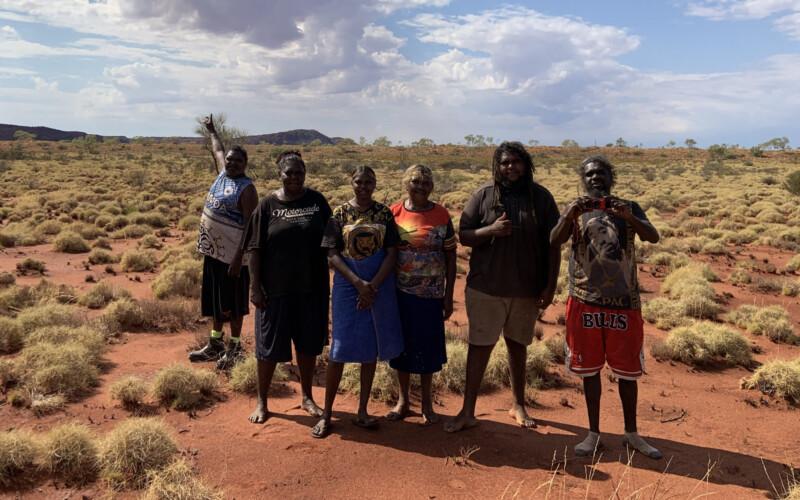
Across Australia, many species and ecological communities hold deep cultural, spiritual and livelihood importance for Indigenous peoples. Yet these culturally significant entities (CSE) are rarely acknowledged in national policy, planning or conservation management systems.
Led by Indigenous researchers and guided by Traditional Custodians, this project has created Australia’s first national framework for defining, recognising and managing CSEs. By bringing Indigenous knowledge systems and Western science together, the project aims to transform how biodiversity is valued and ensure that cultural significance becomes a core consideration in conservation planning and management.
The legislative and policy reform identified during the project will contribute to a future where the priorities, perspectives and governance models of Indigenous peoples guide how Australia cares for Country.
The project is now expanding into two priority areas:
developing a method to identify and protect CSE at risk from H5 bird flu, in partnership with Wudjari Elders from the Esperance (Kepa Kurl) Tjaltjraak Native Title Aboriginal Corporation (ETNTAC)
reviewing national and international biocultural monitoring methods to create a framework that embeds cultural values into monitoring and reporting.
Over 12 months, the project engaged with more than 300 people through six workshops, co-developed 21 case study examples with Indigenous Knowledge-holders across Australia, and worked under the direction of Indigenous Leadership Group and National Project Steering Committee to co-design and endorse the national definition of CSE.
A concise national definition, supported by explanatory notes, has been adopted.
Culturally significant entities (CSE) are species and ecological communities to which Indigenous Australians attribute cultural value, and which are critical to their relationship with, and adaptation to, Country (land, water, sea and sky).
CSE can include:
animals, plants and ecological communities (land, water, sea and sky)
totems, bush foods, medicines and materials used for tools and customary practice
species and places important in creation stories, songlines, cultural pathways and trading routes
indicators of the health of Country
culturally significant threats (such as certain invasive species).
Key considerations:
CSE are place-based and determined by communities with cultural authority to speak for Country
CSE may be threatened, widespread, abundant or even invasive
lore and Indigenous governance take precedence in how CSE are identified and managed
not all communities will define CSE in the same way
sustainable management of CSE led by Indigenous Australians is fundamentally important to maintaining Indigenous culture, traditional practice, language and Knowledge systems.
A key project finding has been the collective support for proposed biocultural objectives to be considered during the identification and collaborative management of CSE.
The three interconnected biocultural domains are:
Country – improve the health and protection of cultural land and seascapes; maintain spiritual connection, wellbeing and the condition of Country
Culture – enable secure transfer of Indigenous Knowledge; recognise Indigenous Knowledge as the first science
Kin – strengthen Indigenous governance, cultural authority and responsibility for managing CSE and Country.
These objectives guide:
how CSE are identified and prioritised
how monitoring and evaluation systems (e.g. MERIT, conservation strategies, funding programs) are redesigned to incorporate biocultural indicators.
Engagement with Indigenous partners focused on identifying short-, medium- and long-term actions to strengthen the recognition of CSE in legislation and policy. Discussions explored key levers for change such as program and policy design, and legislative reform and enabling actions. They highlighted a clear need for a fundamental shift in approach: from viewing Indigenous Australians as stakeholders to recognising them as rightsholders, with CSE understood as an inherent cultural birthright.
Key recommended actions:
Short term (0–3 years)
Embed Indigenous engagement, participation and knowledge in all key planning documents (e.g. strategies, recovery plans).
Establish an Indigenous Knowledge and Science team within government and environmental organisations (e.g. senior Indigenous science roles, Indigenous Knowledge brokers).
Medium term (3–7 years)
Mandate Indigenous representation in nomination, assessment, approval and funding processes, especially those linked to Matters of National Environmental Significance.
Require landscape and seascape planning to integrate Indigenous Knowledge.
Adopt biocultural objectives and place-based indicators in monitoring and evaluation programs.
Long term (7+ years)
Establish an Indigenous Land and Sea Commissioner with statutory decision-making powers.
Recognise place-based CSE as a new category of Matter of National Environmental Significance, ensuring listing supports –not restricts – cultural practices.
Align national and state legislation with international commitments such as UNDRIP and the Nagoya Protocol.
This project has identified three cross-cutting priorities for the future:
Climate change – the importance of integrating CSE into climate change modelling, mitigation and adaptation strategies, recognising that climate impacts can threaten both cultural and ecological values.
Data and knowledge management – invest in secure data systems, national case-study repositories and culturally appropriate management of CSE knowledge, including the role of Elders as knowledge holders and intergenerational transfer.
Self-determination and Treaty – recognise that Indigenous self-determination, Treaty rights and sovereignty need to be considered in policy and legislative development.
The strong and consistent messaging from Indigenous experts and stakeholders is that:
The recognition of CSE requires a shift towards greater inclusion of Indigenous perspectives, knowledge and governance in environmental management and policy.
A key recommendation is the need for well-resourced implementation, two-way capacity building and meaningful on-Country participation so that all stakeholders benefit from the recognition of CSE.
Under construction. Please return soon.
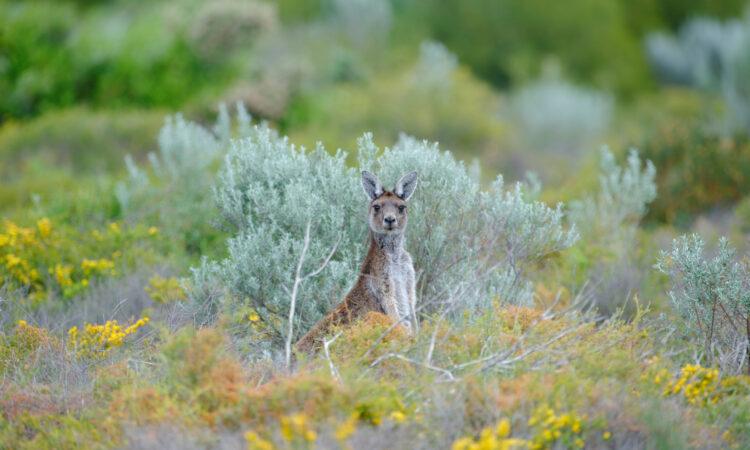
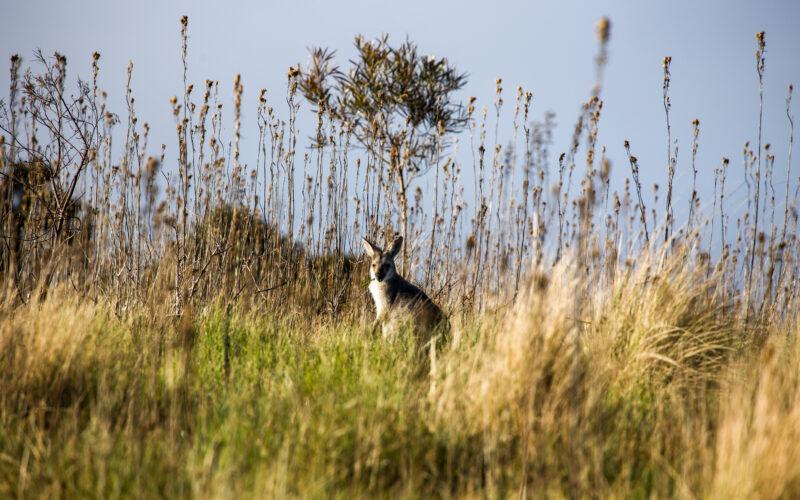
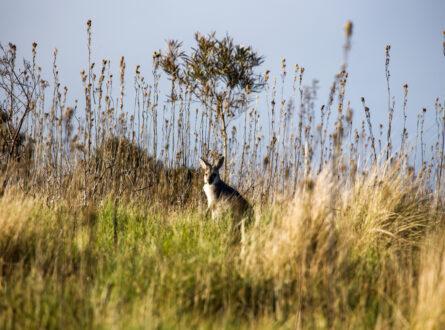
Western Grey Kangaroo, Cervantes, Western Australia, Australia. Photo: Eric Middelkoop AdobeStock.