Project start date: 01/09/2023
Project end date: 30/06/2027
NESP funding: $308,450 (GST exclusive)
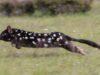
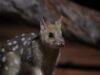
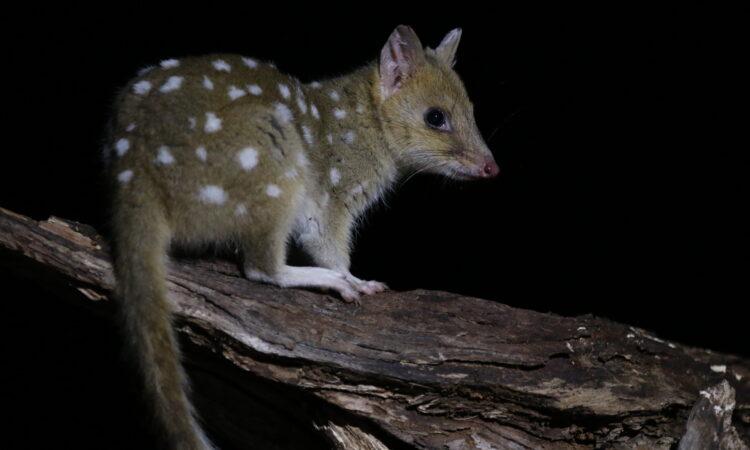
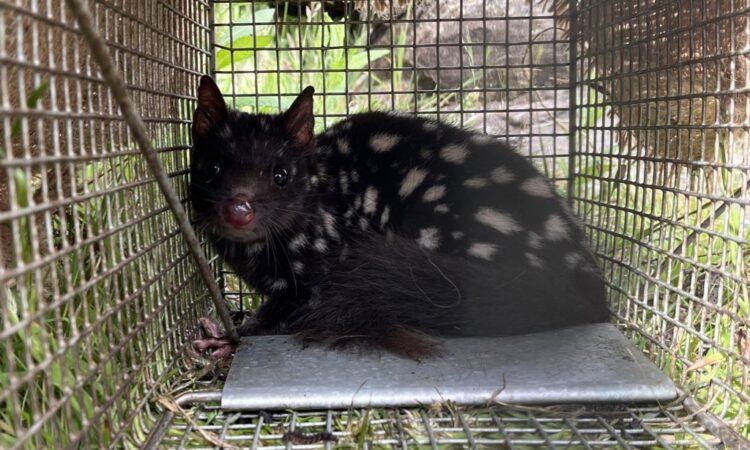
Australia’s native carnivores are disappearing fast, and two of the most iconic – the eastern quoll (Dasyurus viverrinus) and northern quoll (Dasyurus hallucatus) – are on the frontline. Both are nationally endangered and listed as priority species under the Australian Government’s Threatened species action plan 2022–2032. This project aims to understand the decline of these threatened mammals by uncovering why populations are dropping and how we can create landscapes where they can persist beyond fences, islands and temporary refuges.
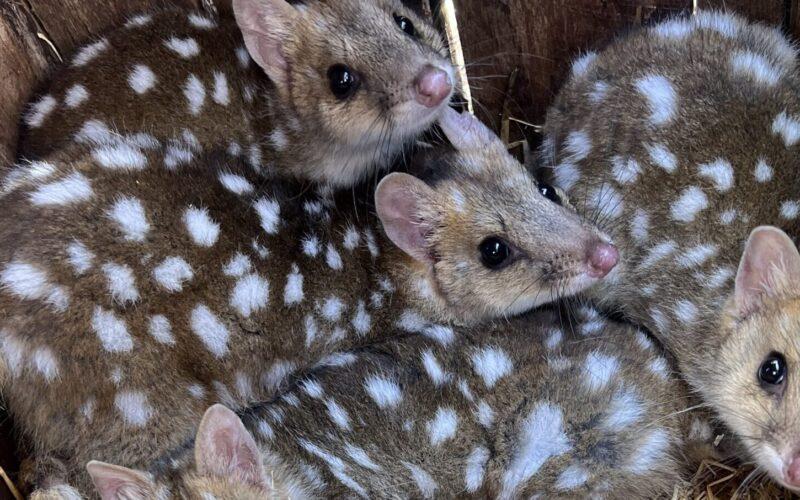
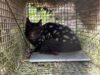
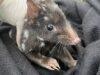
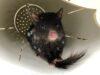
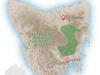
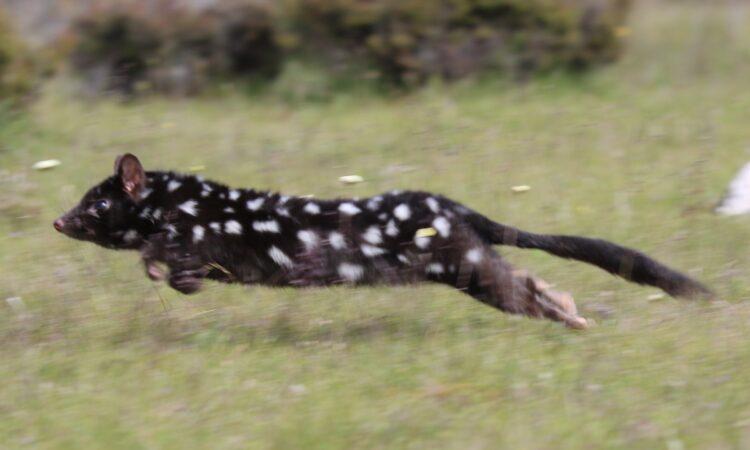
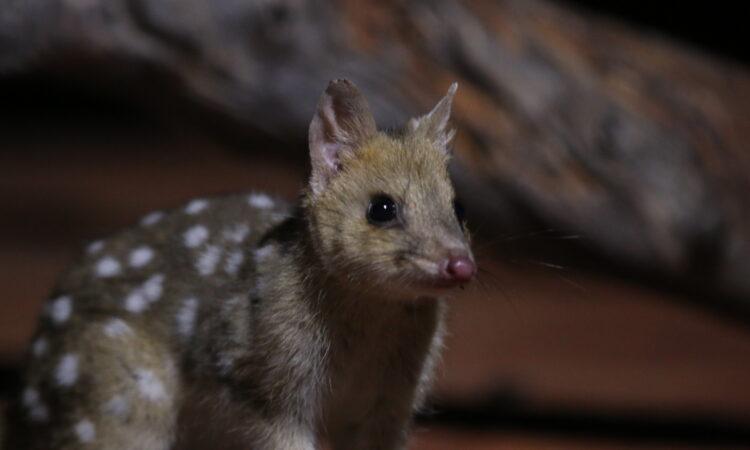
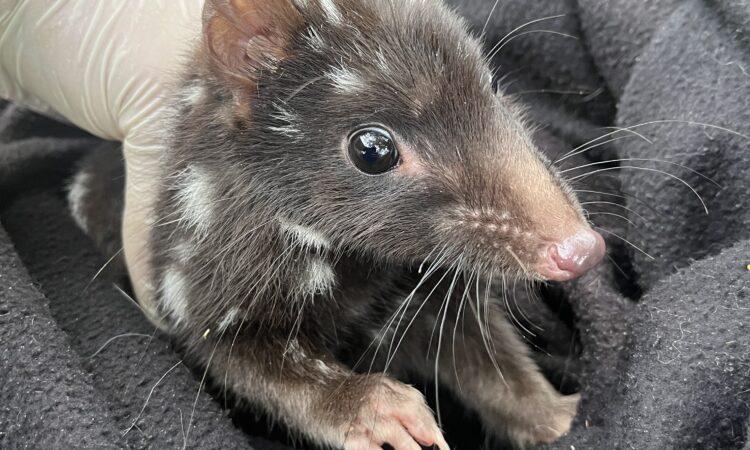
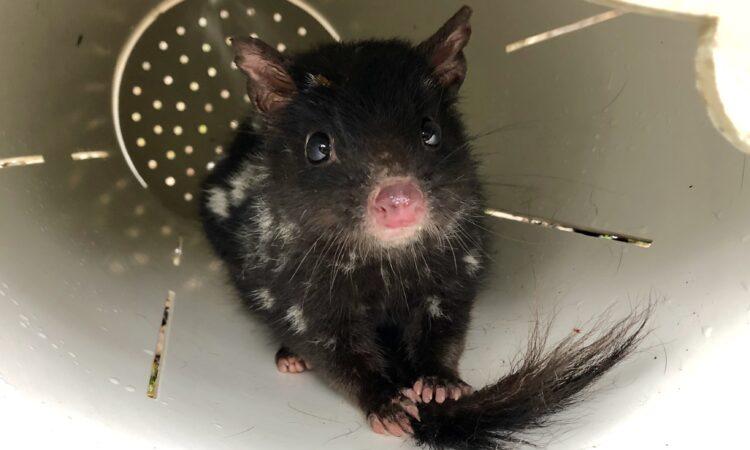
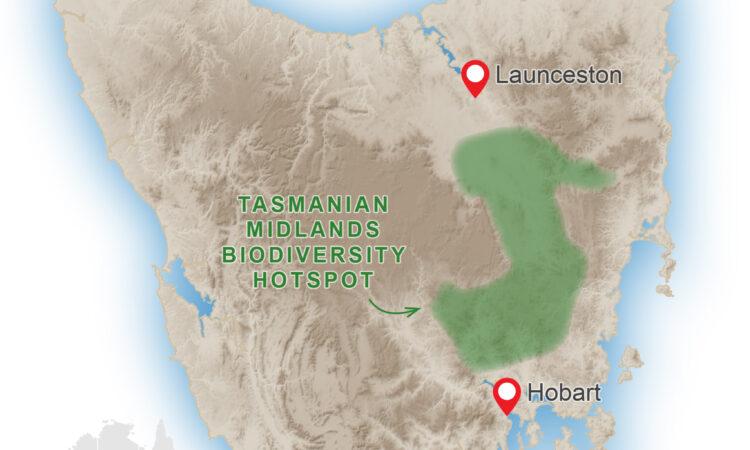
In Tasmania – the last wild stronghold for eastern quolls – researchers are trialling targeted translocations of captive-bred animals to uncover what’s driving their decline. These experiments are revealing how habitat quality, predators, food availability and release strategies shape survival, while testing whether captive-bred translocations can serve as an effective early-intervention tool for species at risk.
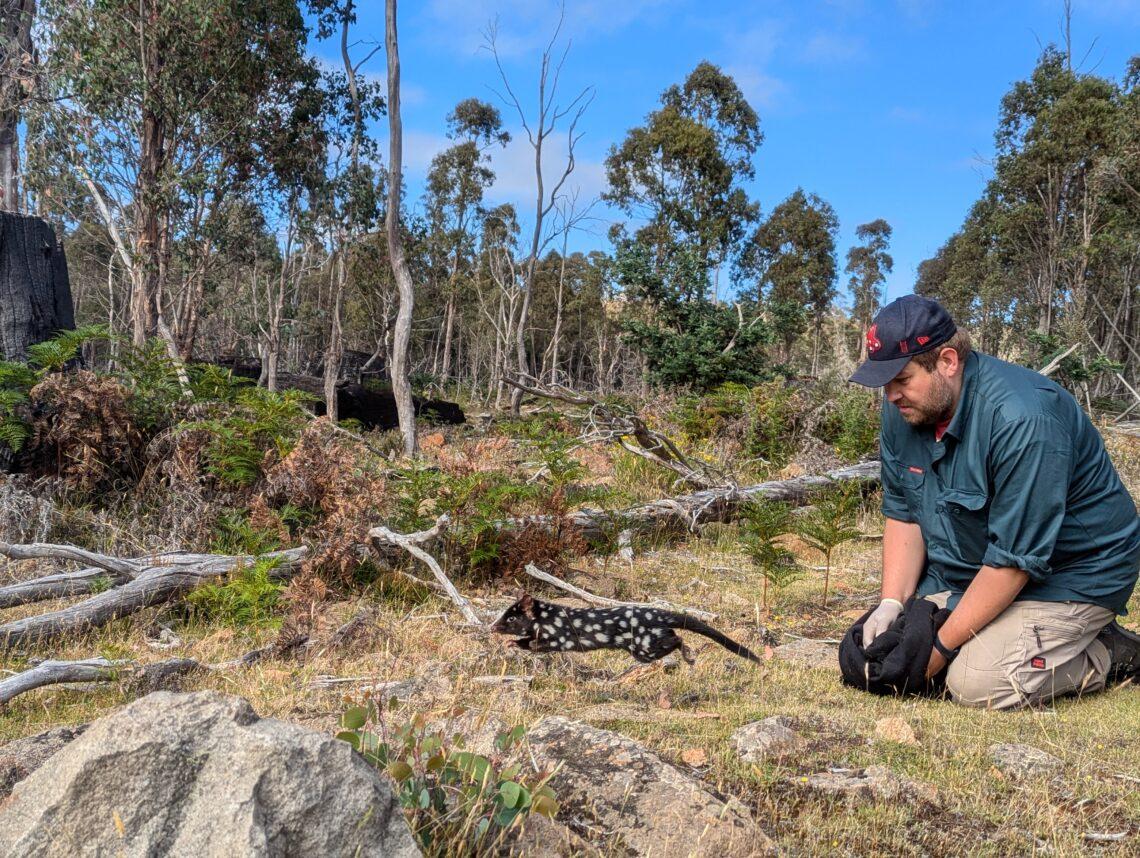
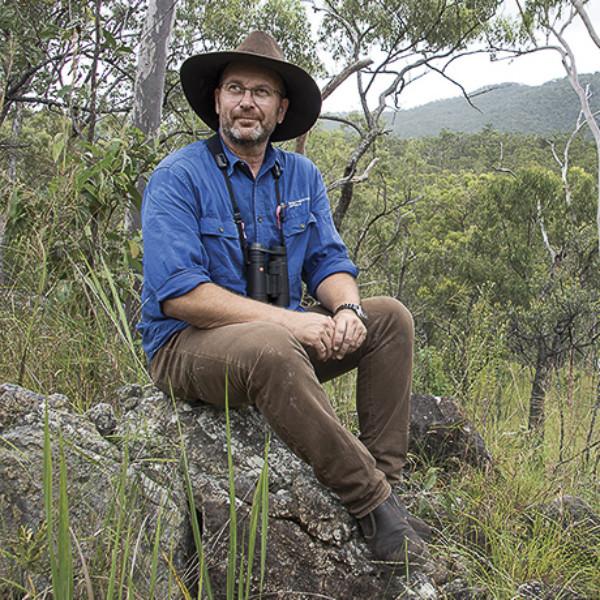
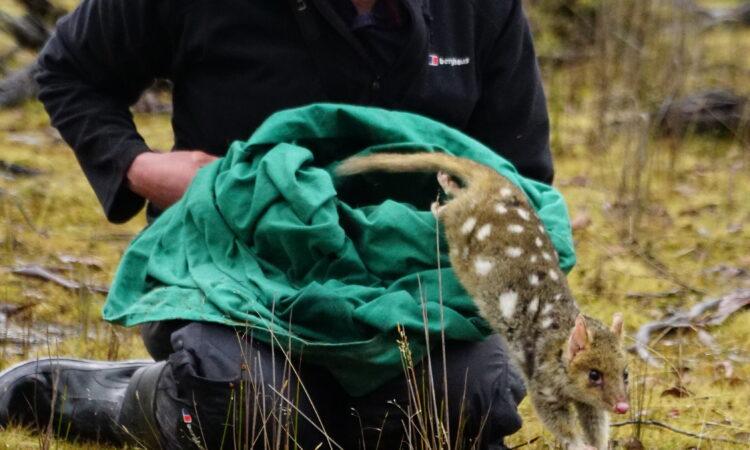
Conservation ecologist David Hamilton from the Tasmanian Land Conservancy microchips the released quolls to help with further tracking. (Photo: Cath Dickson)
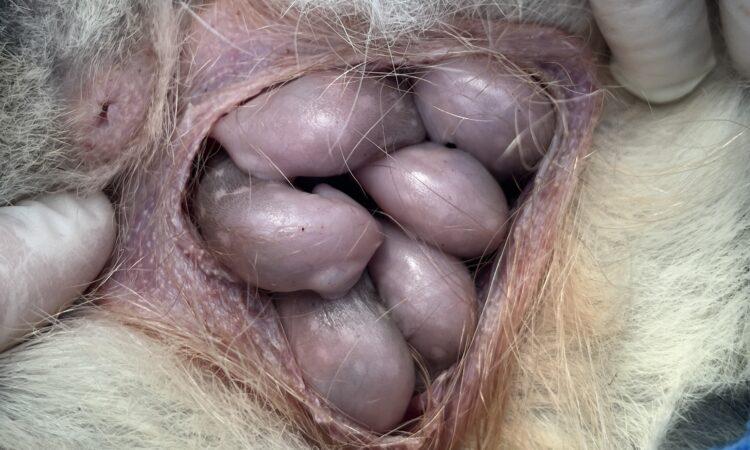
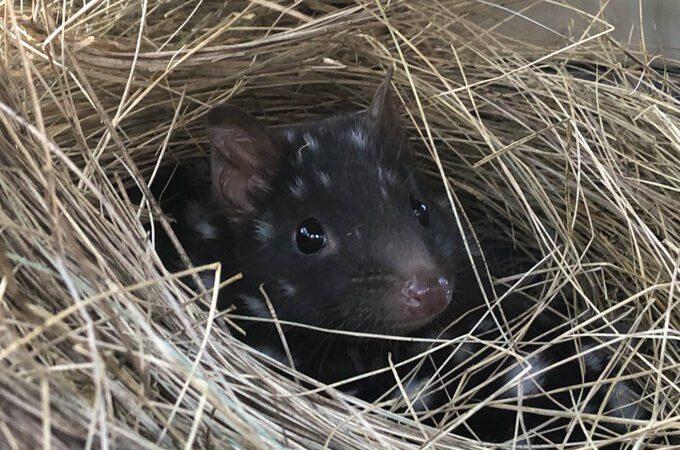
Researchers are experimentally introducing captive-bred quolls to bolster wild populations in Tasmania and to provide information on what is causing the observed declines in eastern quoll populations. This project is also informing how well the translocations of captive-bred animals works as a management tool and developing evidence-based protocols for using captive-bred translocations to improve recovery of eastern quolls and as an early intervention for other declining species.
This research will collect data on how to proactively address species’ declines before populations become critically small and less likely to recover without significant intervention and investment. Project results will be directly translated into on-ground management of eastern quolls.
Key research areas
To help prevent the further decline of eastern quoll populations and other species, this project is:
Pathway to impact
This project will:


Project leader
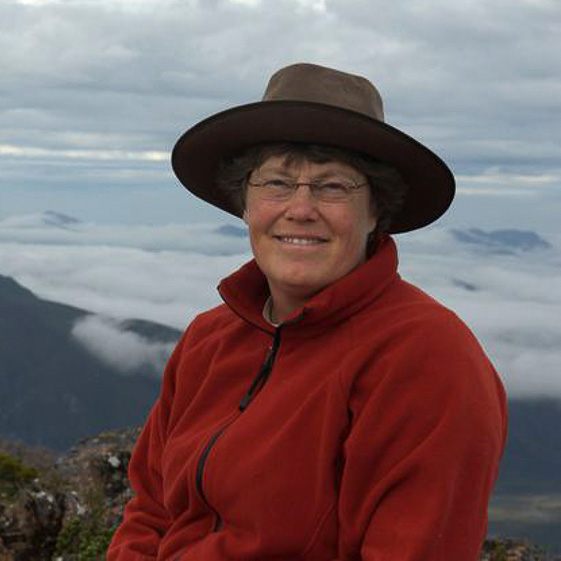
The project is being led by Professor Menna Jones from the University of Tasmania. This project will contribute to 3 cross-cutting initiatives:
Contact
For further information, contact menna.jones@utas.edu.au or nesplandscapes@uwa.edu.au.
Research users
People