Graeme Gillespie
Key Researcher
Northern Territory DEPWS

Keywords: threatened species, threats, endangered species, endangered, vulnerable, Kakadu, KNP, national park, Parks Australia, Kakadu National Park, Top End, Northern Territory, NT, endemic reptiles, endemic mammals, cat-exclusion sites, landscape-scale relationships, savanna, EPBC Act, monitoring, dingoes, fire, invasive animals, introduced animals
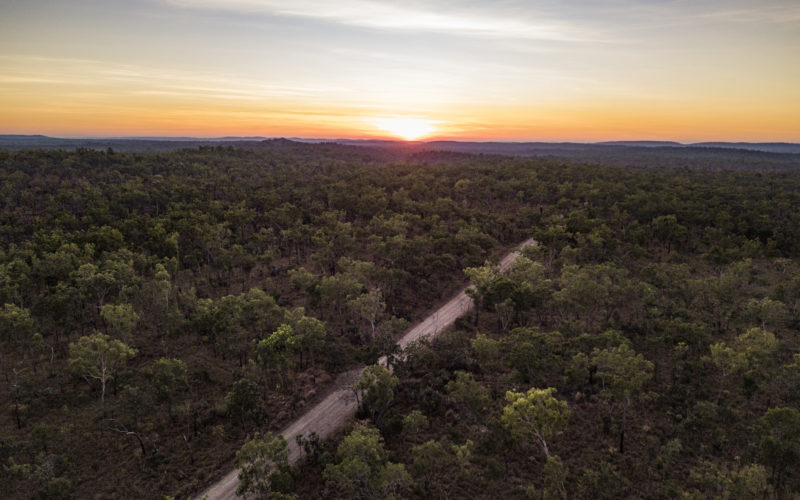
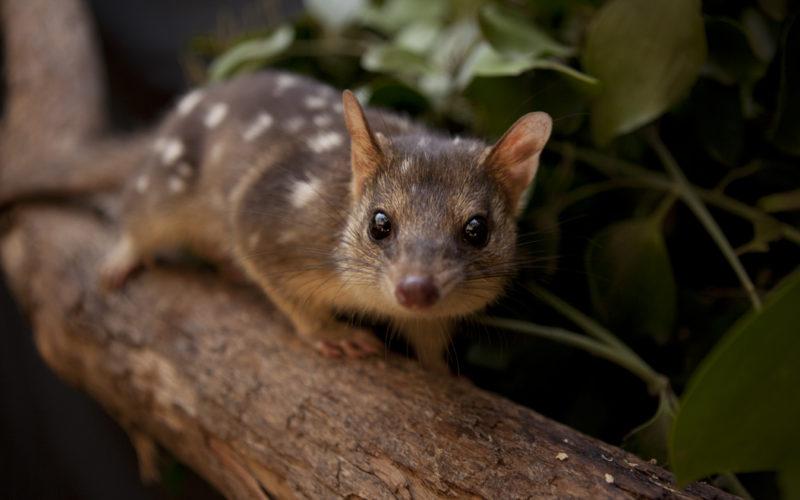
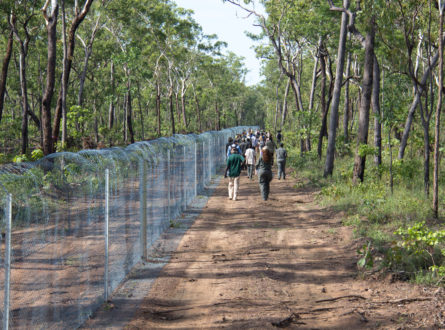
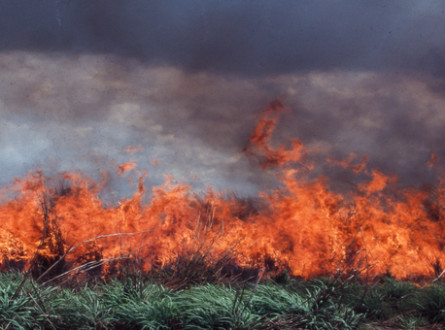
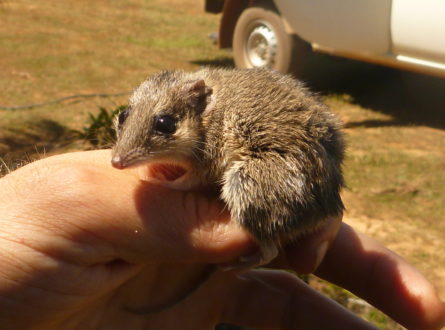
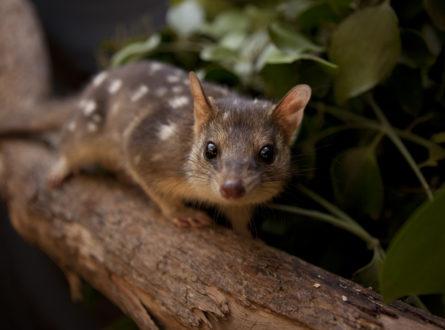
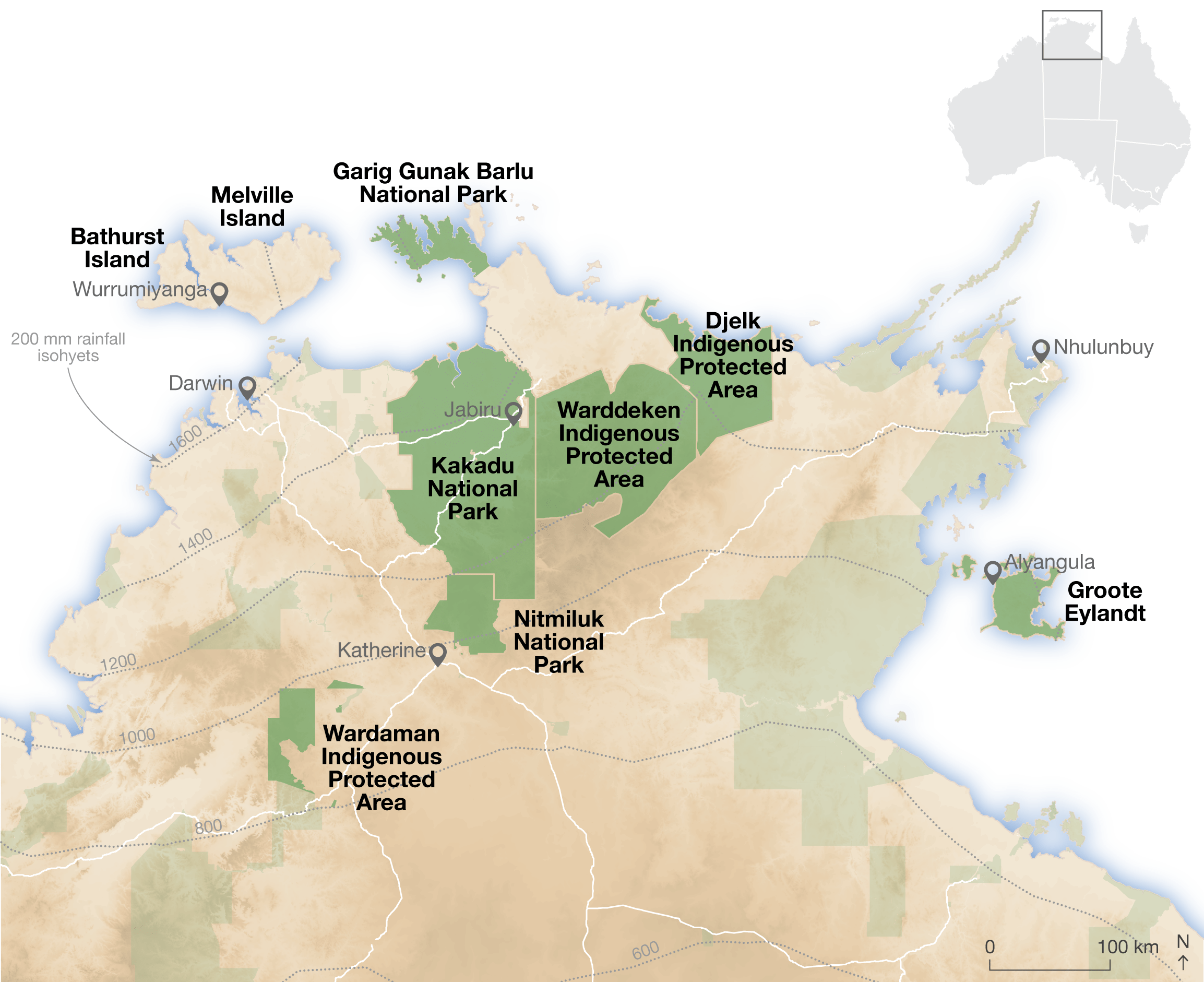
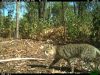
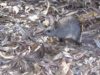
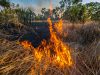
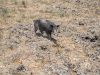
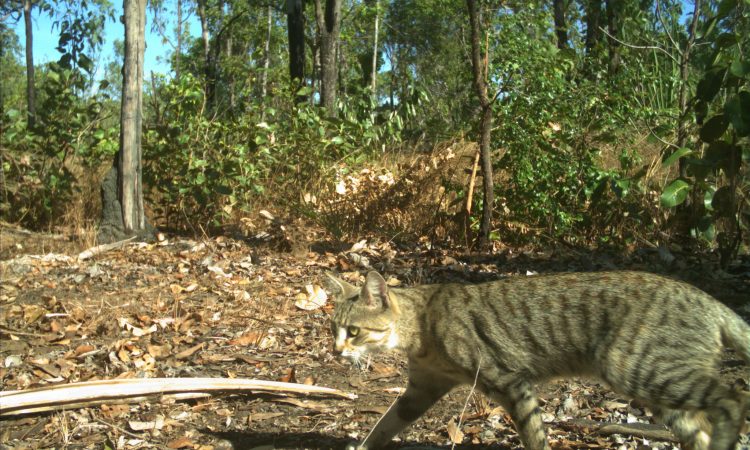
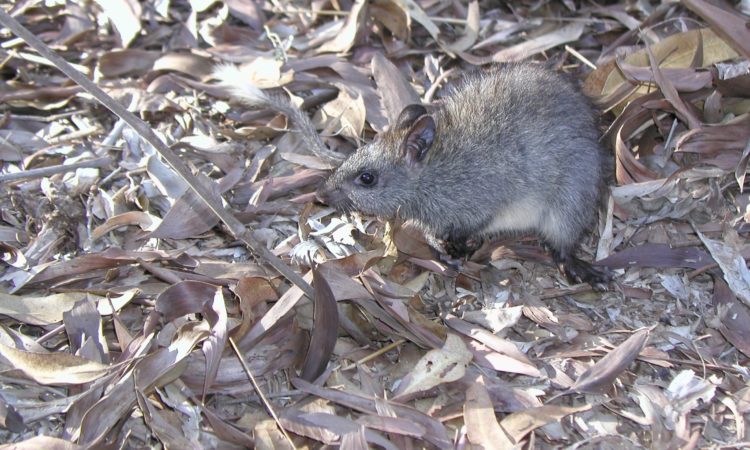
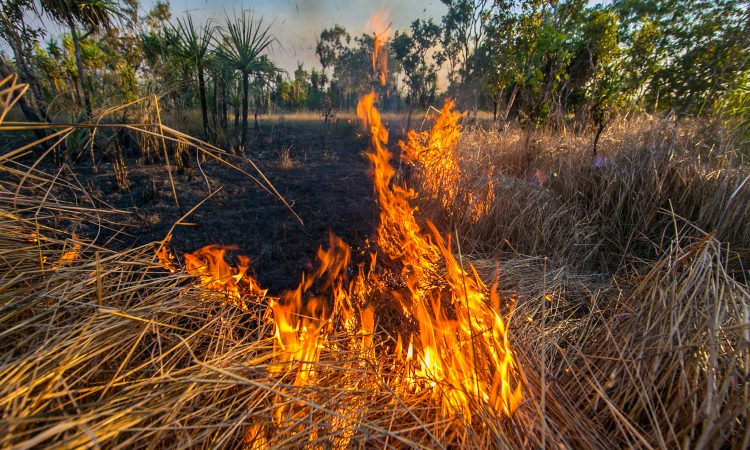
Small mammal species in northern Australia have undergone catastrophic declines, including in key reserves such as Kakadu National Park. The project aims to guide management priorities to recover threatened mammals in monsoonal northern Australia, especially in relation to fire and feral cats. The team is compiling and analysing a large dataset (from Kakadu and comparable other sites in the Top End) on the occurrence of cats, native mammals and fire to evaluate landscape-scale relationships. It is also contributing to the analysis and documentation of responses of native reptiles and mammals to cat-exclusion at established fenced sites in Kakadu National Park.


Report
July 2022
Northern Hub Final Report 2021
Northern Australia Environmental Resources Hub. 2021. Northern Australia Environmental Resources Hub Final Report. Charles Darwin University, Darwin.
Impact Storie
May 2021
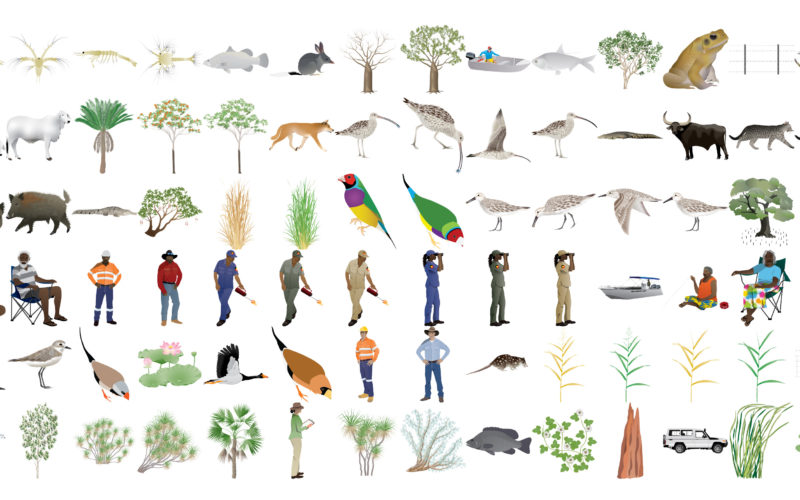
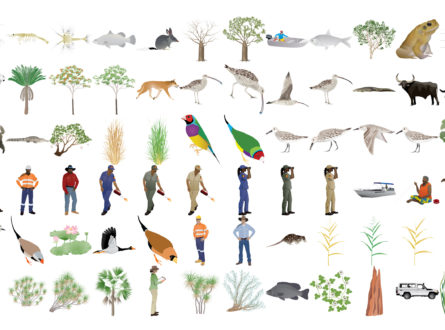
Engagement is a two-way street: Creating symbols for science communication (impact story 2020)
Other
March 2021
More Than Words (CSIRO Double Helix article Jan 2021)
Info Sheet
January 2021
Small mammal declines in the Top End: Feral cats, dingoes, feral herbivores and habitat complexity (science summary January 2021)
Other
August 2020
The mystery of the Top End’s vanishing wildlife, and the unexpected culprits (article)
Video
July 2020
Cats, fire, buffaloes, dingoes and mammals in Northern Australia (video)
Scientific Paper
June 2020
Bottom-up and top-down processes influence contemporary patterns of mammal species richness in Australia’s monsoonal tropics (scientific paper)
Stobo-Wilson, A.M., Stokeld, D., Einoder, L.D., Davies, H.F., Fisher, A., Hill, B.M., Mahney, T., Murphy, B.P., Scroggie, M.P., Stevens, A., Woinarski, J.C.Z., Bawinanga Rangers, Warddeken Rangers & Gillespie, G.R. (2020).
Bottom-up and top-down processes influence contemporary patterns of mammal species richness in Australia's monsoonal tropics. Biological Conservation, Volume 247, 2020, 108638, ISSN 0006-3207. https://doi.org/10.1016/j.biocon.2020.108638.
Scientific Paper
April 2020 | Open Access
Habitat structural complexity explains patterns of feral cat and dingo occurrence in monsoonal Australia (scientific paper)
Stobo‐Wilson AM, Stokeld D, Einoder LD, Davies HF, Fisher A, Hill BM, Mahney T, Murphy BP, Stevens A, Woinarski JCZ, Djelk Rangers, Warddeken Rangers, & Gillespie GR. Habitat structural complexity explains patterns of feral cat and dingo occurrence in monsoonal Australia. Divers Distrib. 2020; 00: 1– 11. https://doi.org/10.1111/ddi.13065
Other
May 2017
Top End research overview (brochure Jun 2018)
This project is being led by the Northern Territory Government’s Department of Environment, Parks and Water Security who are working in collaboration with Parks Australia, Anindilyakwa, Tiwi Island, Warddeken and Djelk Traditional Owners and rangers.
We are partnering with the NESP Threatened Species Recovery Hub for this project – see their project page here.
Project leaders are NT Government Director of Terrestrial Ecosystems Dr Graeme Gillespie and Charles Darwin University’s Professor John Woinarski.
This project is due for completion in 2020.
Contact:
Graeme Gillespie, Northern Territory Department of Environment, Parks and Water Security
graeme.gillespie@nt.gov.au
John Woinarski, Charles Darwin University
john.woinarski@cdu.edu.au


Key Researcher
Northern Territory DEPWS
Northern Territory DEPWS
Northern Territory DEPWS