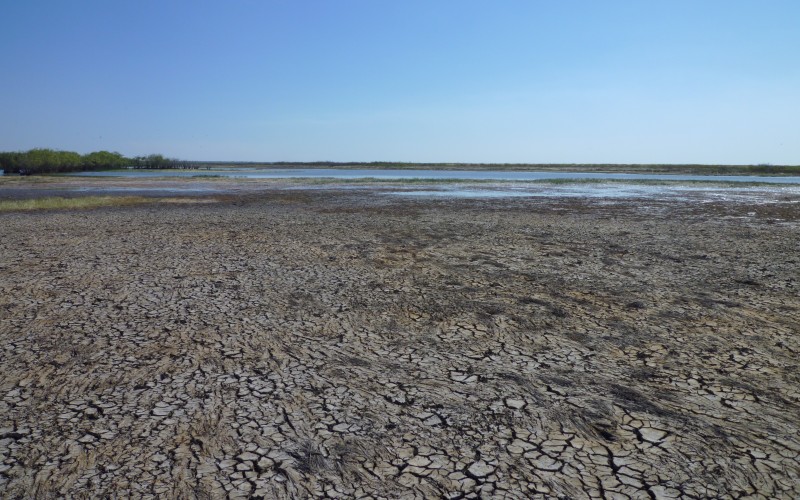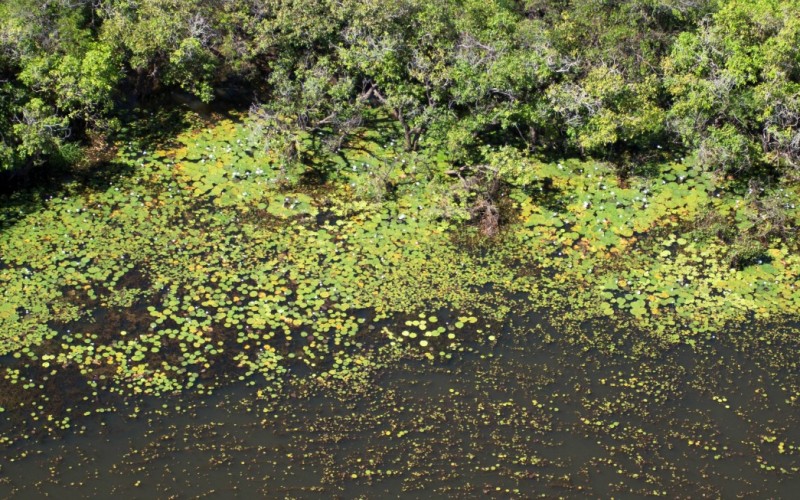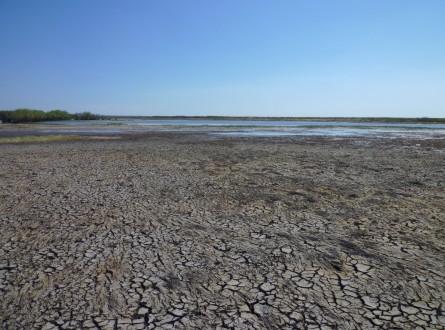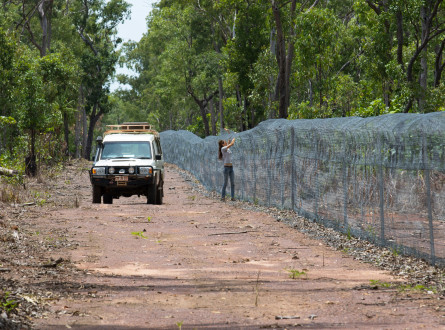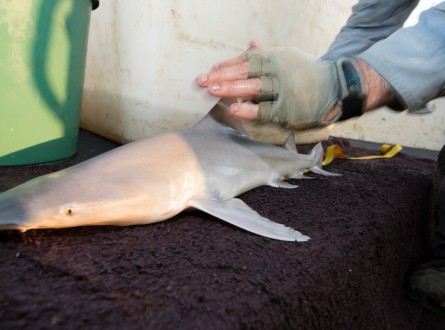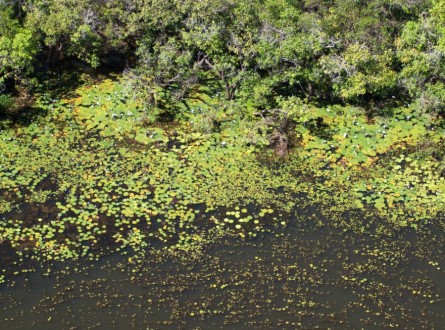
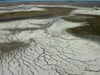
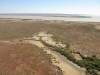
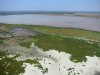
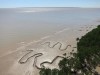
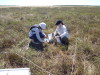
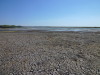
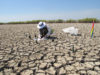
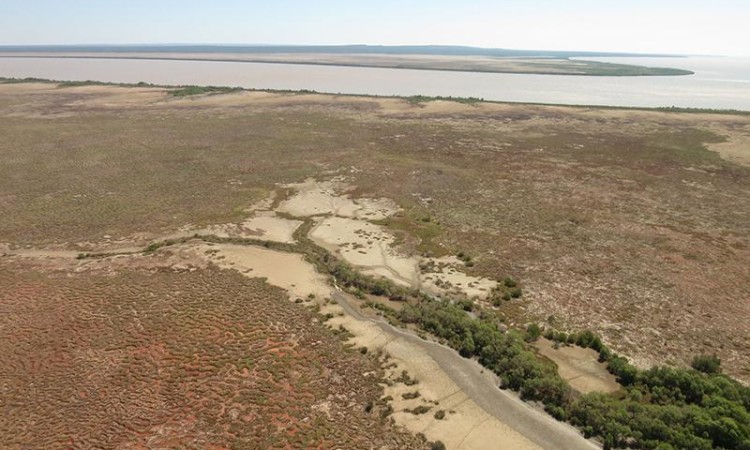
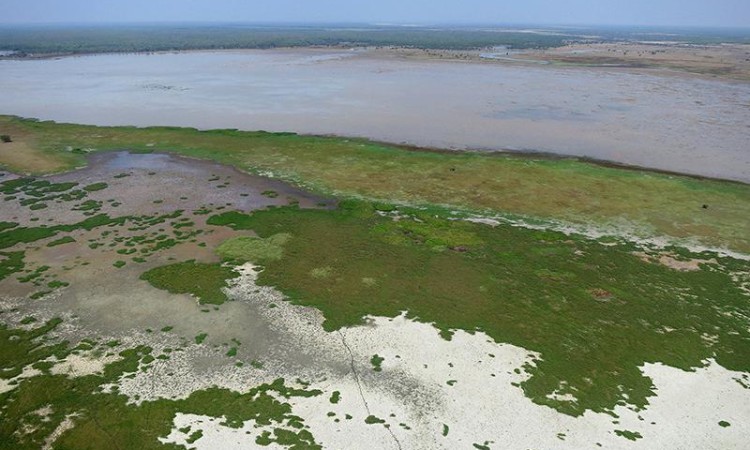
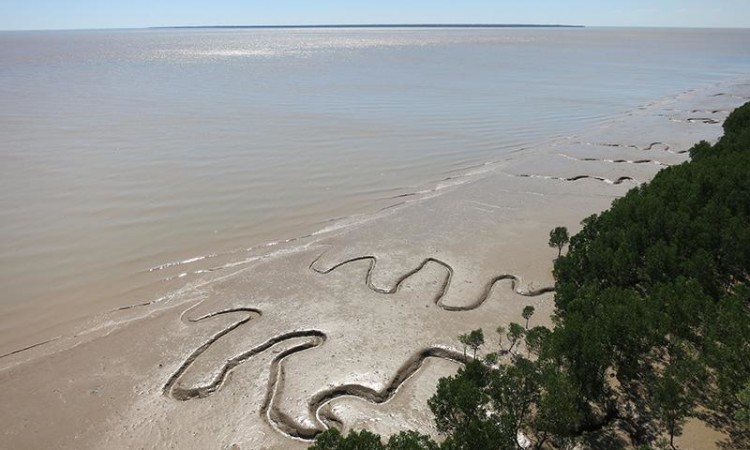
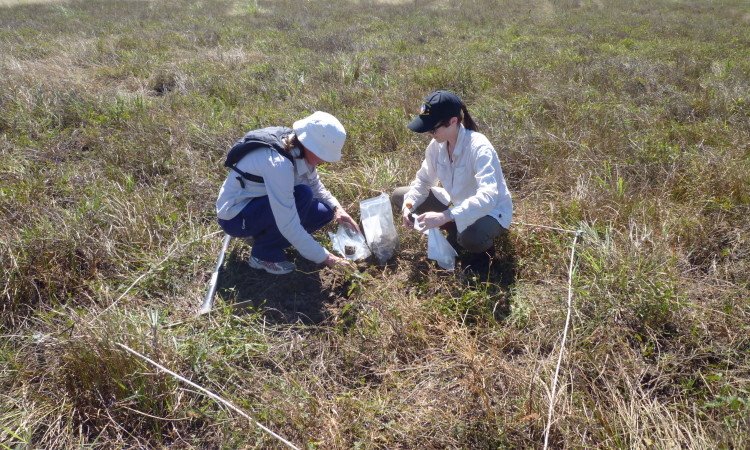
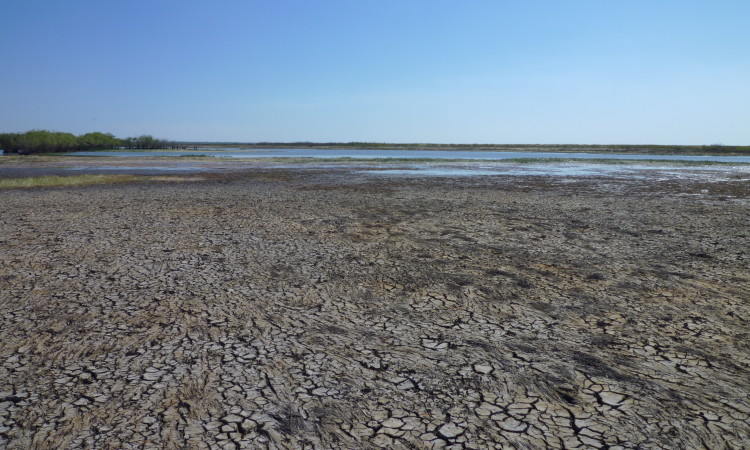
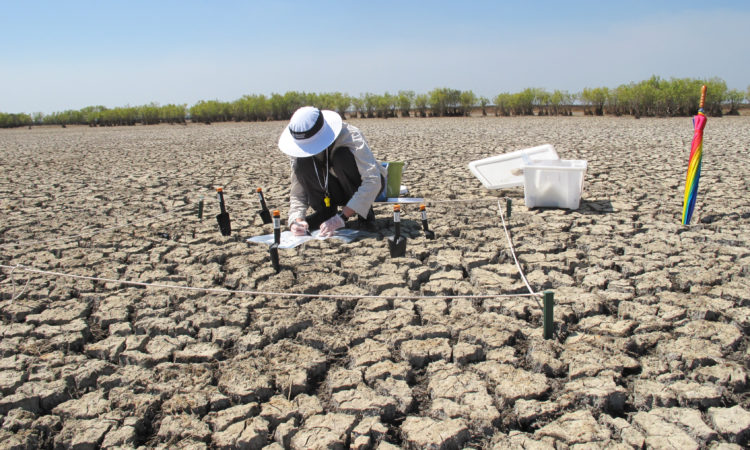
Current models predict that saltwater intrusion will increasingly impact the coastal regions of Kakadu National Park in Northern Australia. This project used molecular techniques termed ecogenomics to provide fundamental information on how saltwater exposure may alter the microbial ecology of the region’s floodplains and benthos of the estuaries.
The findings provide a comprehensive DNA-based inventory of the region’s unique biota. The research also presented strong evidence that increases to saltwater exposure will alter the composition of floodplain bacterial taxa associated with key biogeochemical processes. Furthermore, estuarine research emphasised how biodiversity is strongly shaped by seasonal changes in oceanic and freshwater inputs, hydrodynamics, such as tidal energy, and floodplain morphology.
Scientific Paper
April 2018
Sea-level rise in northern Australia’s Kakadu National Park: a survey of floodplain eukaryotes (scientific paper)
Stephenson, S., Nelson, T. M., Streten, C., Gibb, K. S., Williams, D., Greenfield, P., & Chariton, A. A. (2018). Sea-level rise in northern Australia's Kakadu National Park: a survey of floodplain eukaryotes. Marine and Freshwater Research, 69(7), 1134-1145. DOI: 10.1071/MF18067
Scientific Paper
April 2016
Bacteria in tropical floodplain soils are sensitive to changes in saltwater (scientific paper)
Nelson Tiffanie M., Streten Claire, Gibb Karen S., Chariton Anthony A. (2016) Bacteria in tropical floodplain soils are sensitive to changes in saltwater. Marine and Freshwater Research 69, 1110-1123. https://doi.org/10.1071/MF16033.
Other
November 2015
Monitoring the impacts of saltwater intrusion on sediment communities (poster)
Scientific Paper
November 2015
Saltwater intrusion history shapes the response of bacterial communities upon rehydration
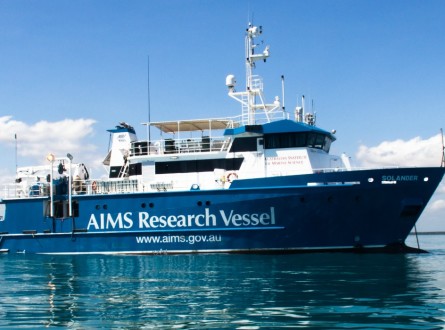
The research team includes scientists from CSIRO, Australian Institute of Marine Science and Charles Darwin University with the support of Traditional Owners and Parks Australia. The team was led by Dr Anthony Chariton.
Project Leader
Dr Anthony Chariton
CSIRO
Anthony.Chariton@csiro.au