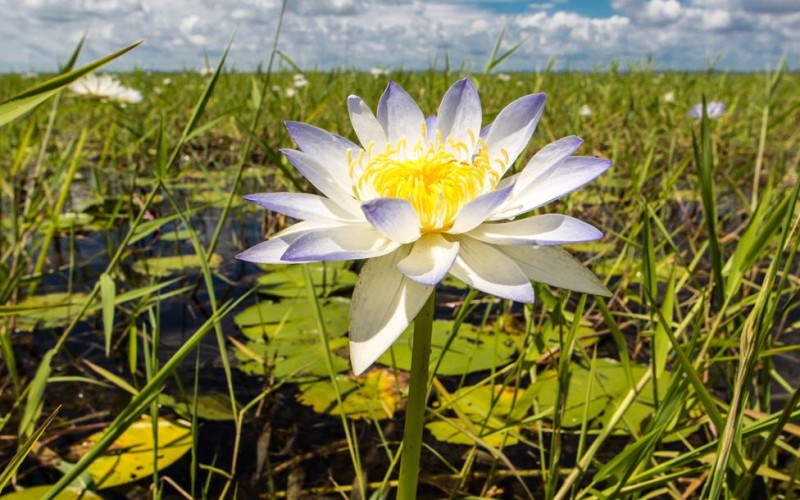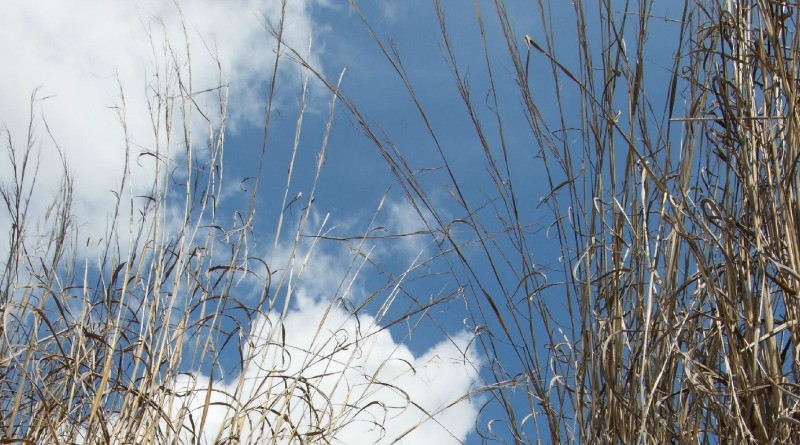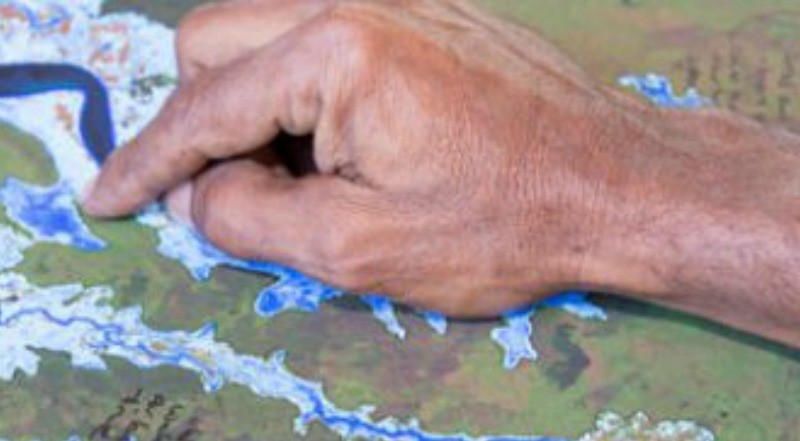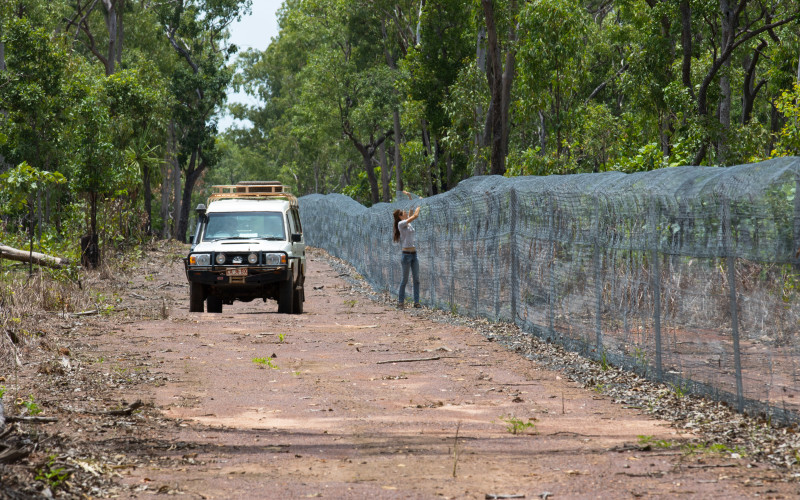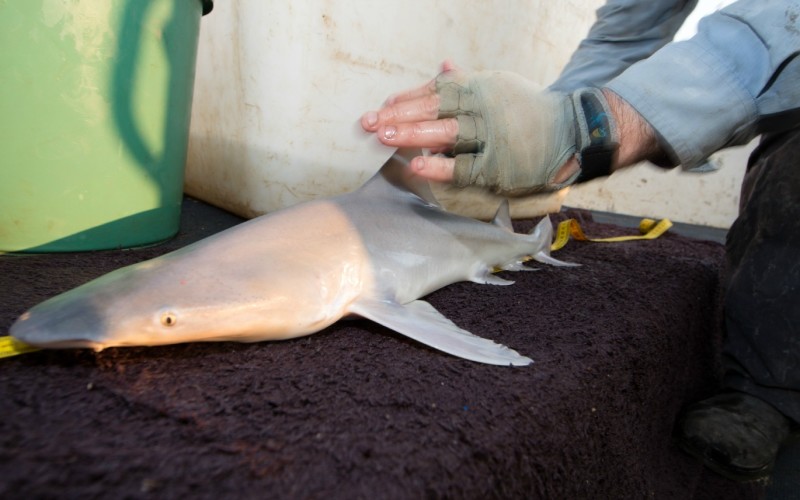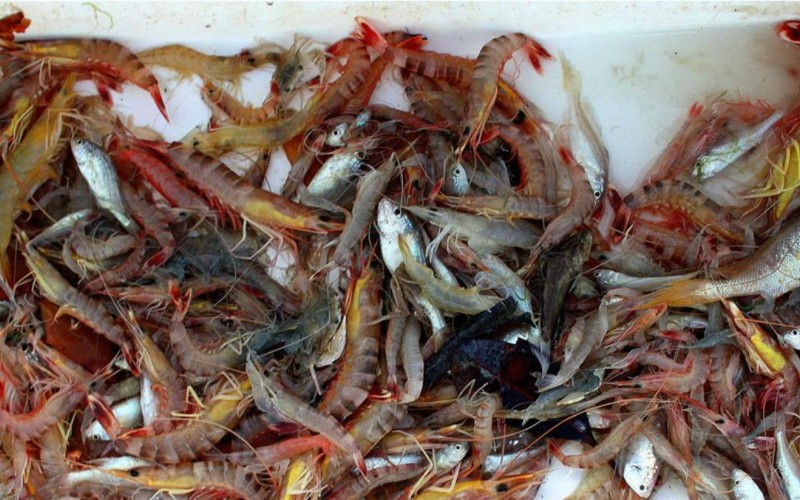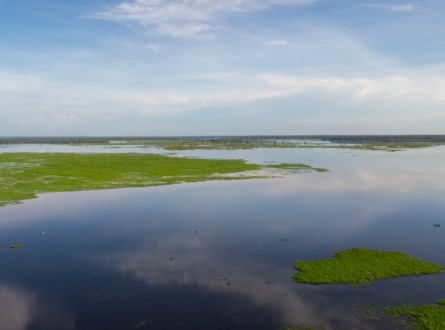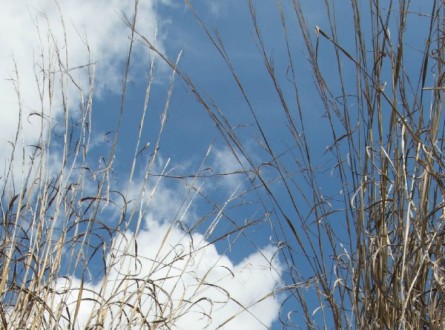
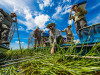
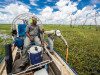
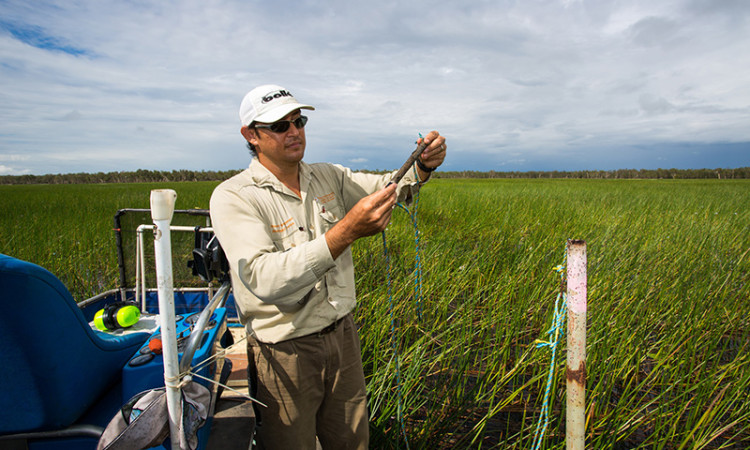
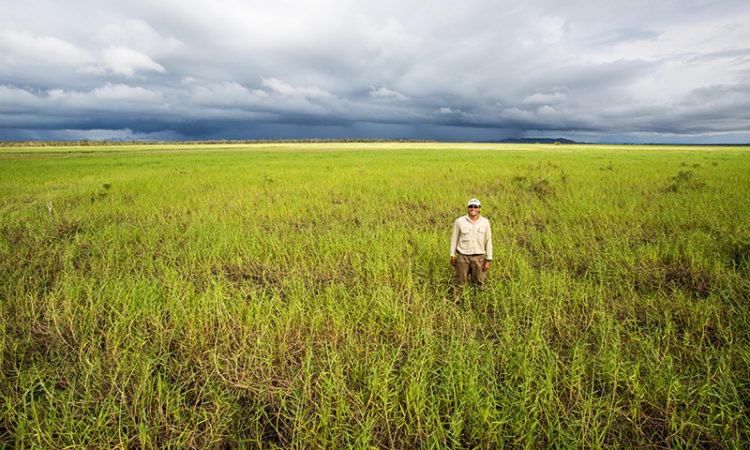
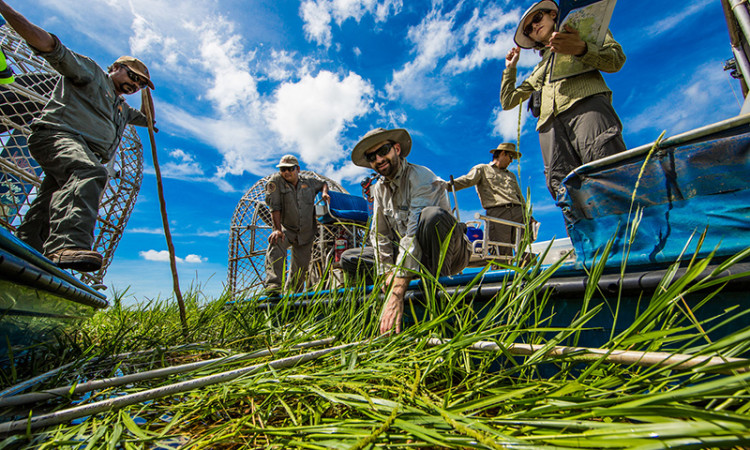
This research looked at the extent and spread of the exotic grasses para grass and olive hymenache on the floodplains within Kakadu National Park and how this is impacting on the Indigenous values of floodplains.
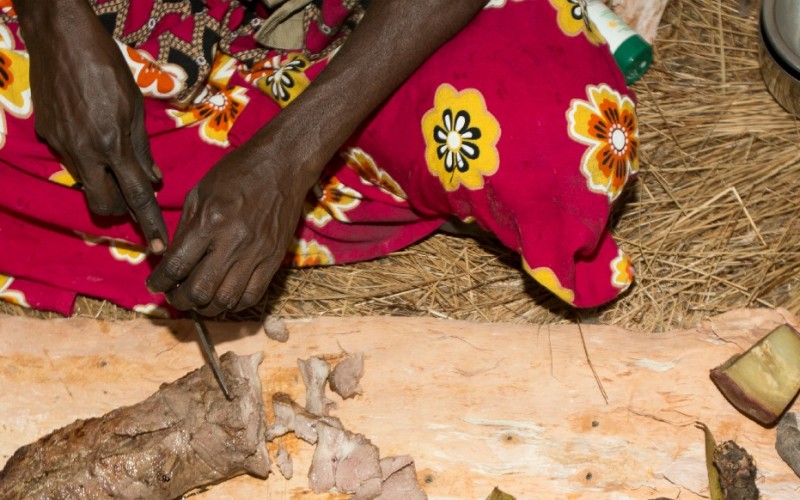
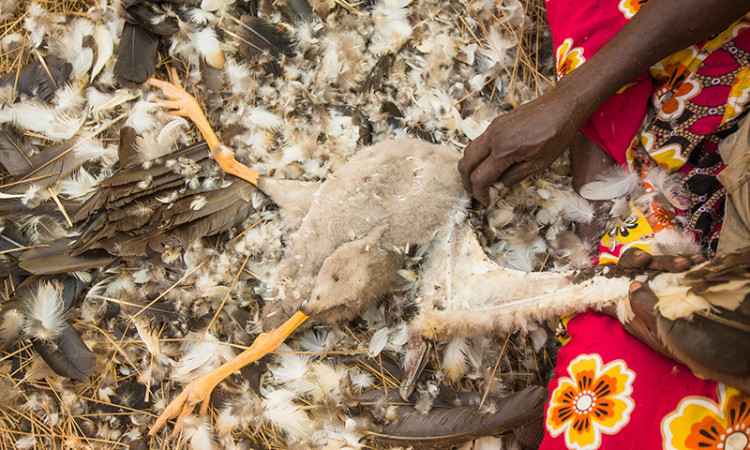
These dense weed grasses have significant negative impacts on floodplain ecosystems and negatively impact on the ability of Indigenous Traditional Owners to access floodplain resources. The research also examined a range of potential management strategies.
Info Sheet
May 2019
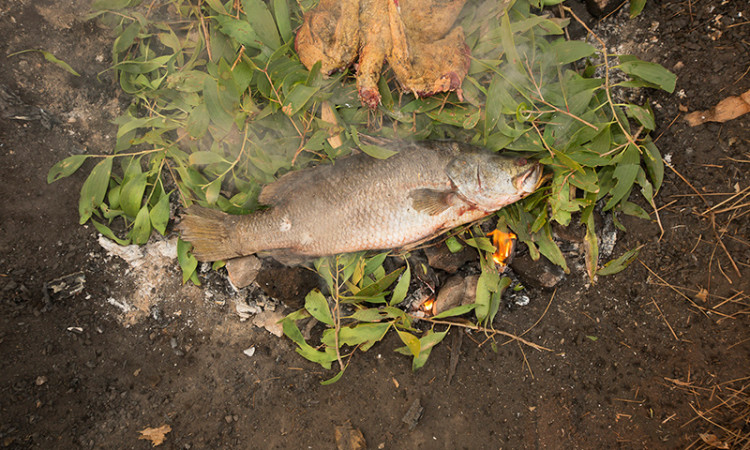
Freshwater customary harvesting practices and climate change adaptation in the Alligator Rivers region, NT (science summary)
Scientific Paper
March 2018
Conserving biodiversity and Indigenous bush tucker: Practical application of the strategic foresight framework to invasive alien species management planning (journal article)
Adams VM, Douglas MM, Jackson SE, Scheepers K, Kool JT & Setterfield SA. 2018. Conserving biodiversity and Indigenous bush tucker: Practical application of the strategic foresight framework to invasive alien species management planning. Conservation Letters e12441. https://doi.org/10.1111/conl.12441
Scientific Paper
April 2017
Understanding climate-change adaptation on Kakadu National Park, using a combined diagnostic and modelling framework: a case study at Yellow Water wetland (scientific paper)
Leo X. C., Bayliss P., McGregor S., Christophersen P., Scheepers K., Woodward E., Ligtermoet E., & Melo L.F. C. (2017). Understanding climate-change adaptation on Kakadu National Park, using a combined diagnostic and modelling framework: a case study at Yellow Water wetland. Marine and Freshwater Research 69, 1146-1158.
Scientific Paper
April 2017
An integrated risk-assessment framework for multiple threats to floodplain values in the Kakadu Region, Australia, under a changing climate (scientific paper)
Bayliss P., Finlayson C. M., Innes J., Norman-López A., Bartolo R., Harford A., Pettit N. E., Humphrey C. L., van Dam R., Dutra L. X. C., Woodward E., Ligtermoet E., Steven A., Chariton A., Williams D. K. (2017) An integrated risk-assessment framework for multiple threats to floodplain values in the Kakadu Region, Australia, under a changing climate. Marine and Freshwater Research 69, 1159-1185. https://doi.org/10.1071/MF17043
Other
October 2015
Managing weed and sea level rise threats to Kakadu’s tropical river floodplains (RipRap article)
Scientific Paper
March 2015
Dynamics of plant communities and the impact of saltwater intrusion on the floodplains of Kakadu National Park (journal article)
Scientific Paper
March 2015
Assessing sea level-rise risks to coastal floodplains in the Kakadu Region, northern Australia, using a tidally driven hydrodynamic model (journal article)
Scientific Paper
March 2015
Seasonal habitats, decadal trends in abundance and cultural values of magpie geese (Anseranus semipalmata) on coastal floodplains in the Kakadu Region, northern Australia (journal article)
Report
March 2015
Remote sensing methods to map and monitor the condition of coastal habitats and other surrogates for biodiversity – Part A: Floodplain vegetation mapping of the Kakadu National Park
Anstee, J.M, Botha, E.J., Byrne, G.T., Dyce, P. and Schroeder, T. (2015) Remote sensing methods to map and monitor the condition of coastal habitats and other surrogates for biodiversity, Part A: Floodplain vegetation mapping of the Kakadu National Park, CSIRO Oceans & Atmosphere Flagship, Australia.
The research team included scientists from Charles Darwin University, Griffith University and the CSIRO. The project was jointly led by Assoc Professor Samantha Setterfield from Charles Darwin University, Dr Sue Jackson from Griffith University and Dr Peter Bayliss from the CSIRO. The project team would like to acknowledge the support and assistance of Parks Australia staff and Northern Territory Government’s Weeds Branch.
Project Contact:
Assoc Professor Samantha Setterfield
Charles Darwin University
Samantha.Setterfield@cdu.edu.au