Project start date: 01/04/2024
Project end date: 31/03/2027
NESP funding: $512,243 (GST-exclusive)
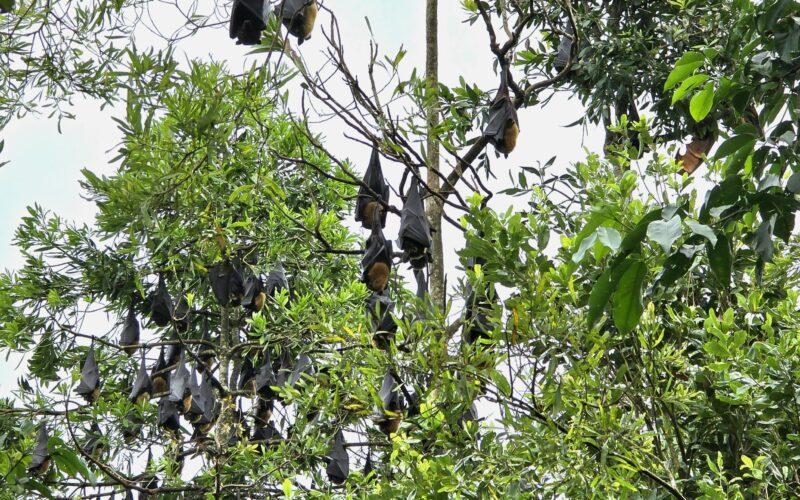
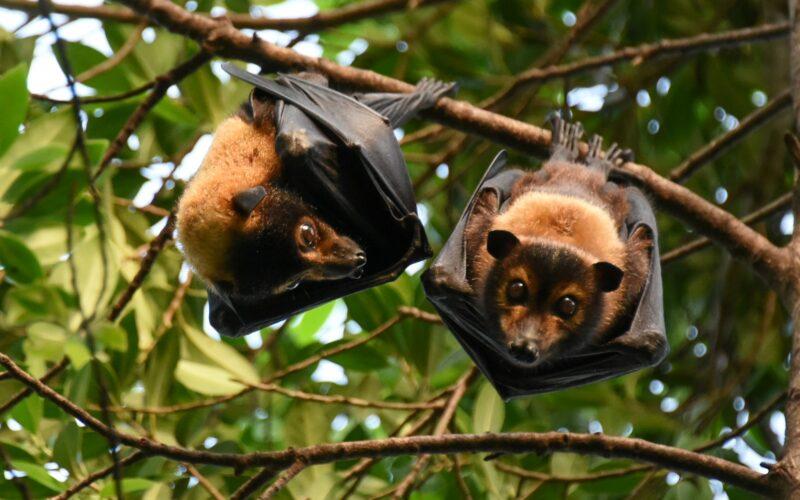
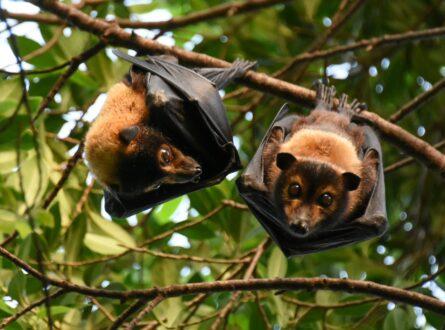
Spectacled flying-foxes play important roles in tropical forest ecosystems as key pollinators and seed dispersers. In Australia, their distribution spans across the Wet Tropics region and the rainforests of Cape York in northern Queensland.
Spectacled flying-fox populations have declined significantly due to historical habitat loss. But their most pressing and immediate threat is mass mortality associated with extreme heat. An extreme heatwave in 2018 resulted in the death of approximately one-third of the population. Since that event, spectacled flying-foxes have been listed as Endangered.
Although extreme heat events are rare phenomena in the Australian Wet Tropics region, their frequency and intensity have notably increased in the last decades.
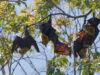
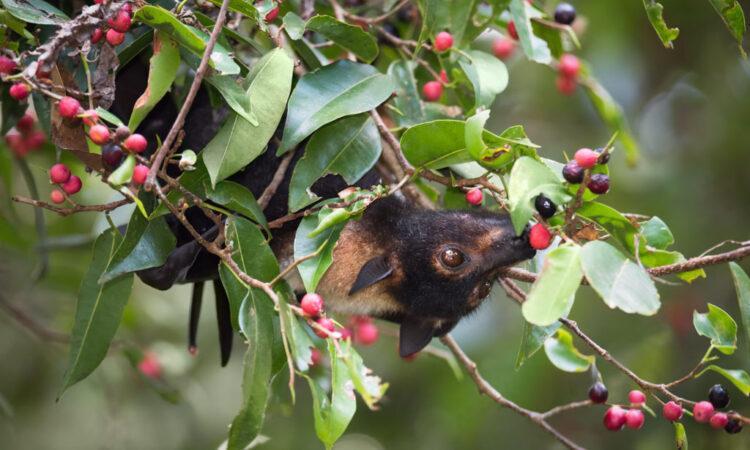
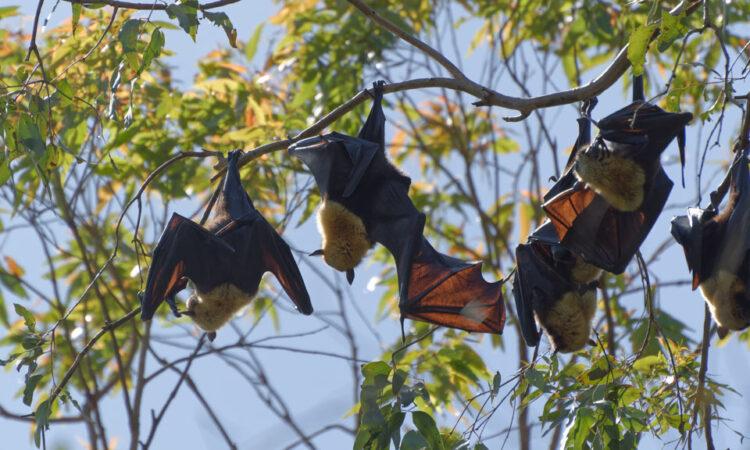
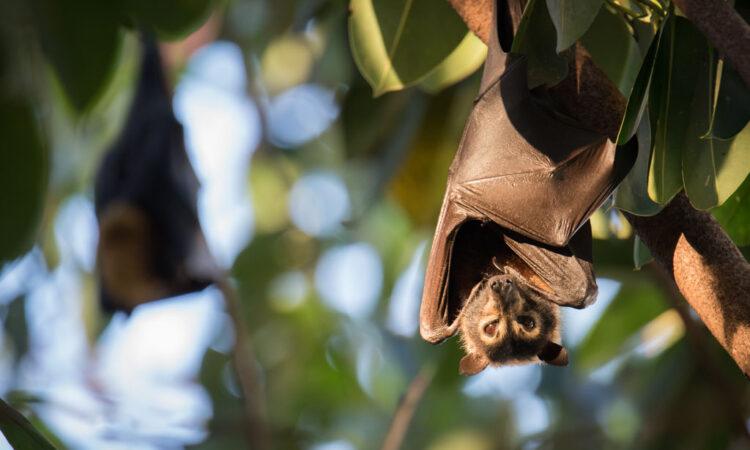
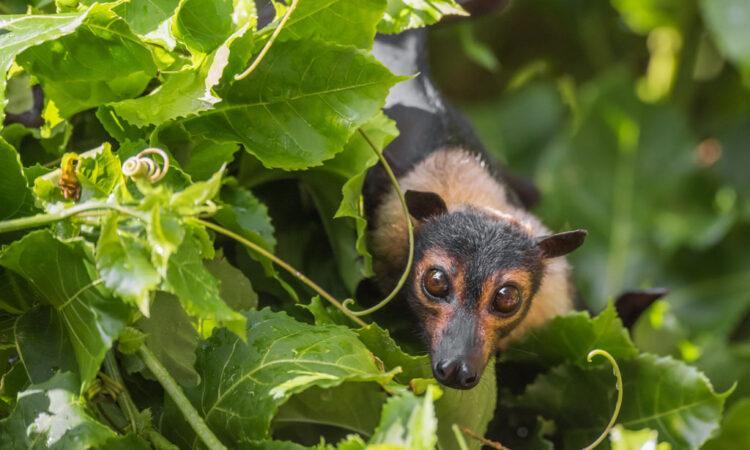
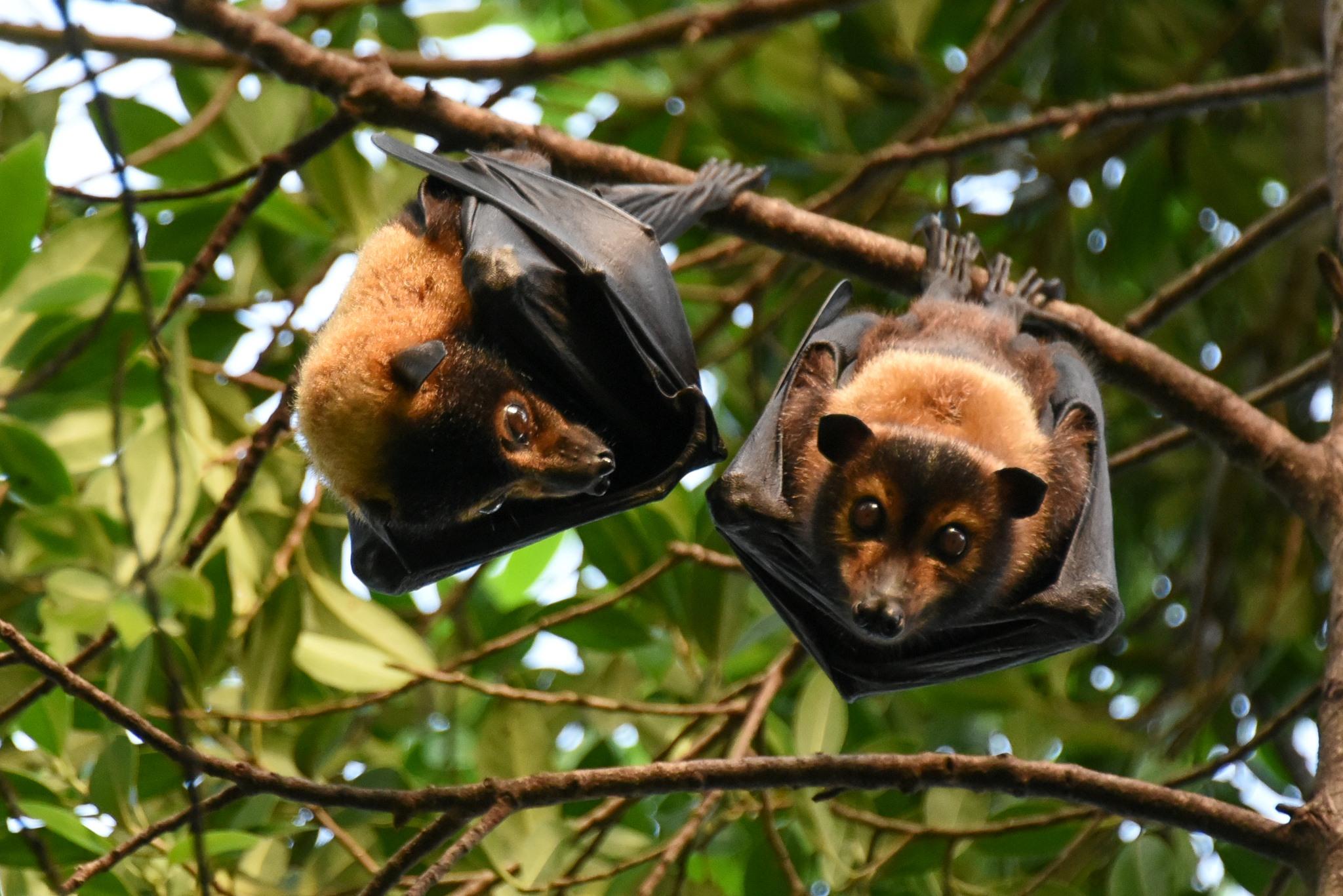 Spectacled flying foxes. Photo: rollier CC BY-NC 4.0.
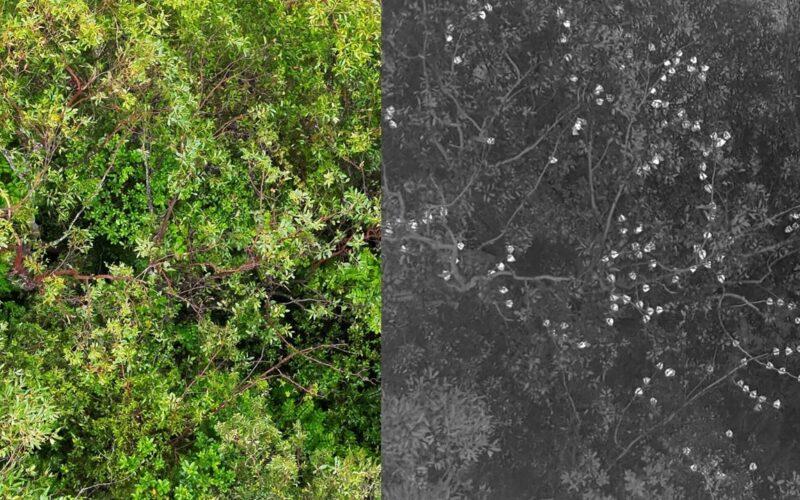
Through this project, researchers aim to better understand how heat waves affect flying-fox populations, and to forecast and identify the specific roosting sites where flying-foxes will be most vulnerable during high-risk heat events. This information will help provide actionable guidance on the most effective interventions to mitigate the impact of these extreme events.
Interventions might include misting systems, roost-exclusion measures, and targeted revegetation efforts designed to alter the thermal environment and enhance the species’ chances of survival during extreme heat events.
Key research areas
To reduce the impacts of extreme heat on spectacled flying-foxes, this project is:
Pathway to impact
This project will:

Project leaders
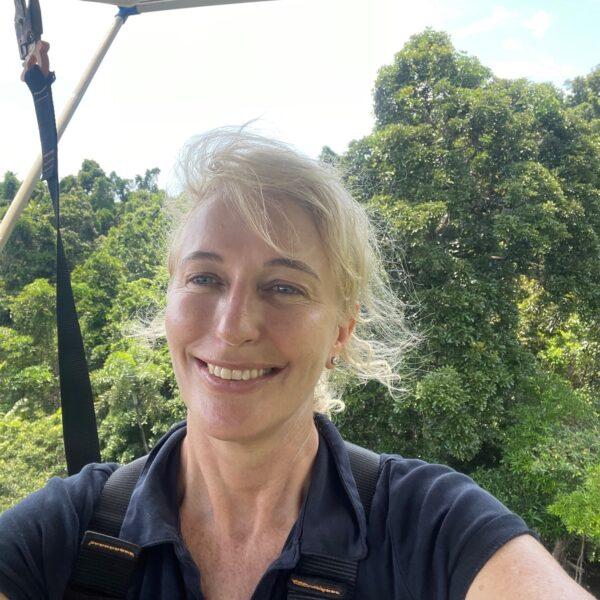
The project is being led by Professor Susan Laurance from James Cook University.
Contact
For further information, contact susan.laurance@jcu.edu.au and nesplandscapes@uwa.edu.au.
Research users
People