Project start date: 01/01/2023
Project end date: 30/12/2026
NESP funding: $785,000 (GST exclusive)
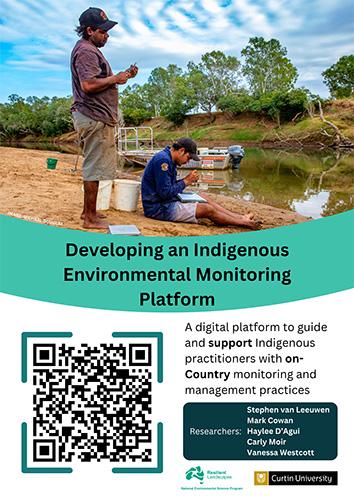
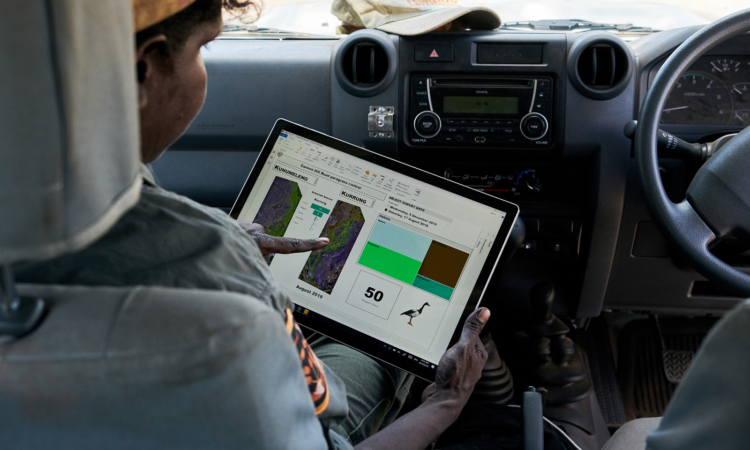
Indigenous rangers protect, manage and monitor vast areas of land and sea Country Australia-wide. However, there is limited clear guidance on which tools to use for monitoring, how to optimise monitoring methods and how to manage monitoring data while maintaining data sovereignty. This project is building a web-based platform for Indigenous Land and Sea Country managers Australia wide that:
This project was conceived in consultation with Indigenous practitioners, primarily to improve the effectiveness and efficiency of their on-Country management activities that aim to protect natural and cultural values and mitigate threats. The project is addressing deficiencies in the capture, curation, storage and analysis of information and the use of this information to report on the environmental, economic, social and cultural outcomes of on-Country activities. These issues are pivotal to ensuring ongoing support for and, ultimately, growth of Indigenous land, water and sea management programs.
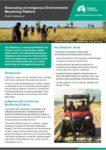
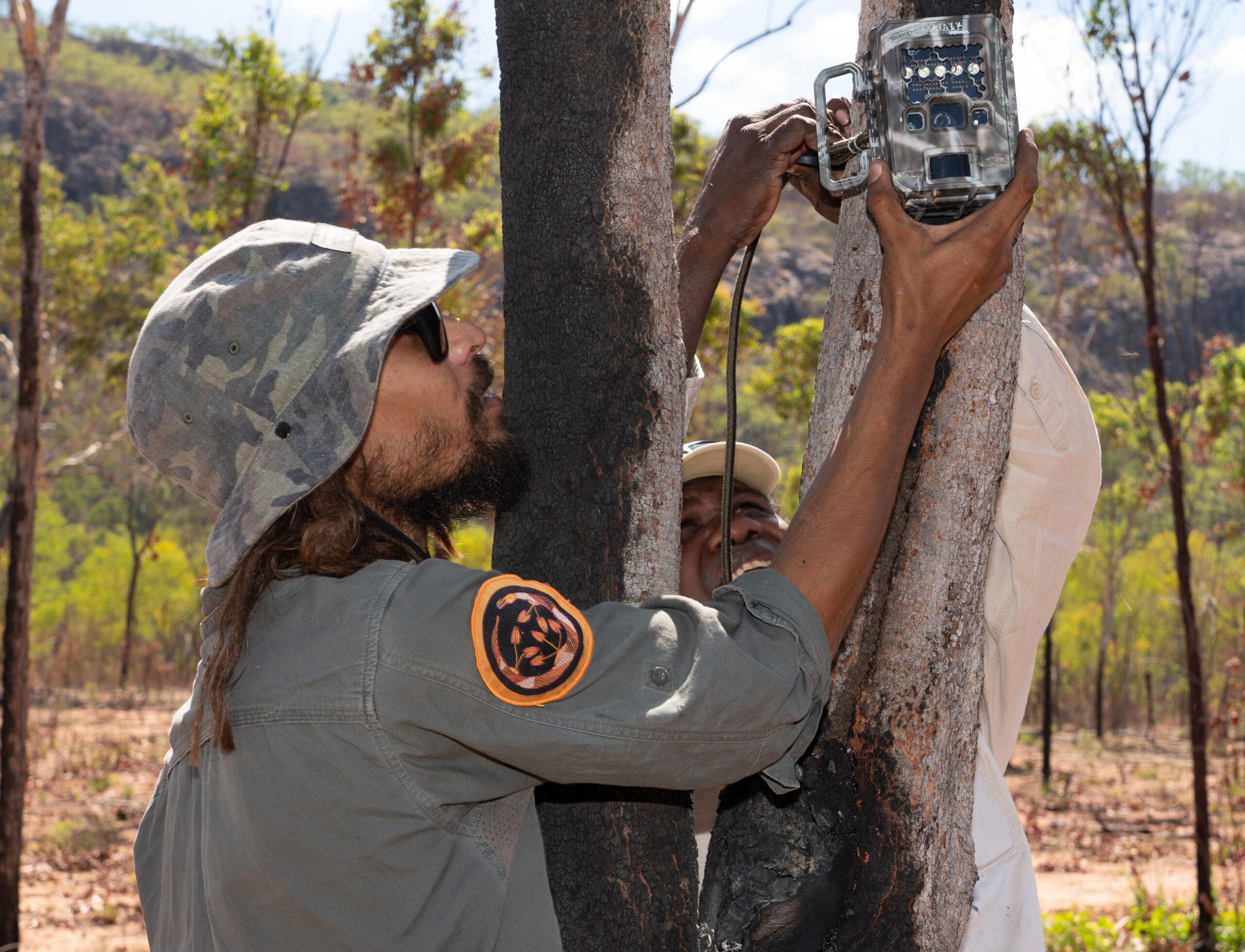
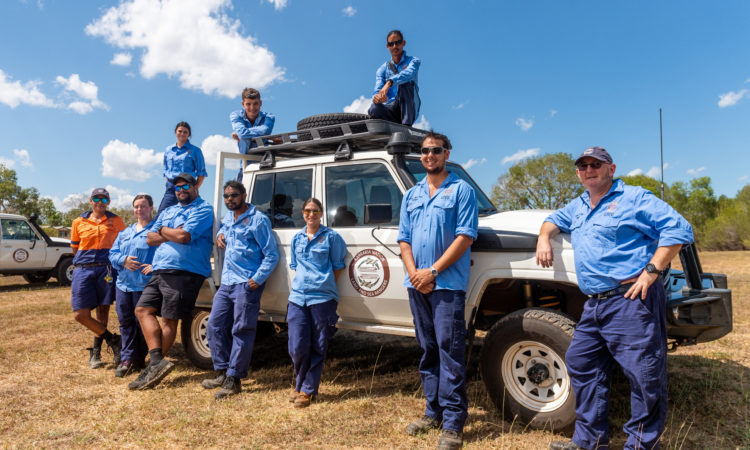
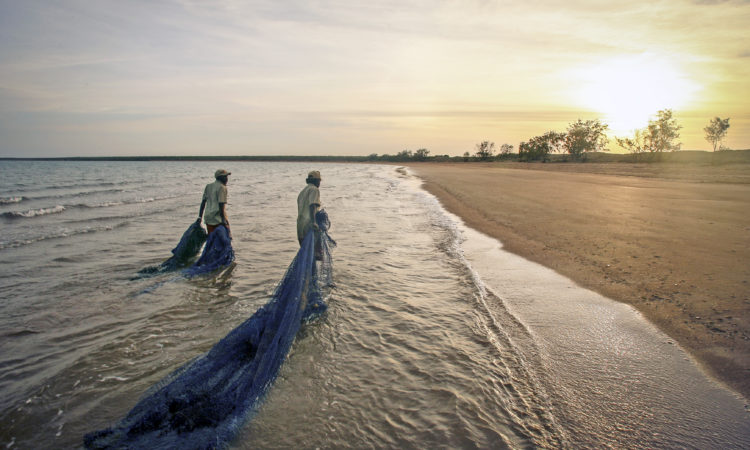
 Rangers at work on Cape York. Photo: Gina Zimny.
Key research areas
This platform will enable ranger groups and other Indigenous practitioners to produce and deliver outputs that affirm the exceptional quality and quantity of their on-ground activities. This will support the Australian Government’s objectives to continue to support and ultimately grow Indigenous ranger and associated Landcare programs. This project is doing that by:
Pathway to impact
This project will:

Project leader
The project is being led by Professor Stephen van Leeuwen from Curtin University. This project will contribute to 2 cross-cutting initiatives:
Contact
For further information, contact stephen.vanleeuwen@curtin.edu.au or nesplandscapes@uwa.edu.au.
Research users
People