Justin Perry
NAILSMA
Keywords: Feral animals, drones, UAVs, UAV, RPAs, RPA, remotely piloted aircraft, scorecards, report cards, report card, environmental report cards, quality assessment, feral pigs, ferals, feral pig, foxes, turtles, turtle nesting, Indigenous Rangers, Cape York, Cape York Peninsula, Traditional Owners, water lillies, crocodile eggs, crocodile egg harvesting, traditional resources, feral animal management, native species, threatened species,
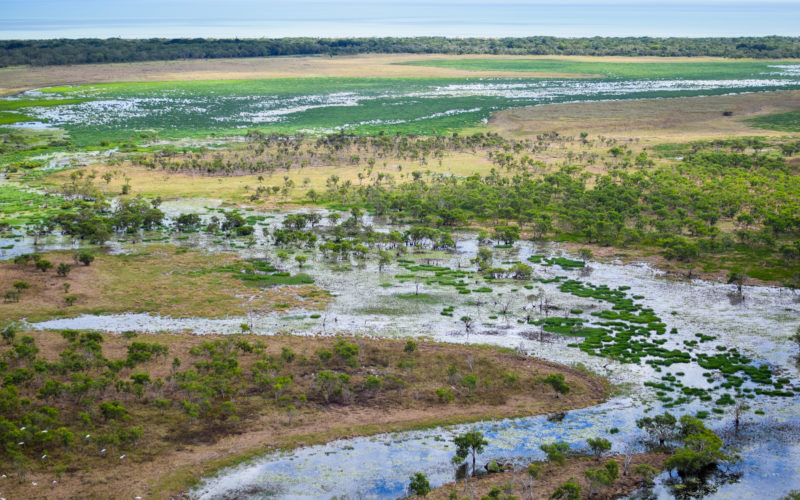
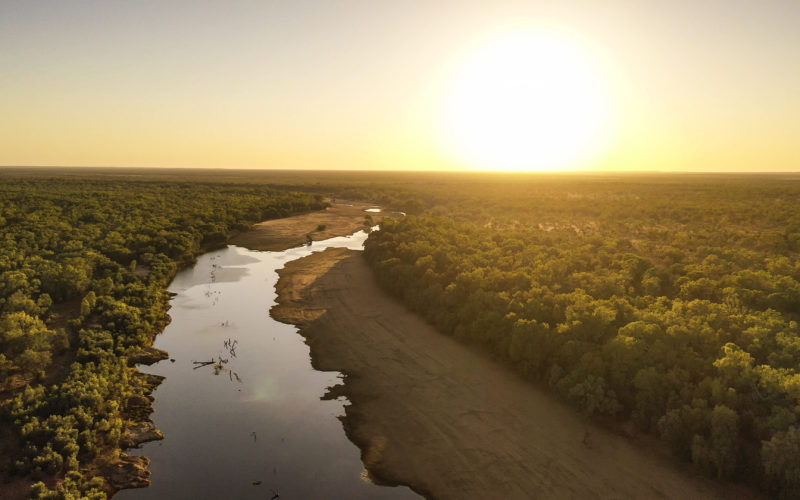
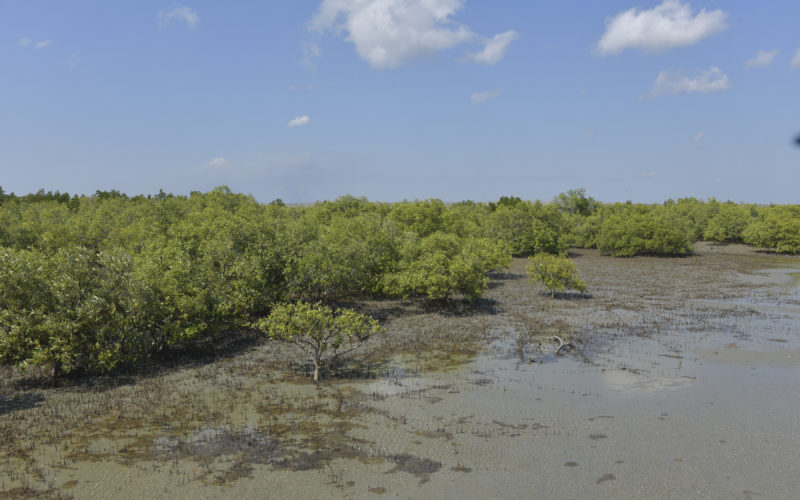
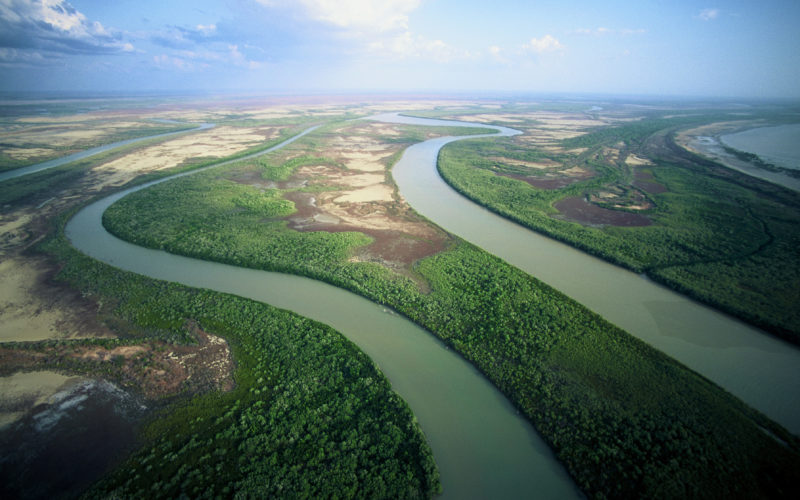
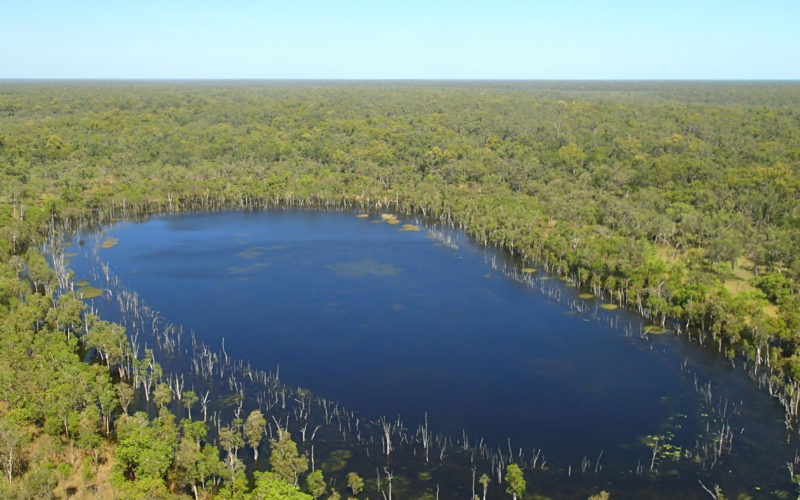
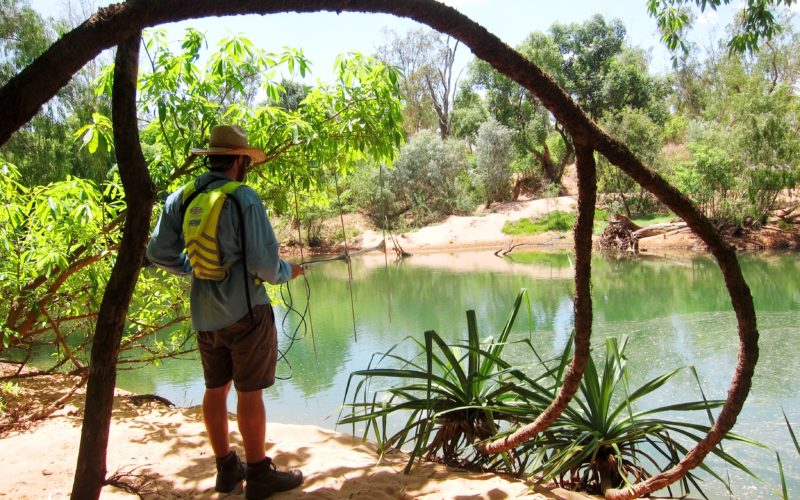
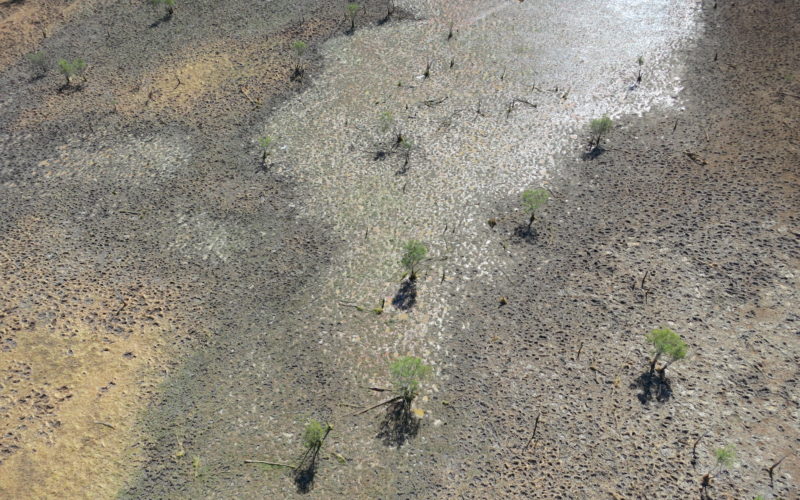
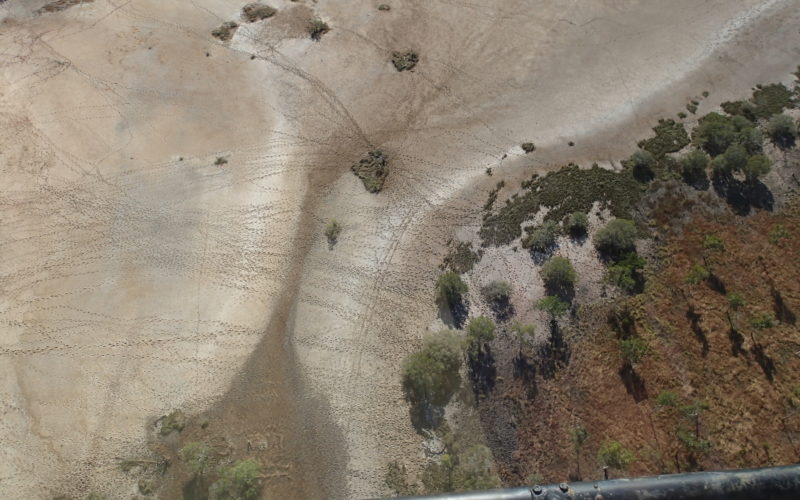
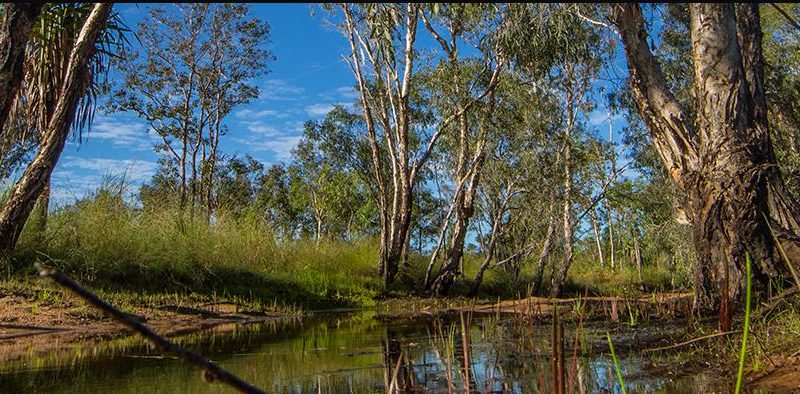
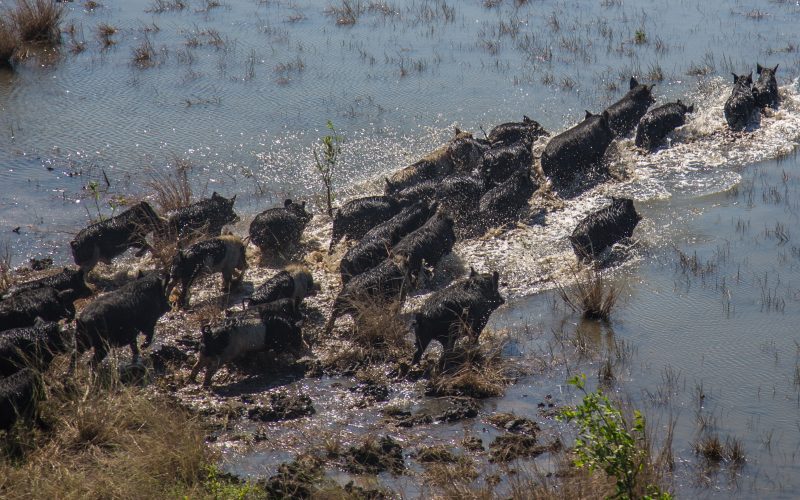
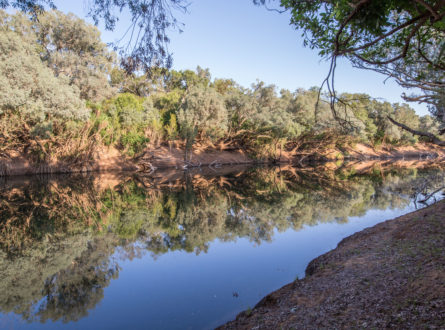
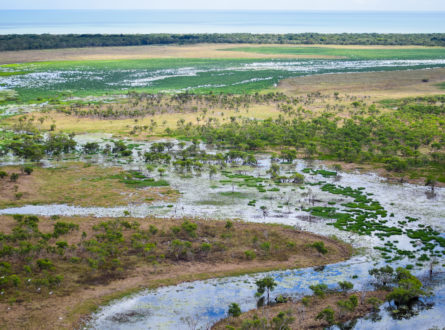
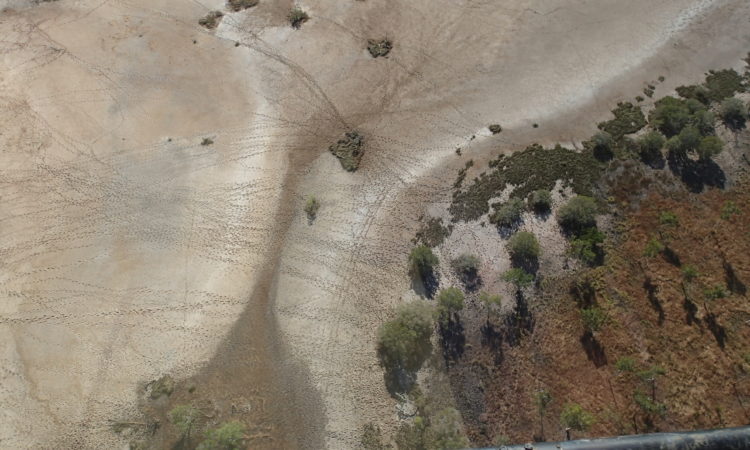
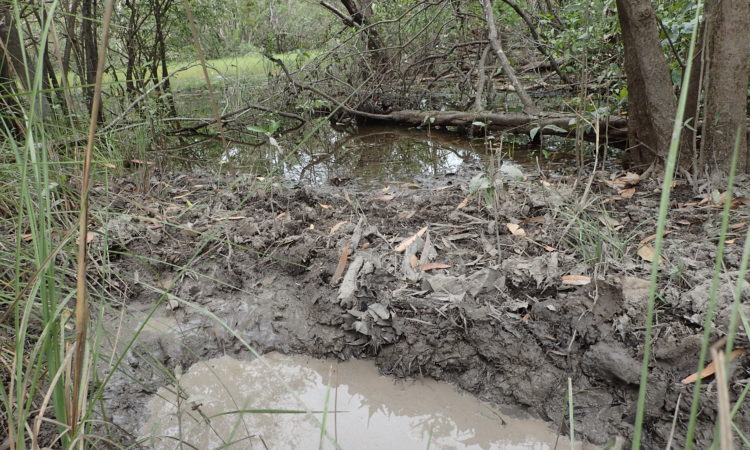
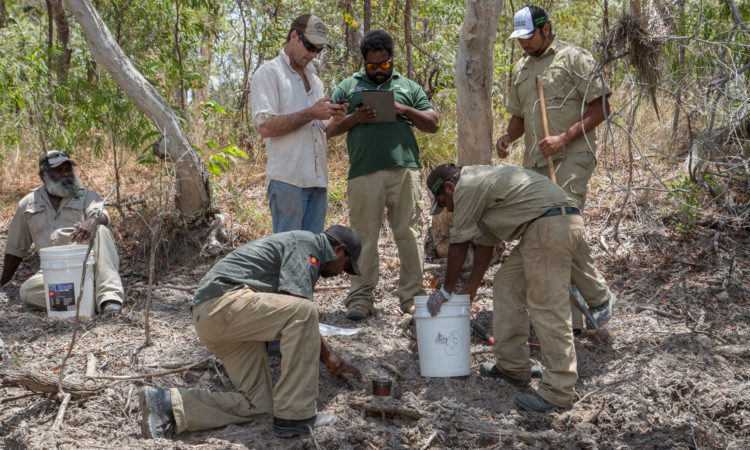
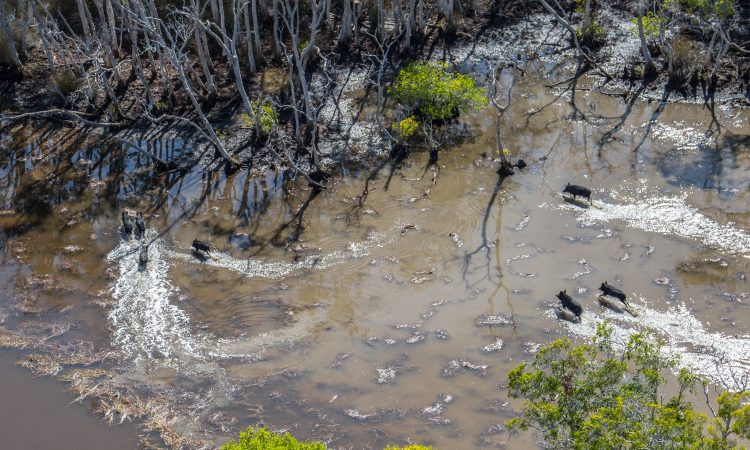
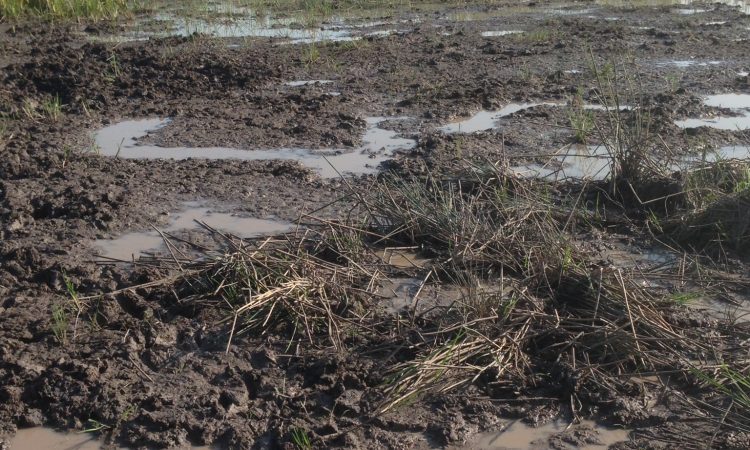
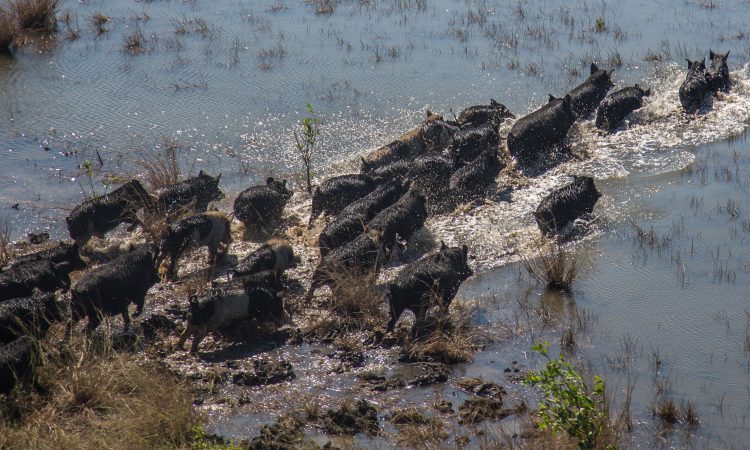
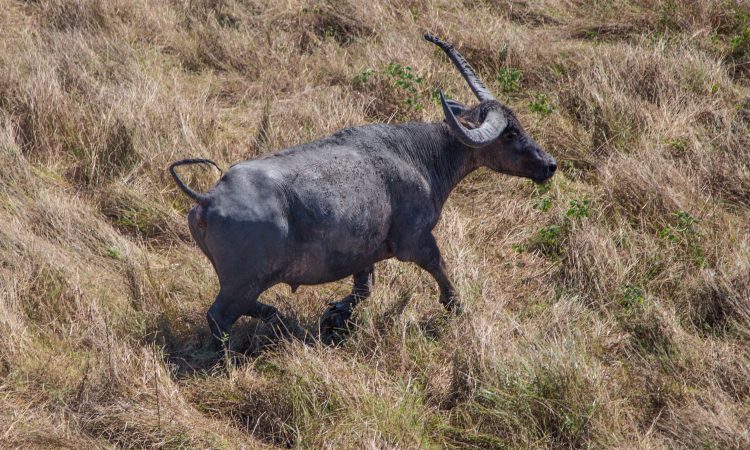
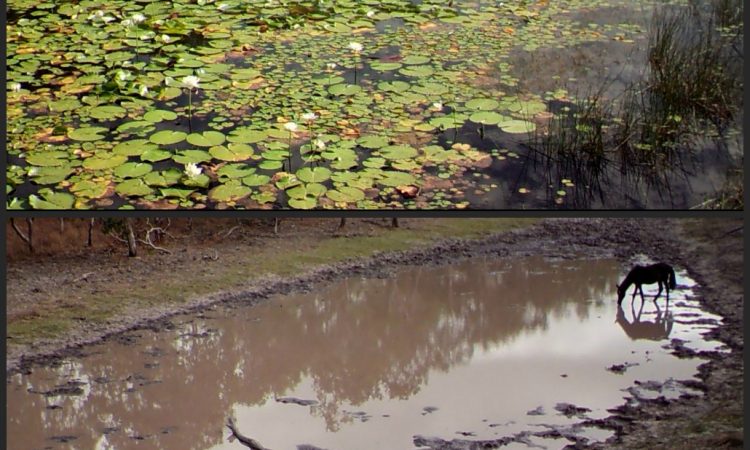
In northern Australia, there is growing recognition of the importance of wetlands to biodiversity and ecosystem health, along with their cultural value to Indigenous communities. Feral pigs and cattle pose significant threats to wetland system ecology and biodiversity through negative impacts on wetland vegetation assemblages, biological communities and water quality.
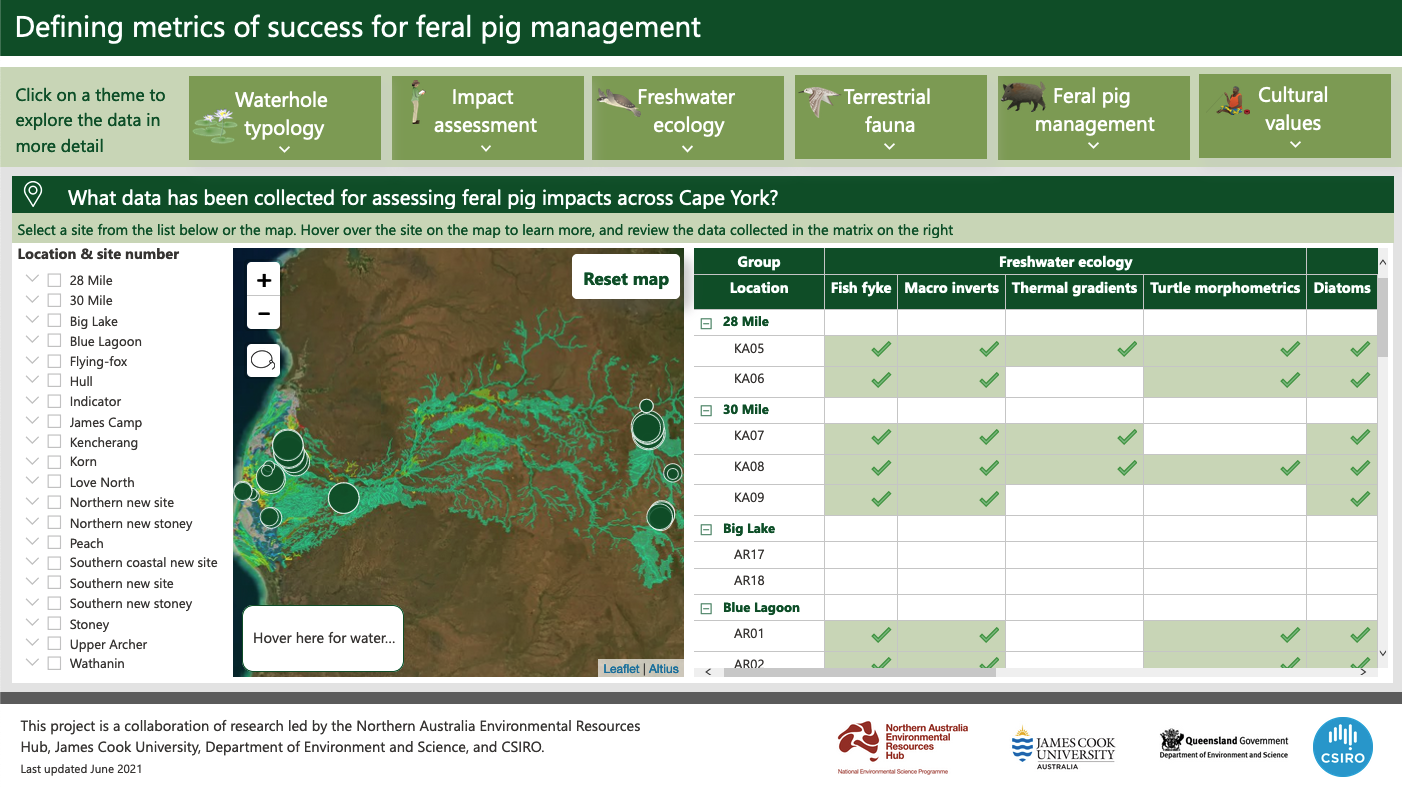
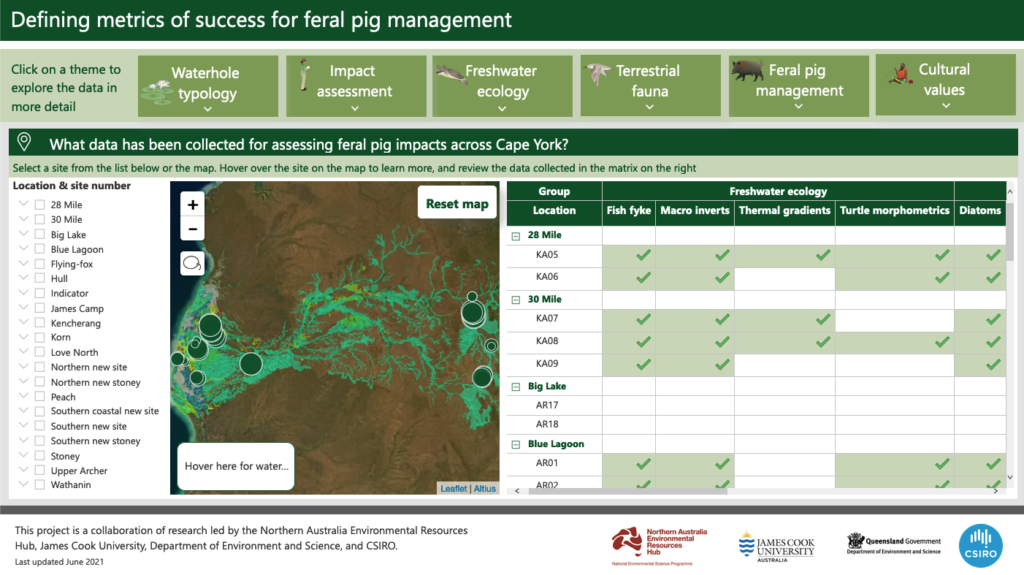
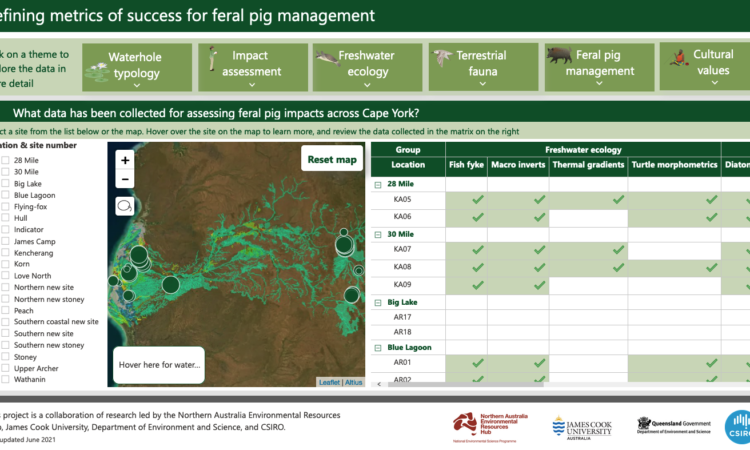
In this project, we quantified the impact of feral species on wetland condition, the effectiveness of control measures on mitigating the threats to aquatic systems, and the subsequent impact on cultural wetland values. To do this, we defined, evaluated and calibrated metrics used to describe the impacts.
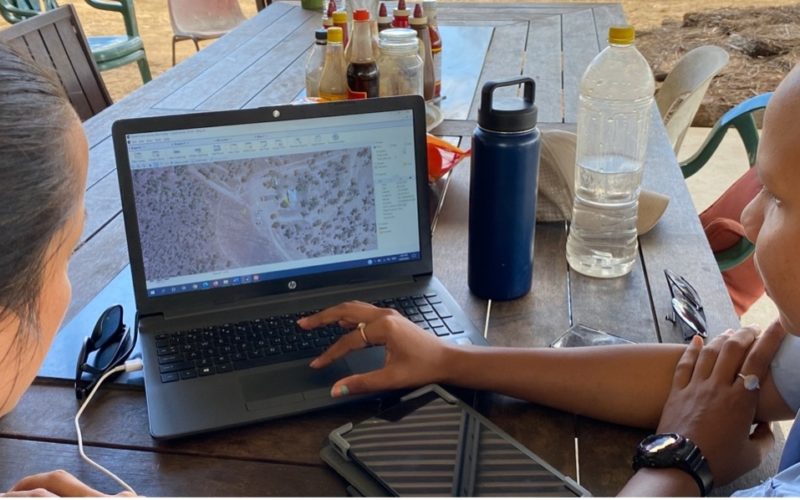
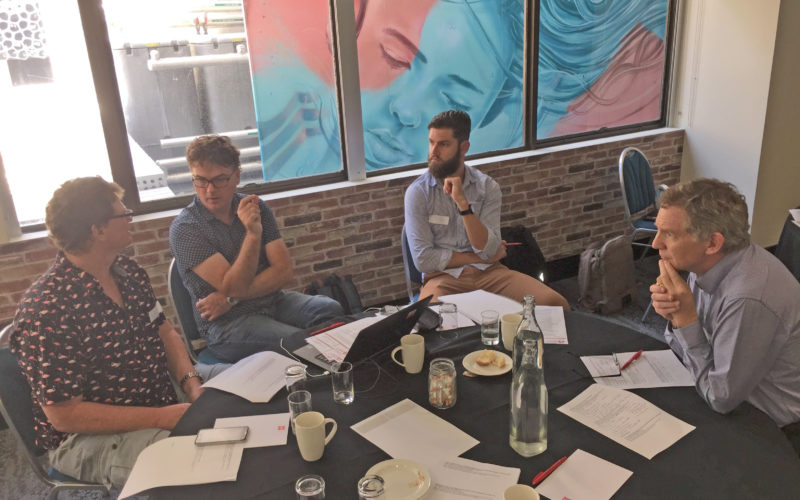
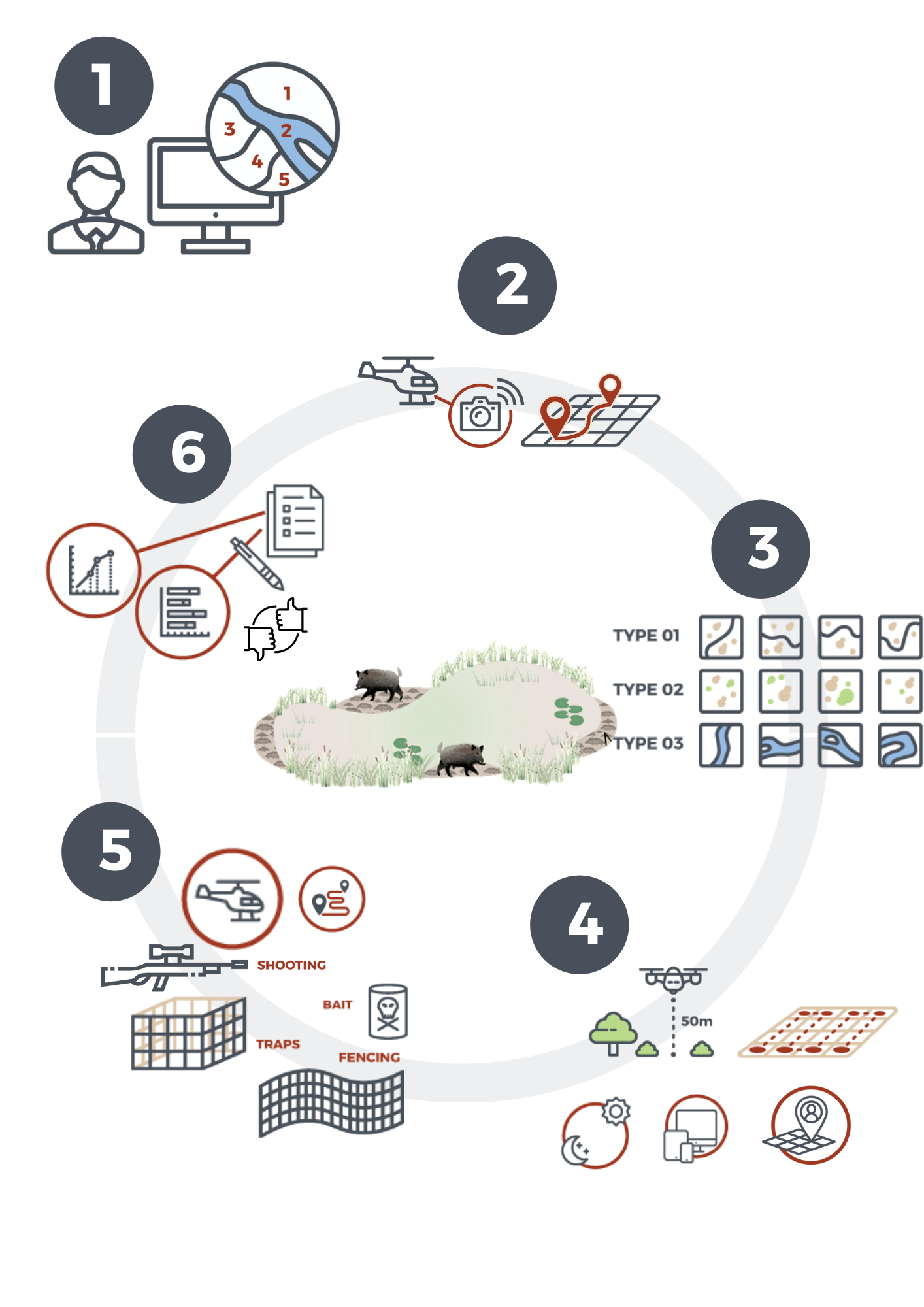
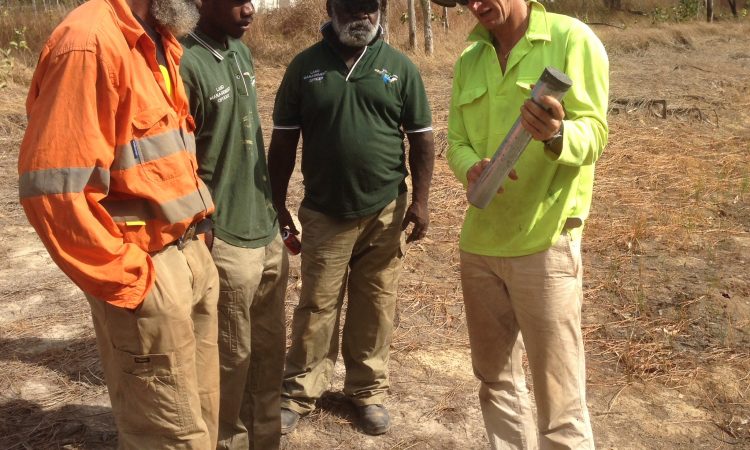
To capture the complexity of metrics that describe both biophysical and cultural impacts of feral pig management, a collaborative team of ecologists, human geographers, Traditional Owners and land managers developed an integrated monitoring and reporting framework to monitor and report on wetland biophysical values with cultural ecosystem services research. The framework, which strongly emphasises embedding cultural values and supporting Indigenous-led management and planning, enables the comparison of investment in control, with consequent impacts on environmental values.
The project had five general components:
Project outputs can be used by land managers to identify priority wetlands for targeted management while providing a means to evaluate the impact of current feral species management. The monitoring methodologies are replicable and allow land managers to review change over time. The establishment of new wetland typologies supersedes old typologies that didn’t support the modelling of feral pig data and omitted cultural values. Cost–benefit analysis of select control methods for feral pigs enables the comparison of investment against impacts, supporting better future decision making for land managers.
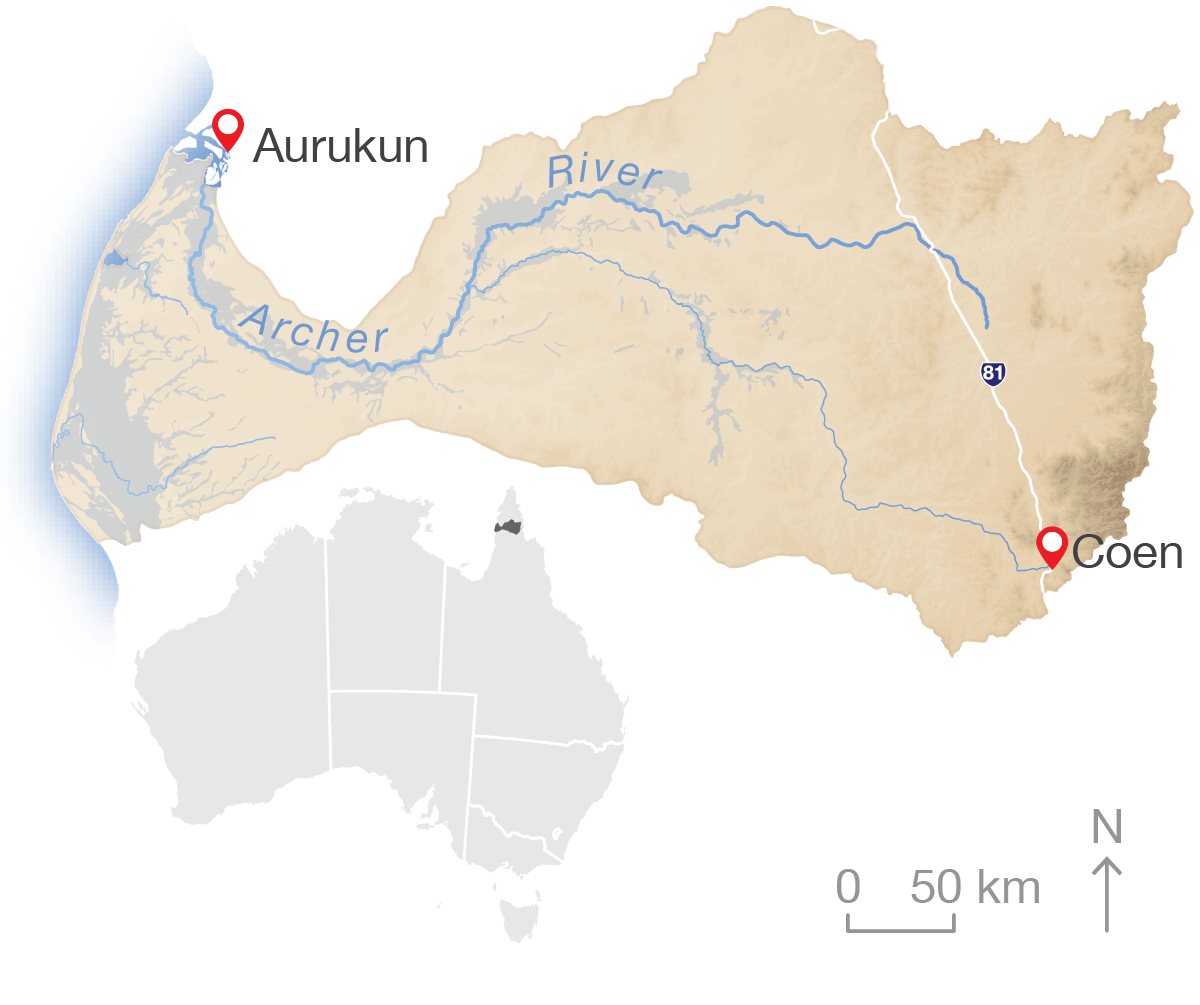
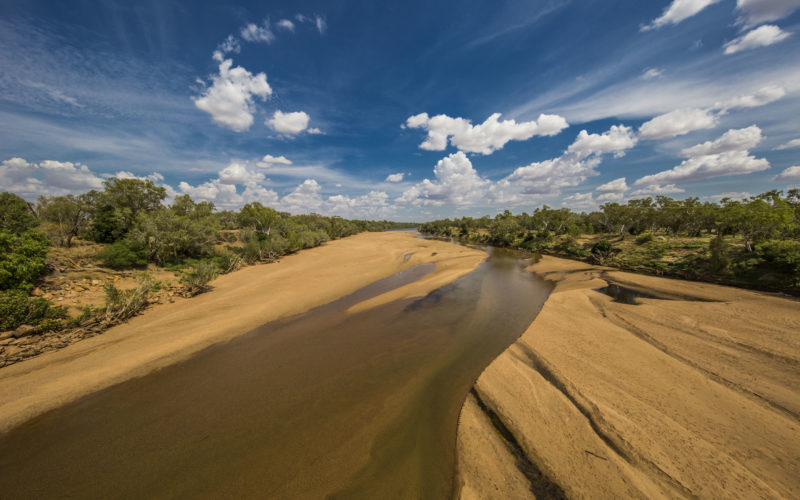
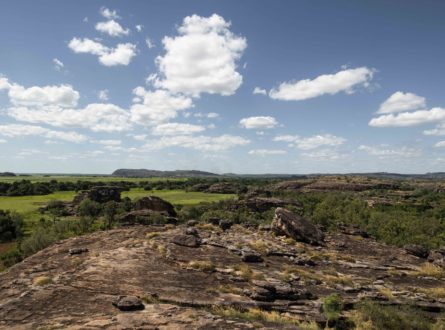
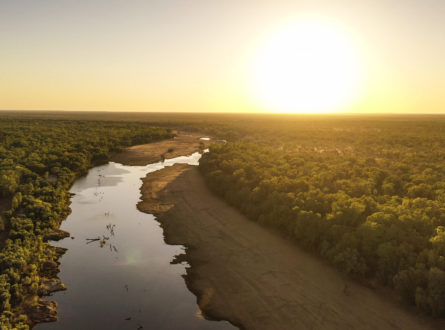
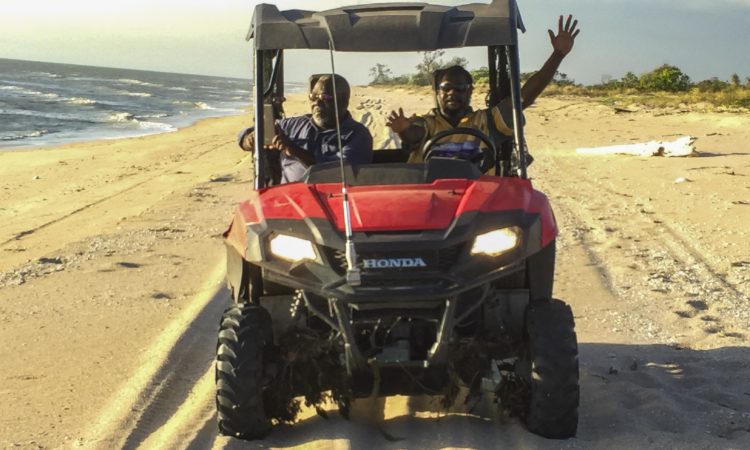
This research took place in the Archer River basin in north Queensland but the adaptive management framework proposed here can be used across northern Australia.


Scientific Paper
February 2023
Applying a versatile, comprehensive, attribute-based waterhole classification scheme to ecosystem-based management challenges (scientific paper)
Glanville K, Perry J, Ryan T, Ronan M and Zivec P (2023) 'Applying a versatile, comprehensive, attribute-based waterhole classification scheme to ecosystem-based management challenges', Wildlife Research, doi:10.1071/WR22027.
Report
July 2022
Northern Hub Final Report 2021
Northern Australia Environmental Resources Hub. 2021. Northern Australia Environmental Resources Hub Final Report. Charles Darwin University, Darwin.
Scientific Paper
April 2022 | Open Access
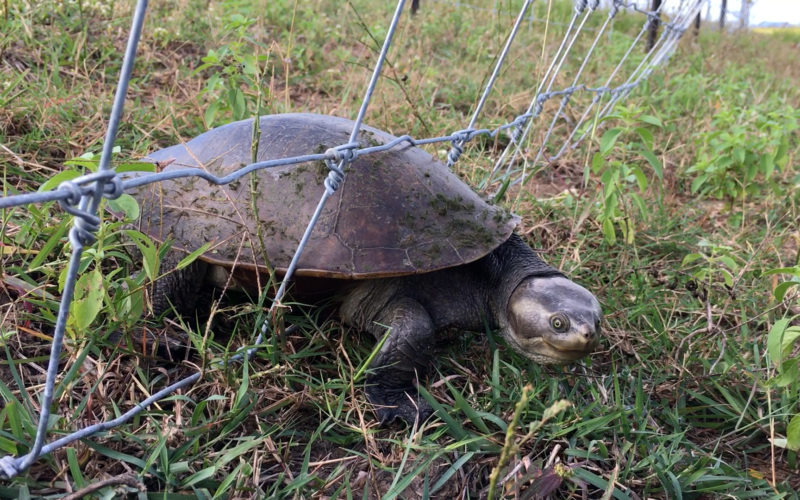
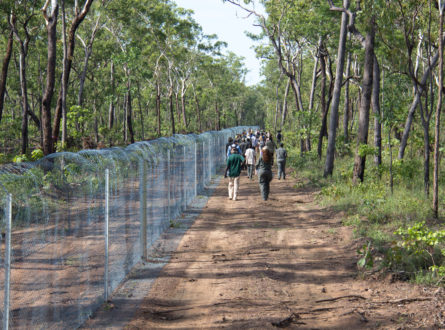
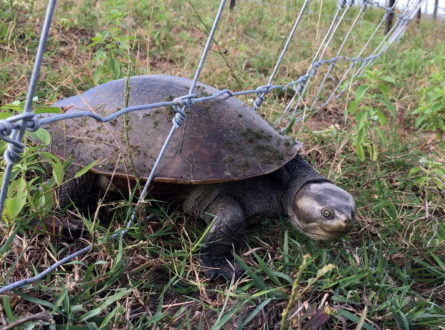
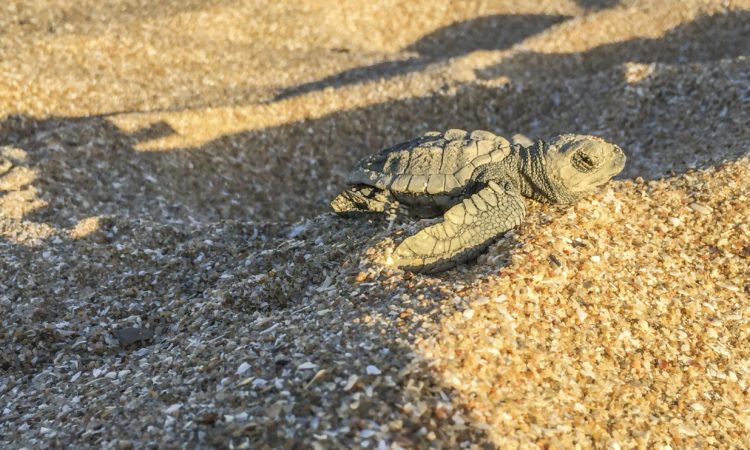
Simple fence modification increases floodplain land movement prospects for freshwater turtles (scientific paper)
Waltham NJ, Schaffer J, Walker S, Perry J and Nordberg E (2022) ‘Simple fence modification increases land movement prospects for freshwater turtles on floodplains’, Wildlife Biology, e01012, https://doi.org/10.1002/wlb3.01012.
Impact Storie
March 2022
New approaches for monitoring and communicating about environmental resources (thematic impact story)
Video
February 2022
Managing feral pigs on Cape York Peninsula (impact video)
Video
February 2022
Gulf of Carpentaria research overview (video)
Report
November 2021
Defining metrics of success for feral animal management in northern Australia (final report)
Perry, J. Waltham, N., Schafer, J., Marshall, J., Negus, P., Steward, A., Blessing, J., Clifford, S., Ronan, M., Glanville, K., Lyons, P., Vanderduys, E., Macdonald, S., Hoskins, A., Robinson, C., Nordberg, E., and Wilson, S. 2021. Defining metrics of success for feral animal management in northern Australia. CSIRO, Australia.
Scientific Paper
October 2021 | Open Access
Will fencing floodplain and riverine wetlands from feral pig damage conserve fish community values? (scientific paper)
Waltham, N. J., & Schaffer, J. (2021). Will fencing floodplain and riverine wetlands from feral pig damage conserve fish community values? Ecology and Evolution, 00, 1– 13. https://doi.org/10.1002/ece3.8054
Video
August 2021
NESP Northern Hub wrap-up video
Video
June 2021
Kakadu & Cape York NESP teams iAwards (video)
Other
June 2021
Queensland Waterhole Classification Scheme (Department of Environment and Science, Queensland)
Department of Environment and Science 2020. The Queensland Waterhole Classification Scheme. Brisbane: Queensland Wetlands Program, Queensland Government.
Impact Storie
May 2021
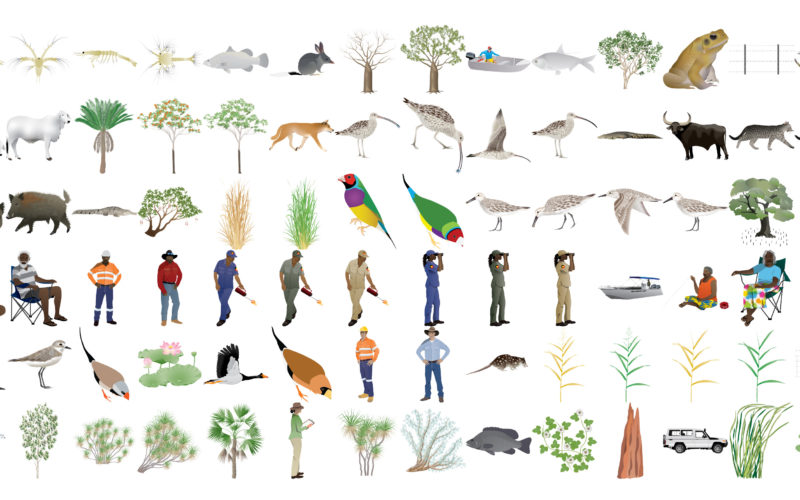
Engagement is a two-way street: Creating symbols for science communication (impact story 2020)
Impact Storie
May 2021
Using AI to protect baby turtles from feral pigs (impact story 2020)
Other
March 2021
More Than Words (CSIRO Double Helix article Jan 2021)
Video
February 2021
A.I. Technology boosting fledgling turtle survival on Cape York (video)
Video
February 2021
Teaming up for turtles (video)
Other
November 2020
NESP State & Territory showcase (2020)
Scientific Paper
October 2020
Epigeic invertebrates of pig‐damaged, exposed wetland sediments are rooted: An ecological response to feral pigs (Sus scrofa) (scientific paper)
Marshall, J.C., Blessing, J.J., Clifford, S.E., Negus, P.M., & Steward, A.L. (2020). Epigeic invertebrates of pig‐damaged, exposed wetland sediments are rooted: An ecological response to feral pigs (Sus scrofa). Aquatic Conservation: Marine and Freshwater Ecosystems. 2020; 1– 14. https://doi.org/10.1002/aqc.3468
Impact Storie
August 2020
Managing feral pigs on Cape York (impact story 2019)
Scientific Paper
August 2019 | Open Access
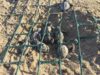
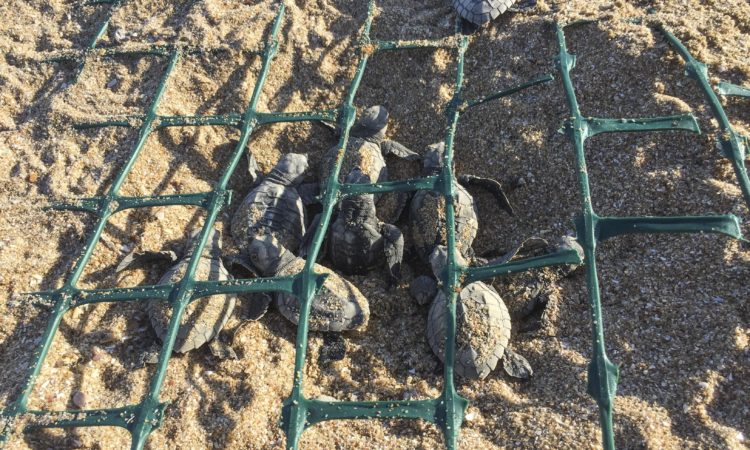
An evaluation of nest predator impacts and the efficacy of plastic meshing on marine turtle nests on the western Cape York Peninsula, Australia (scientific paper)
Nordberg, E.J., Macdonald, S., Zimny, G., Hoskins, A., Zimny, A., Somaweera, R., Ferguson, J. & Perry, J. (2019). An evaluation of nest predator impacts and the efficacy of plastic meshing on marine turtle nests on the western Cape York Peninsula, Australia. Biological Conservation, Volume 238, 2019, 108201, ISSN 0006-3207, https://doi.org/10.1016/j.biocon.2019.108201.
Impact Storie
June 2019
Reconnecting with Country through collaborative research (impact story)
Scientific Paper
June 2019
No sitting on the fence: protecting wetlands from feral pig damage by exclusion fences requires effective fence maintenance (scientific paper)
Negus, P.M., Marshall, J.C., Clifford, S.E., Blessing, J.J. & Steward, A.L. (2019). No sitting on the fence: protecting wetlands from feral pig damage by exclusion fences requires effective fence management. Wetlands Ecology & Management https://doi.org/10.1007/s11273-019-09670-7
Info Sheet
November 2018
Defining metrics of success for feral animal management in northern Australia (project update Oct 2018)
Scientific Paper
November 2018
Thermal and asphyxia exposure risk to freshwater fish in feral-pig-damaged tropical wetlands (scientific paper)
Waltham, N., & Schaffer, J. (2018). Thermal and asphyxia exposure risk to freshwater fish in feral‐pig‐damaged tropical wetlands. Journal of Fish Biology, 93(4), 723-728.
Other
October 2018
Indigenous science partnerships (brochure)
Impact Storie
October 2018
Working with government staff (impact story)
Impact Storie
October 2018
Science and community collaboration (impact story)
Presentation
April 2018
Defining metrics of success for feral animal management in northern Australia (presentation)
Other
May 2017
North Queensland research overview (brochure Mar 2019)
Info Sheet
November 2016
Defining metrics of success for feral animal management in northern Australia (project start-up factsheet)
The project was led by Dr Justin Perry from CSIRO. Dr Perry was supported by researchers from CSIRO, James Cook University and the Queensland Government.
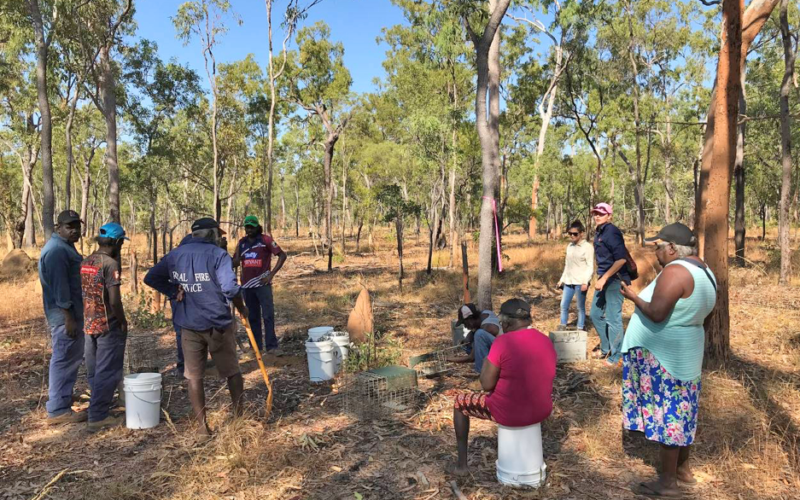
Kalan Enterprises, Aak Puul Ngantam (APN Cape York) and Balkanu were essential project collaborators on this project. They conducted extensive feral animal management activities in the region over two years as part of their funding through the Balkanu Feral Pig Management project, Nest To Ocean, Working On Country and Queensland Land and Sea Management funding.
This project was completed in June 2021.
Contact
Justin Perry, CSIRO
justin.perry@csiro.au



NAILSMA
Key Researcher
DESI (Queensland Government)
DES (Queensland)
James Cook University
DES (Queensland)
DESI (Queensland)
DESI (Queensland)