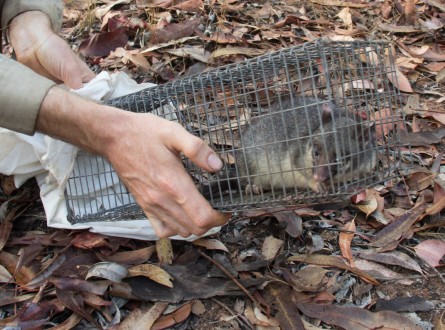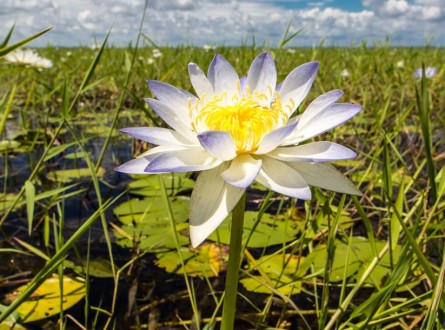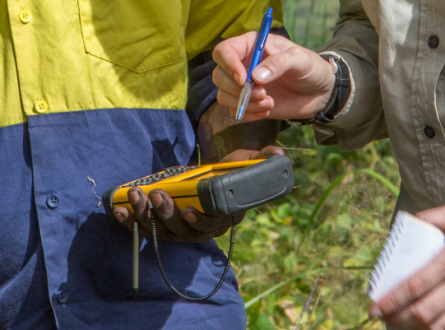
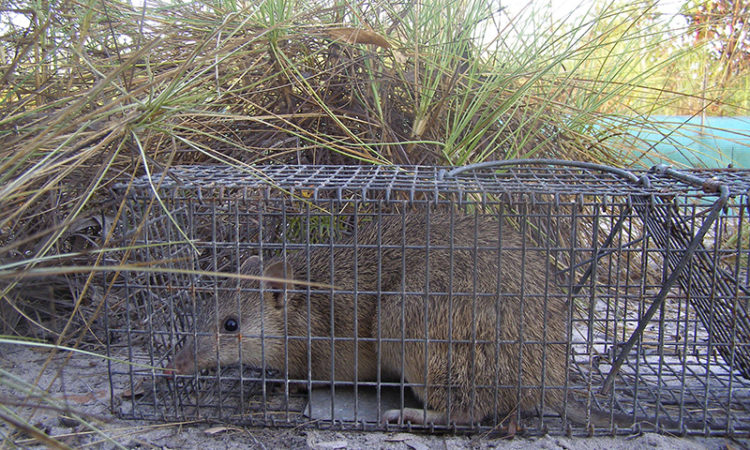
This project it sought to develop practical and scientifically robust wildlife survey methods that can be implemented by Indigenous land managers in order to support improved biodiversity conservation outcomes on Indigenous managed lands in northern Australia.
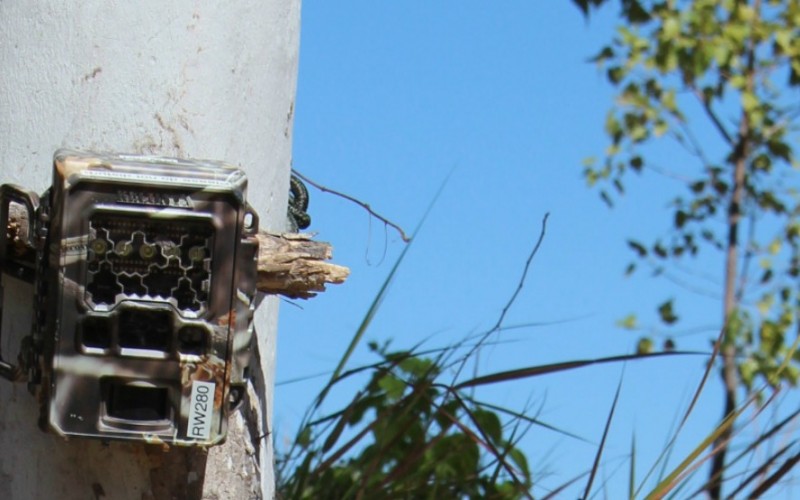
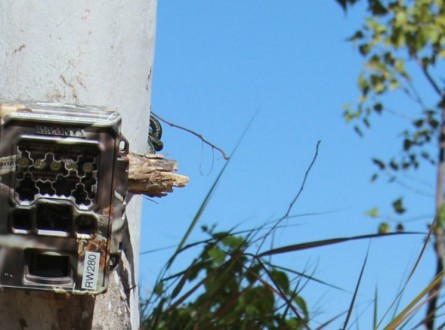
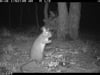
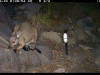
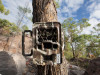
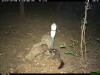
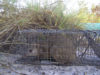
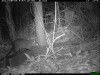
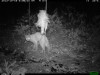
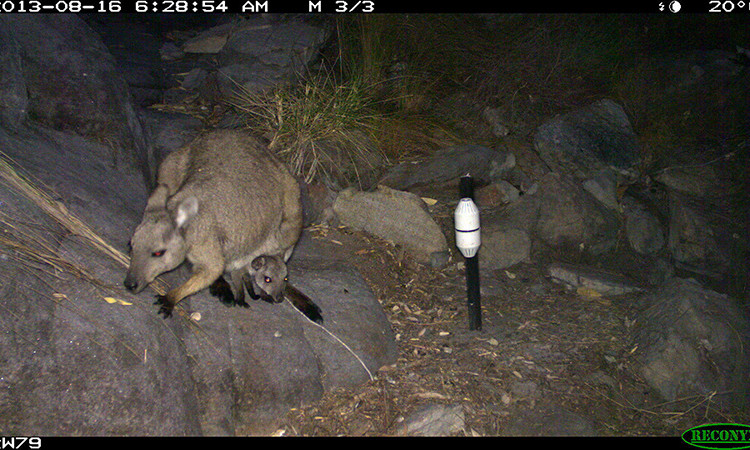
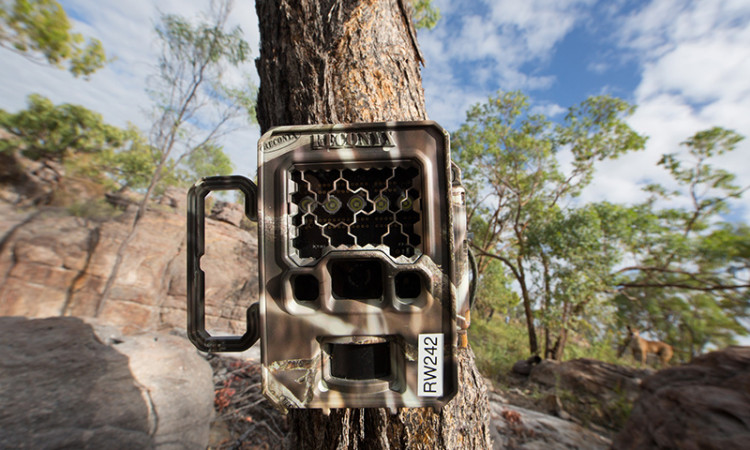
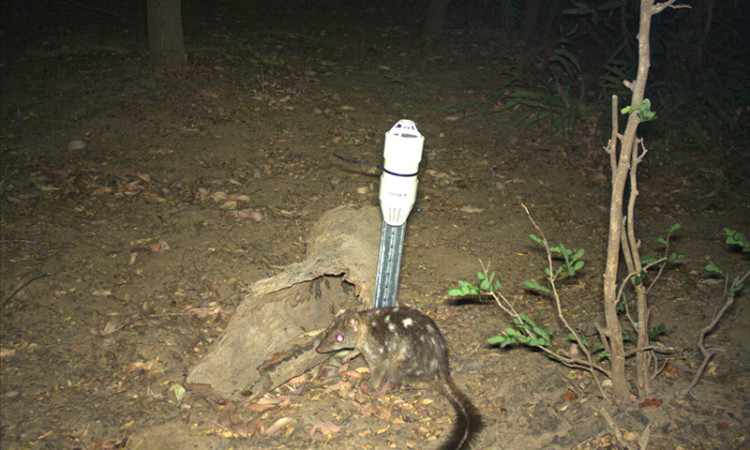
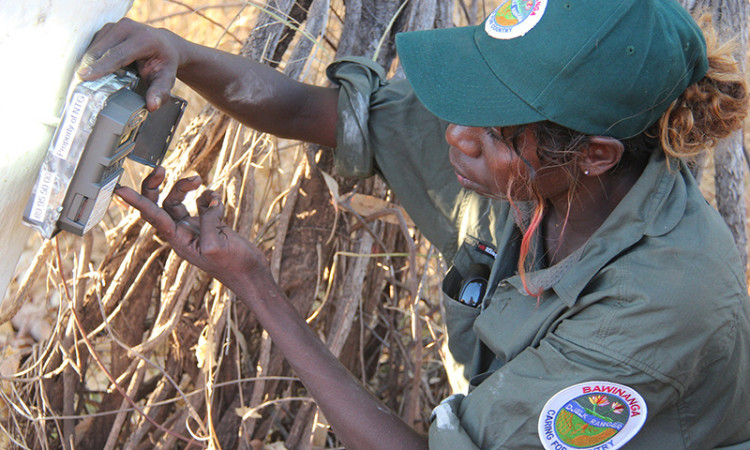
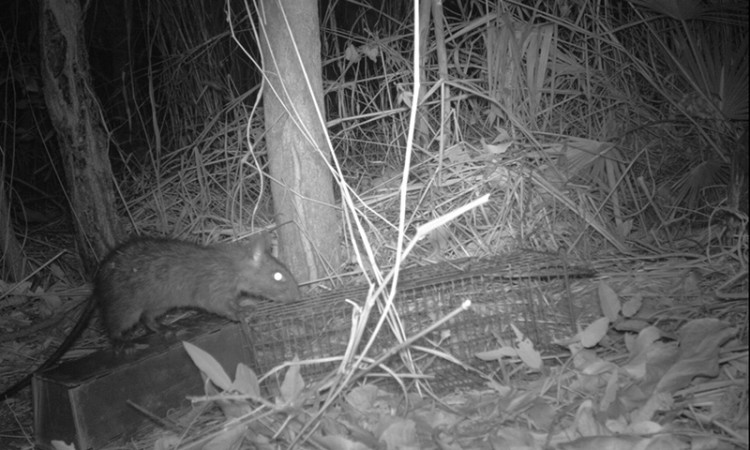
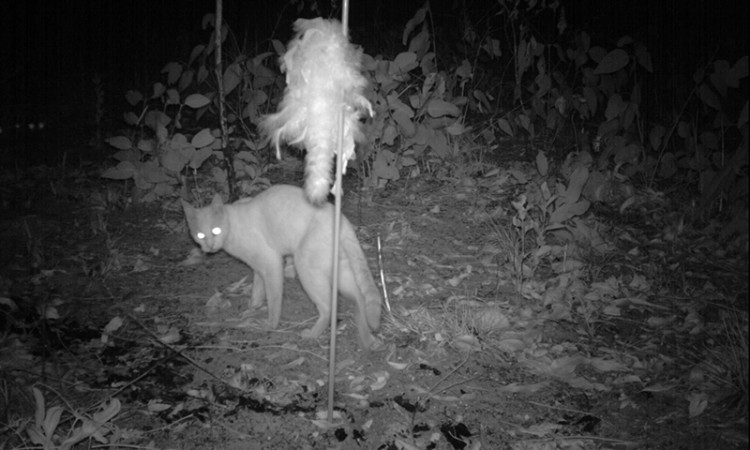
The main method developed was a protocol for the use of motion detection cameras in terrestrial wildlife surveys. The use of motion detection cameras as a wildlife survey method is growing in popularity among Indigenous and other land management groups across northern Australia. Motion detection cameras are an efficient means of collecting data over long periods of time, with minimal input of labour and minimal stress to the animals being surveyed.
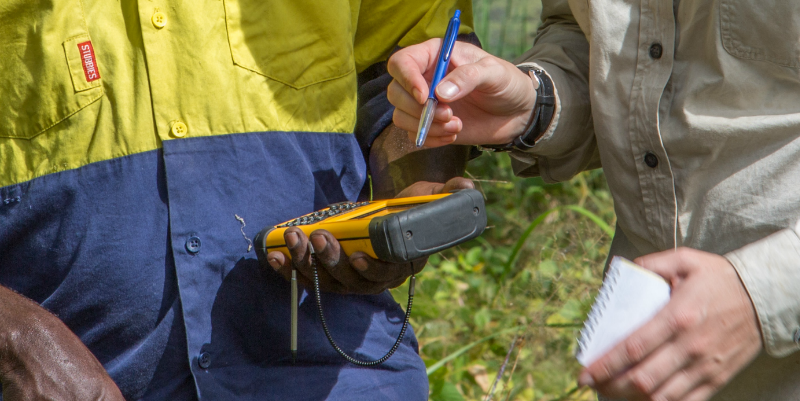
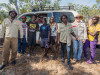
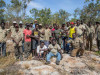
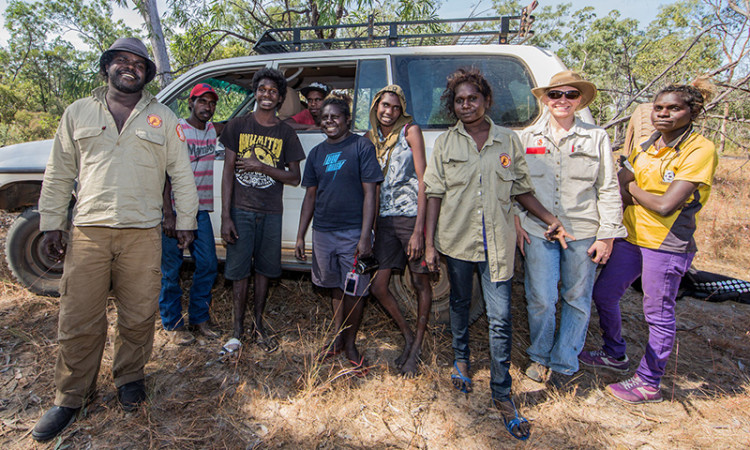
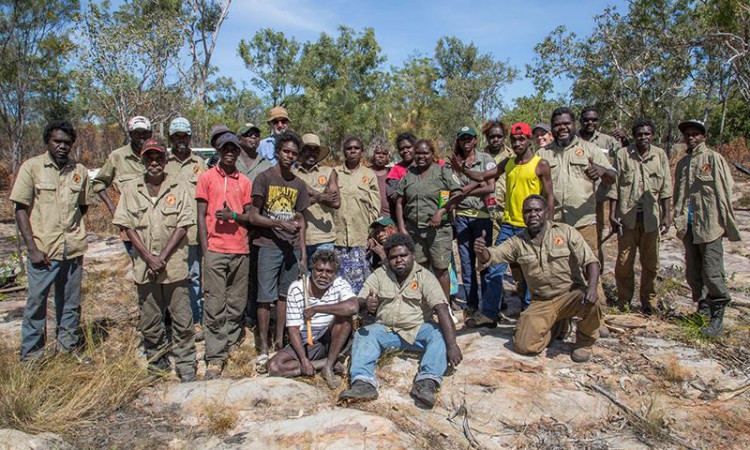
All methods were developed in collaboration with Rangers and Traditional Owners from the Warddeken and Djelk Indigenous Protected Areas in Arnhem Land and at the Indigenous Land Corperation’s Fish River Station, in the Northern Territory.
Scientific Paper
July 2016
Multiple cameras required to reliably detect feral cats in northern Australia tropical savanna: an evaluation of sampling design when using camera traps (scientific paper)
Stokeld, Danielle, Frank, Anke S. K, Hill, Brydie, Choy, Jenni Low, Mahney, Terry, Stevens, Alys, . . . Gillespie, Graeme R. (2015). Multiple cameras required to reliably detect feral cats in northern Australian tropical savanna: An evaluation of sampling design when using camera traps. Wildlife Research, 42(8), 642-649.
Report
November 2015
Integrated monitoring and assessment to support adaptive management and planning
Other
October 2015
Kawidji Camp in the Djelk IPA (booklet 2015)
Other
October 2015
Dukaladjarrandj Camp 2013 – A report by the Djelk Rangers (booklet 2013)
Info Sheet
October 2015
Terrestrial monitoring with motion detection cameras
Scientific Paper
October 2015
Critical-weight-range marsupials in northern Australia are declining: a commentary on Fisher et al. (2014) ‘The current decline of tropical marsupials in Australia: is history repeating?’
Global Ecology and Biogeography, Woinarski, JCZ, 2014
Scientific Paper
October 2015
Continental-scale governance and the hastening of loss of Australia’s biodiversity
Conservation Biology, Possingham, H, Woinarski, J, 12/2013
Scientific Paper
October 2015
Measuring and reporting on conservation management outcomes
CSIRO, Legge, S, Fleming, A, 2012, ISBN: 9780643103573
Scientific Paper
October 2015
Improving biodiversity monitoring
Austral Ecology, Lindenmayer, D, Gibbons, P, Bourke, M, Dickman, CR, Ferrier, S, Fitzsimons, J, Freudenberger, D, Garnett, S, Groves, C, Hobbs, R, Kingsford, RT, Krebs, C, Legge, S, Lowe, AJ, McLean, R, Possingham, H, Radford, J, Robinson, D, Thomas, D, Varcoe, T, Vardon, M, Wardle, G, Woinarski, J, Zerger, A, 05/2012
Scientific Paper
October 2015
Monitoring indicates greater resilience for birds than for mammals in Kakadu National Park, northern Australia
Journal Article, Fisher, A, Young, S, Armstrong, M, Brennan, K, Griffiths, AD, Hill, B, J. Choy, L, Milne, D, Stewart, A, Ward, S, Winderlich, S, Ziembicki, M, 2012
Report
October 2015
A guide to use of remote cameras for wildlife surveys in northern Australia
The project was led by Dr Graeme Gillespie, with researchers from Charles Darwin University and the Northern Territory Department of Land Resource Management working in collaboration with Rangers and Traditional land owners from the Warddeken and Djelk Indigenous Protected Areas and the Fish River Station which is managed by the Australian Wildlife Conservancy.
Project Leader:
Dr Graeme Gillespie
Department of Land Resource Management
Northern Territory Government
Graeme.Gillespie@nt.gov.au
08 8995 5025