
Matt Hayward
Research Executive Committee and Key Researcher
University of Newcastle

Project start date: 01/03/2023
Project end date: 30/09/2026
NESP funding: $333,000 (GST-exclusive)
National parks and other protected areas are essential to solve the species-extinction crisis and restore biodiversity and resilient landscapes. This project is addressing urgent questions for the management of Commonwealth national parks and provide tools and case studies to benefit research users in other places.
Australia has committed to protecting 30% of its lands and seas by 2030. Making sure our existing protected areas, including national parks, are resilient will play a vital role in meeting our global commitments to protecting biodiversity.
Commonwealth national parks include World Heritage areas, Ramsar sites and priority places under the Australian Government’s Threatened species action plan 2022–2032. To make sure our national parks are resilient into the future, we need strategic prioritisation of management activities, informed by rigorous monitoring and evaluation, targeted research on critical gaps in our knowledge about species and systems, and development and testing of new technologies and methods for monitoring and management.
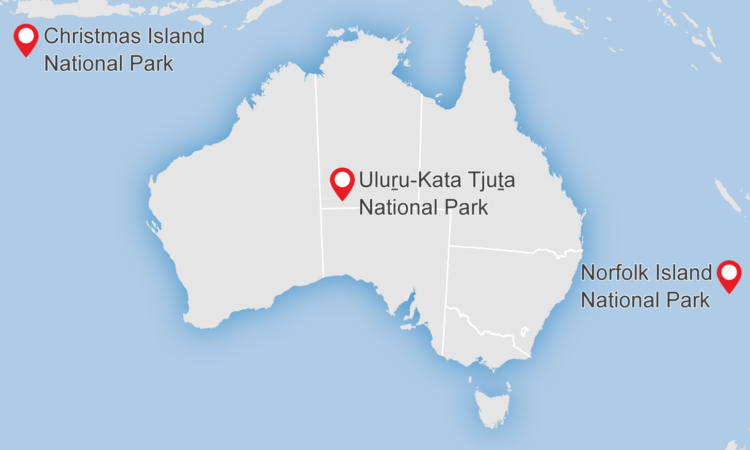
This project is supporting improved management across 3 Commonwealth national parks. It is developing fit-for-purpose monitoring programs, testing new technologies and providing evidence to guide long-term conservation decisions.
Developing an integrated monitoring program for fauna within Uluṟu-Kata Tjuṯa National Park
This report presents a culturally grounded biodiversity monitoring framework co-developed with Aṉangu and Parks Australia. It draws on more than 3 decades of fauna-monitoring data and trials new approaches using camera traps and acoustic recorders.
Key research areas
To address these challenges and enhance the resilience of Australia’s national parks, this project is:
Pathway to impact
This project will strengthen the resilience of Australia’s national parks by:
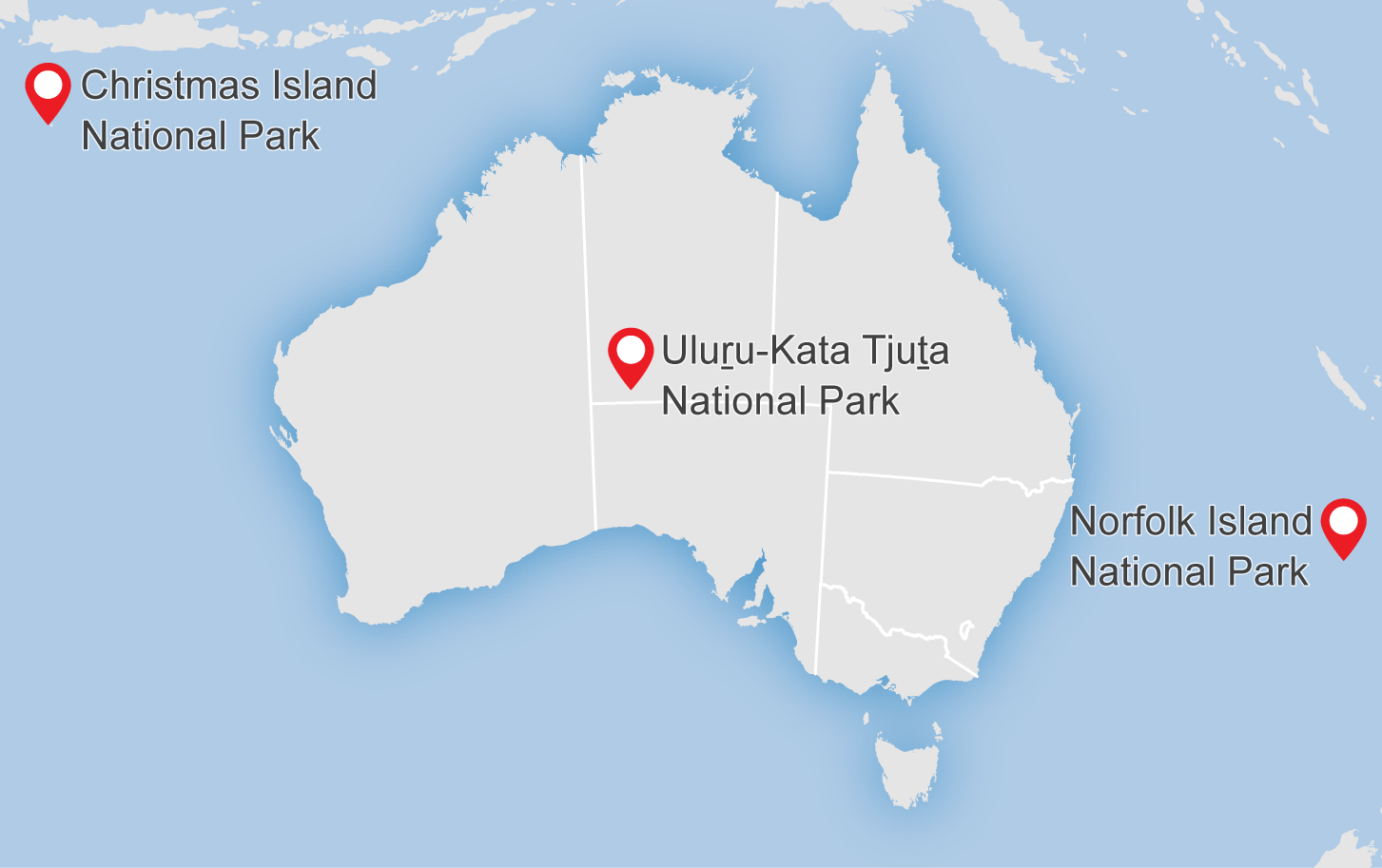
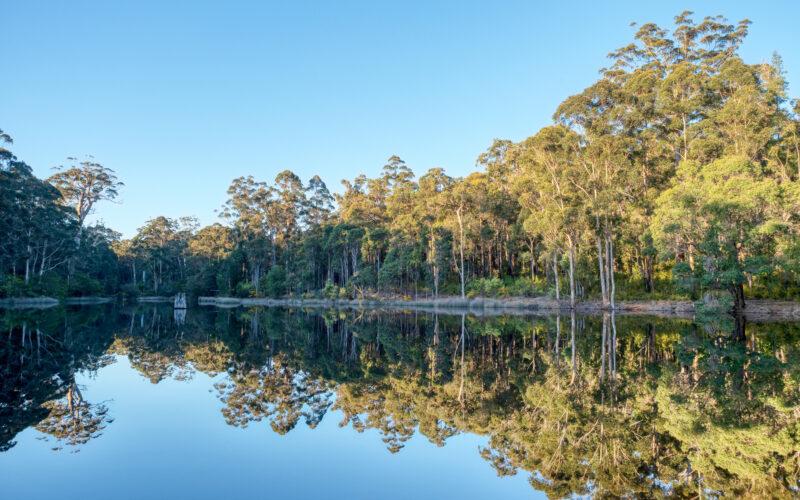
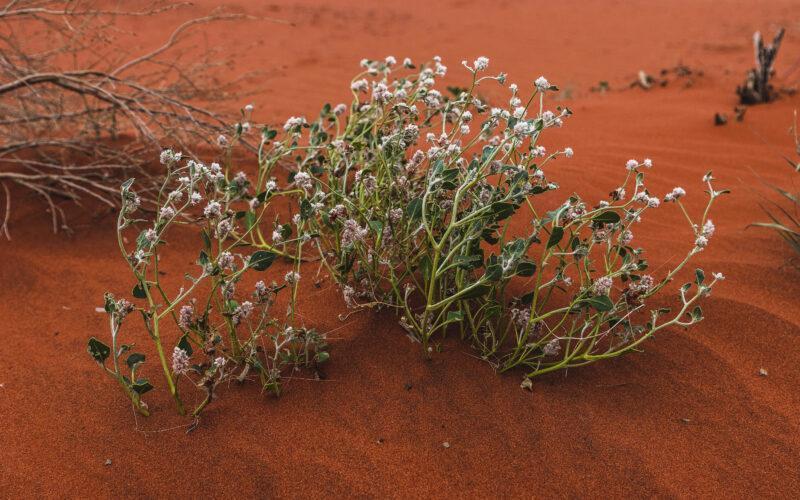
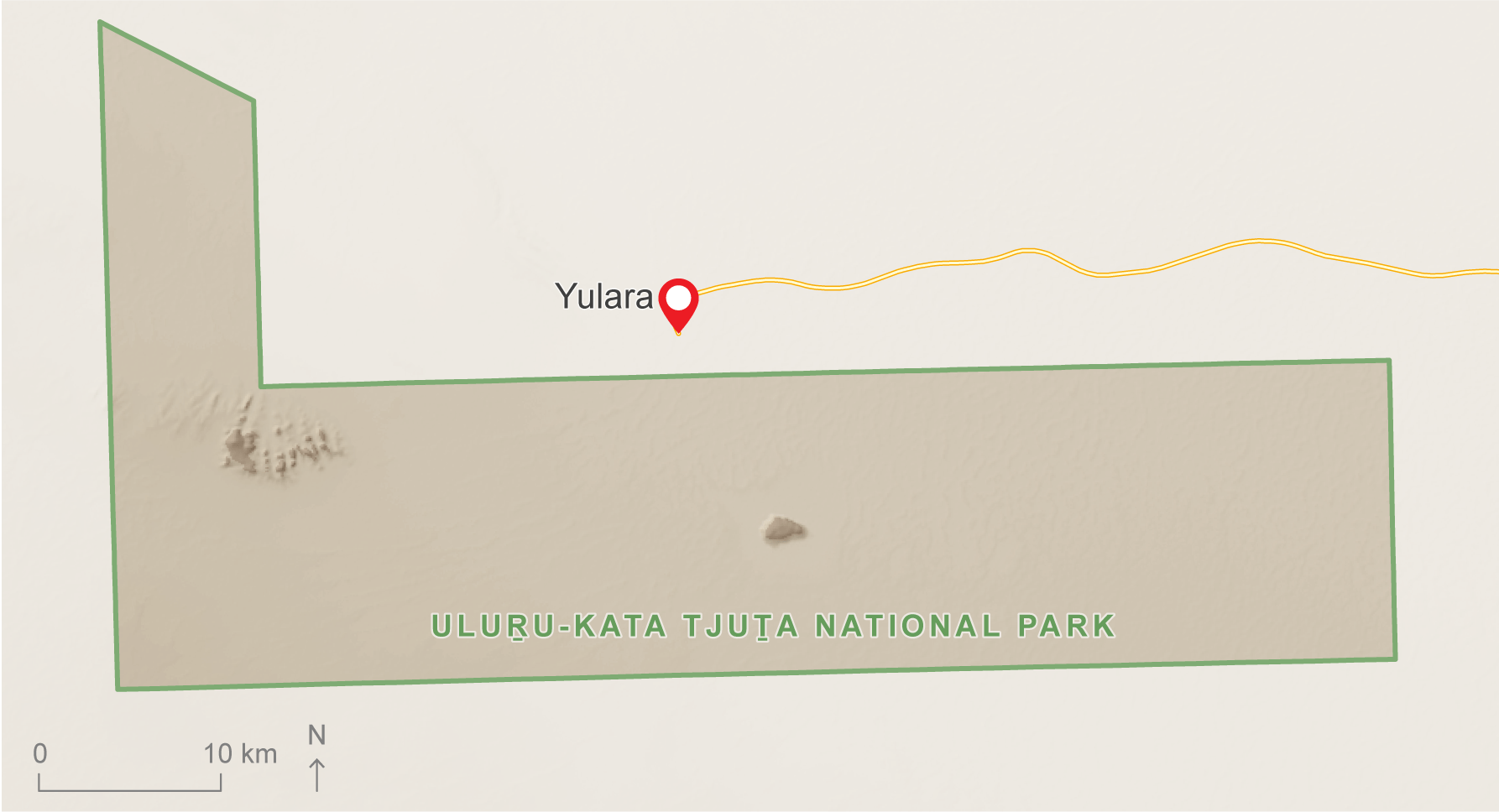
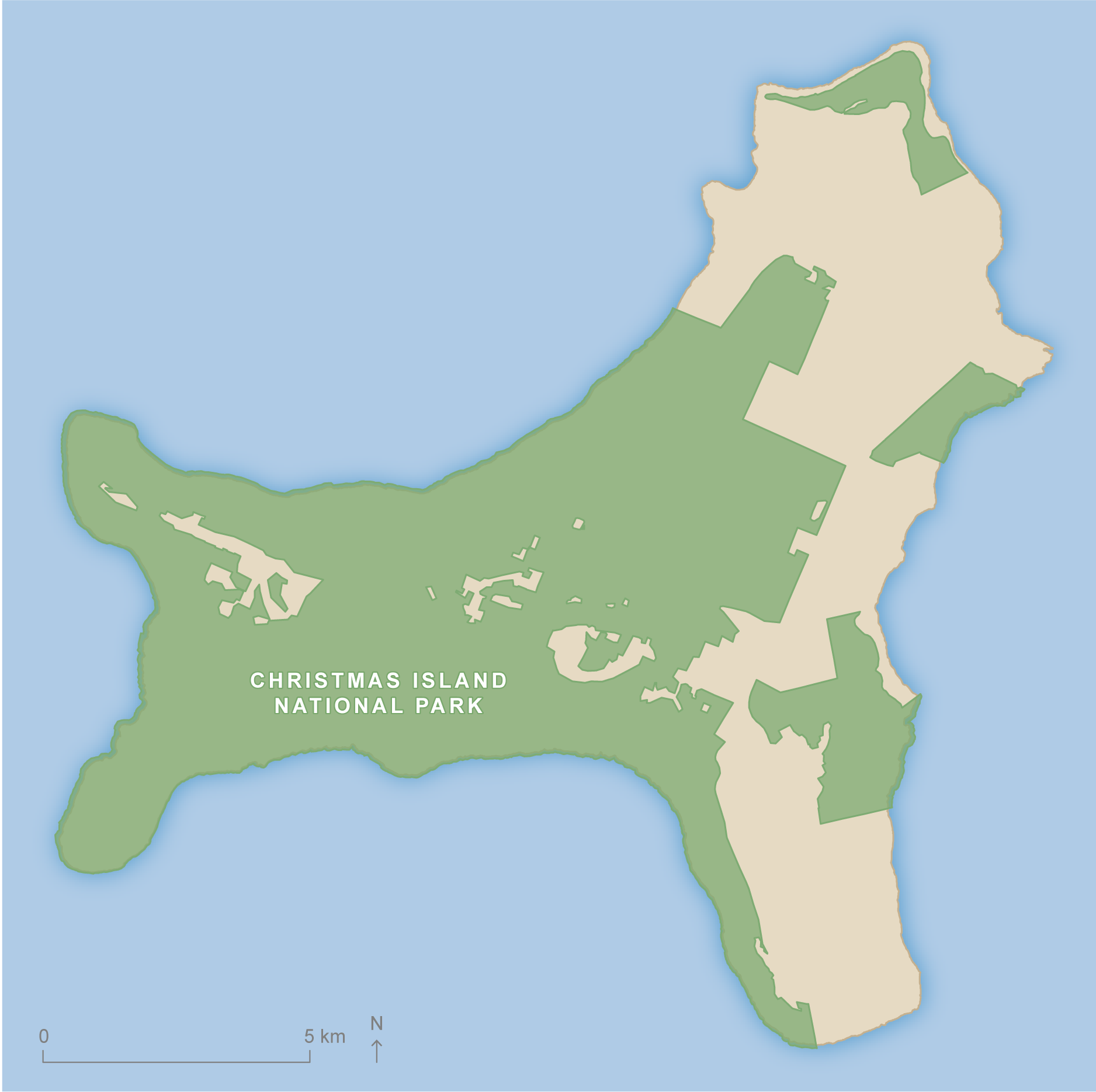
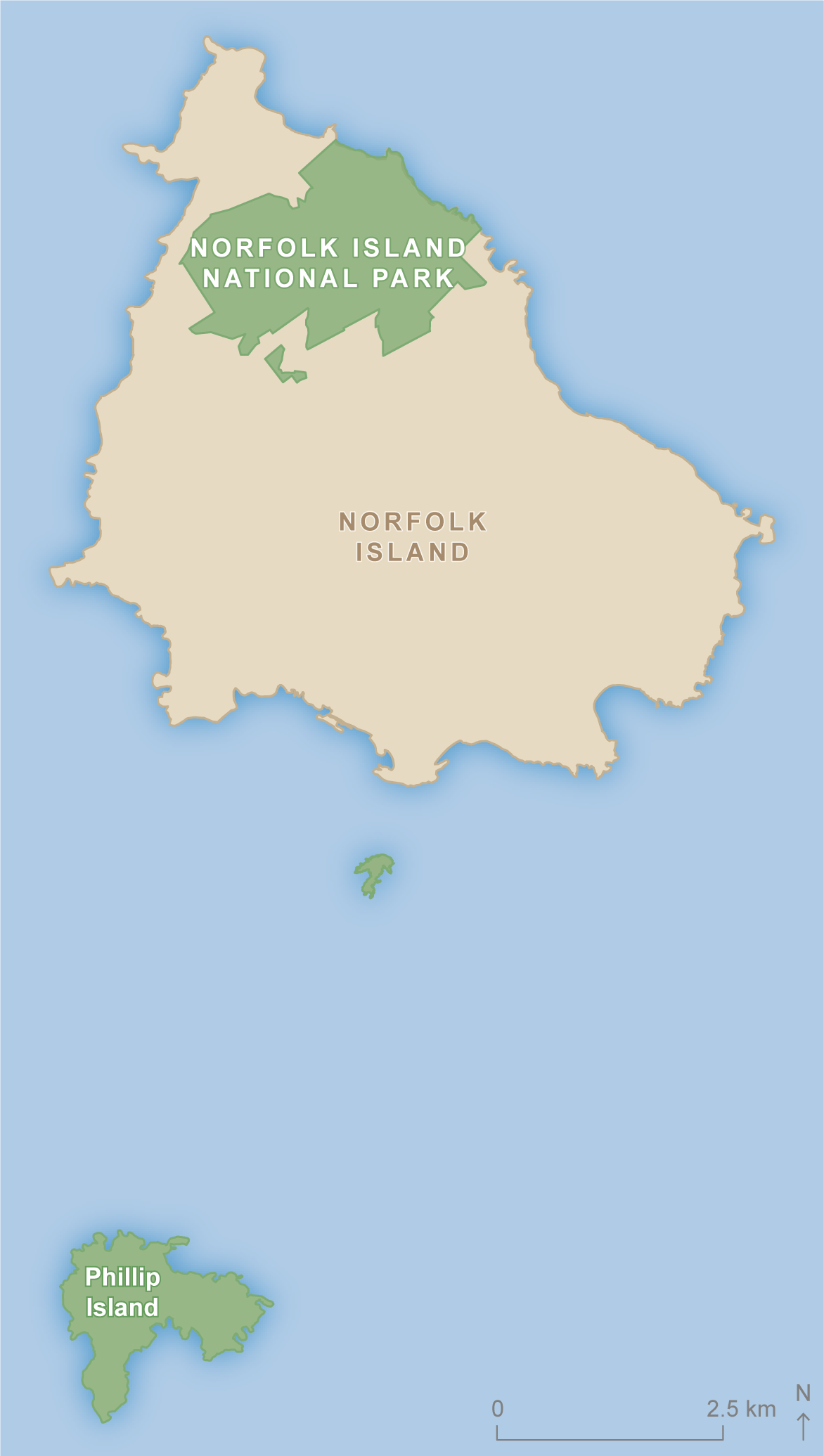
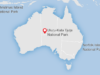
This project is working across 3 Commonwealth national parks. Image: Resilient Landscapes Hub.


Report
July 2026
Developing an integrated monitoring program for fauna within Uluṟu-Kata Tjuṯa National Park
Smart A, MacGregor N, Goumas M, Guest T & Southwell D (2025). Developing an integrated monitoring program for flora and fauna within Uluṟu-Kata Tjuṯa National Park. Final report for project 3.7, Report of the Resilient Landscapes Hub of the Australian Government’s National Environmental Science Program. CC BY 4.0.
Report
November 2024
Resilient Landscapes Hub 2023 Annual Progress Report
Report
June 2023
Resilient Landscapes Hub 2022 Annual Progress Report
Project leader
The project is being led by Professor Matthew Hayward from the University of Newcastle. Project component 1 is being led by Dr Darren Southwell from the University of Newcastle. Project component 2 is being led by Professor Paul Roe from QUT and Professor Lin Schwarzkopf from James Cook University. Project component 3 is being led by Professor David Pannell from The University of Western Australia.
This project will contribute to 2 cross-cutting initiatives:
Contact
For further information, contact matthew.hayward@newcastle.edu.au or nesplandscapes@uwa.edu.au.
Research users
People
Research Executive Committee and Key Researcher
University of Newcastle
Key Researcher
Western Sydney University
Project Team Member
University of Newcastle