Helene Marsh
Cross-cutting Initiative Leader
James Cook University
Project start date: 01/07/2021
Project end date: 30/06/2027
NESP funding: $550,000 (GST-exclusive)
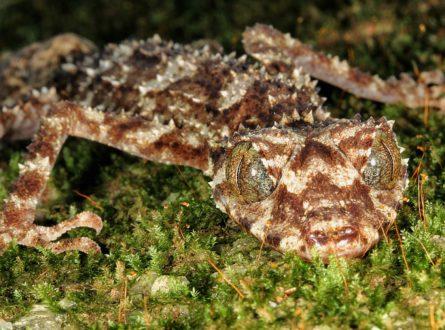
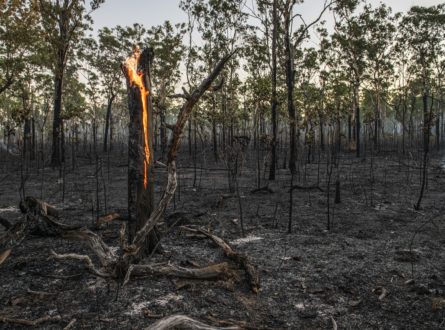
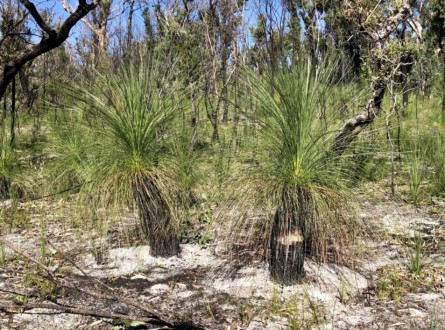
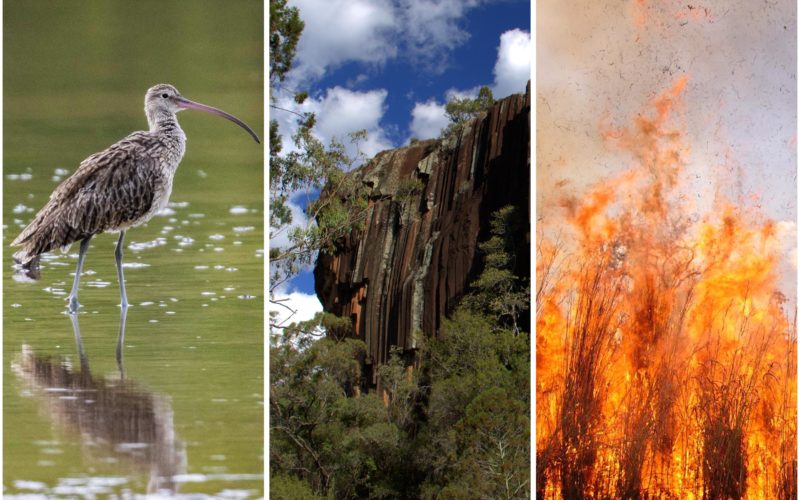
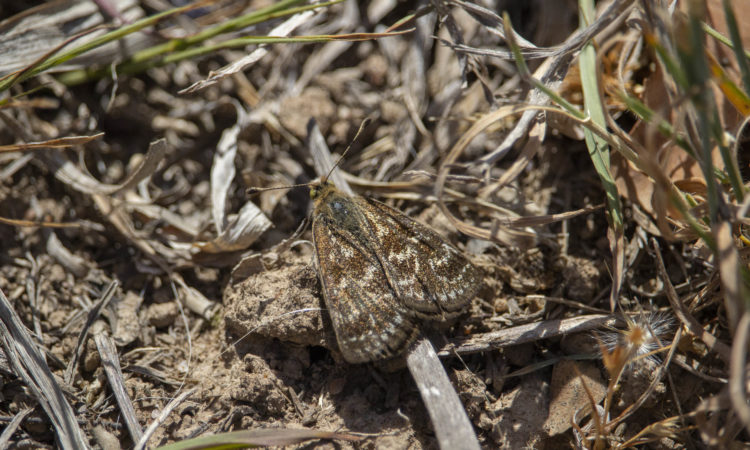
Australia is home to more than 1,900 species and ecological communities that are listed as threatened (Critically Endangered, Endangered or Vulnerable) under the Environment Protection and Biodiversity Conservation Act 1999 (EPBC Act). This number will increase significantly during the life of this second phase of the National Environmental Science Program (NESP), due to climate change and the 2019–20 bushfires.
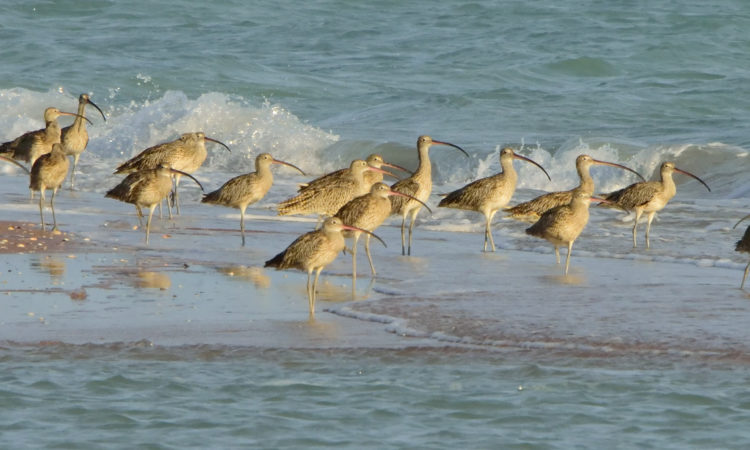
In addition, there are more than 150 species – only some of which are listed as threatened – that are listed as migratory under the EPBC Act in response to Australia’s responsibilities under the global Convention on the Conservation of Migratory Species of Wild Animals (Bonn Convention) and several bilateral agreements. All these listed entities are deemed by the Australian Government to be matters of national environmental significance.
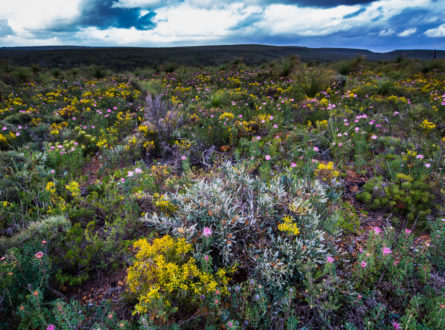
The Resilient Landscapes Hub hosts the cross-cutting ‘Threatened and migratory species and threatened ecological communities’ initiative to support policy development, program management and regulatory processes to protect Australia’s environmental assets in terrestrial, Ramsar and marine environments. This project will provide the research foundation for this initiative and will also identify projects that will be undertaken by all the hubs to address this cross-cutting initiative.
This project will synthesise and evaluate NESP research relevant to the initiative, helping to show how the program is strengthening the knowledge base needed to halt the loss of, and support the recovery of, Australia’s threatened and migratory species and threatened ecological communities.
The project will also assess how NESP research is contributing to targets and actions in the Threatened Species Action Plan 2022–2032, which maps a pathway to protect, manage and restore Australia’s threatened species and important natural places.
A report from this project, Improving outcomes for threatened species and ecological communities considered by the Commonwealth approval process, draws on suggestions from Environmental Approvals Division officers to help improve outcomes for threatened species and ecological communities considered through Commonwealth approval processes.
Download report: Commonwealth approval process and threatened species
This synthesis will help government, researchers, NGOs and conservation practitioners better understand how NESP research is informing conservation planning, policy and practical action for threatened and migratory species and threatened ecological communities.
Key research areas
This project will focus on:
Pathway to impact
This project will support better conservation outcomes by:
Report
April 2026
Towards a better understanding of information on the risk of extreme weather and climate change to Australia’s threatened terrestrial and freshwater species
Marsh, H., Boulter, S.L., Briscoe, N., Clarke, J., Le Breton, T., Marsh, J., Mason, C. Nolan, S. (2025) Towards a better understanding of information on the risk of extreme weather and climate change to Australia’s threatened terrestrial and freshwater species. Climate Systems Hub and Resilient Landscapes Hub. National Environment Science Program, Australia.
Report
November 2024
Resilient Landscapes Hub 2023 Annual Progress Report
Report
December 2023
Improving outcomes for threatened species and ecological communities considered by the Commonwealth approval process. 1: suggestions from of EAD officers (report)
Marsh H and Carwardine J (2023) Improving outcomes for threatened species and ecological communities considered by the Commonwealth approval process. 1: suggestions from of EAD officers, report to the Resilient Landscapes Hub of the Australian Government’s National Environmental Science Program. James Cook University, Townsville.
Report
June 2023
Resilient Landscapes Hub 2022 Annual Progress Report
Other
July 2022
Resilient Landscapes Hub 2021 Annual Progress Report
Project leader
This project is being led by Professor Helene Marsh from James Cook University and Professor Michael Douglas from The University of Western Australia.
Contact
For further information, contact helene.marsh@jcu.edu.au or nesplandscapes@uwa.edu.au.
Examples of potential research users
This list will be developed further through the co-design process.
People
Cross-cutting Initiative Leader
James Cook University
Key Researcher
Arid Recovery
Key Researcher
Bush Heritage
Deputy Hub Leader and Senior Indigenous Facilitator
Curtin University
Key Researcher
DBCA (WA Government)
Key Researcher
DBCA (WA Government)
Key Researcher
DBCA (WA Government)
Key Researcher
DBCA (WA Government)
Research Executive Committee and Eastern Node Leader
Griffith University
Key Researcher
Griffith University
Hub Leader
The University of Western Australia