Mark Kennard
Research Executive Committee and Eastern Node Leader
Griffith University

Project start date: 01/07/2021
Project end date: 30/06/2027
NESP funding: $550,000 (GST exclusive)
Australia faces a number of major pressures that lead to the degradation of our ecosystems and the decline of our biodiversity, including our threatened flora and fauna. The United Nations Decade on Ecosystem Restoration aims to prevent, halt and reverse the degradation of ecosystems. Consistent with this, the Australian Government aims to restore degraded habitats and improve species recovery.
An evidence base built on current practices, agreement on key knowledge gaps limiting improved restoration and recovery actions, and trial of potential solutions are urgently needed. Practical restoration solutions at the landscape scale (e.g. replanting) and species-recovery interventions (e.g. captive breeding and translocations, and other conservation strategies) will be considered in this project to identify research projects that restore and enhance resilience through ecosystem restoration and species recovery.
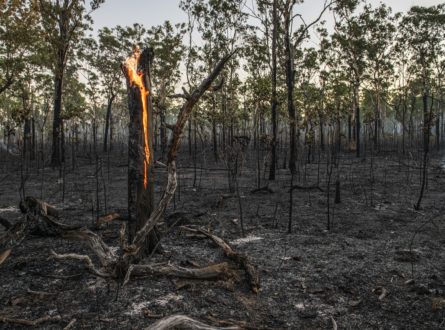
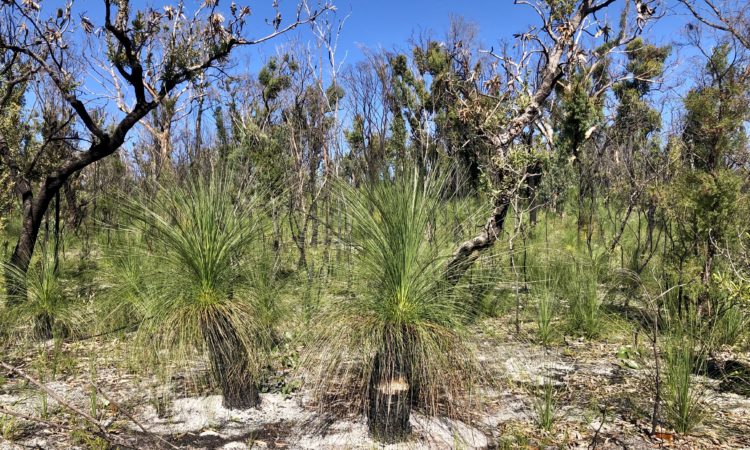
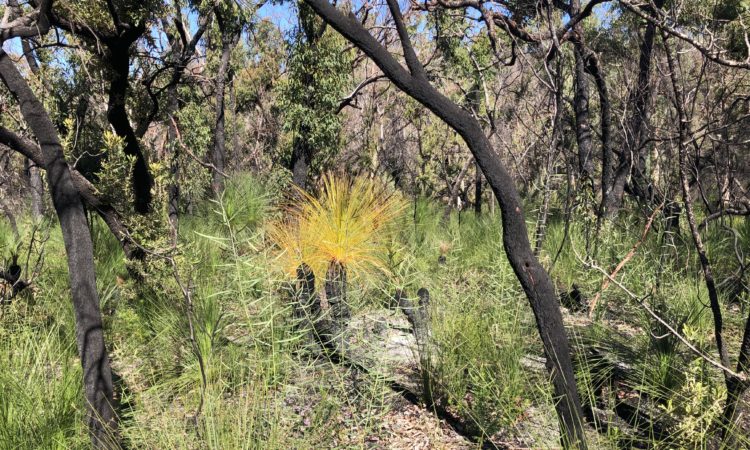
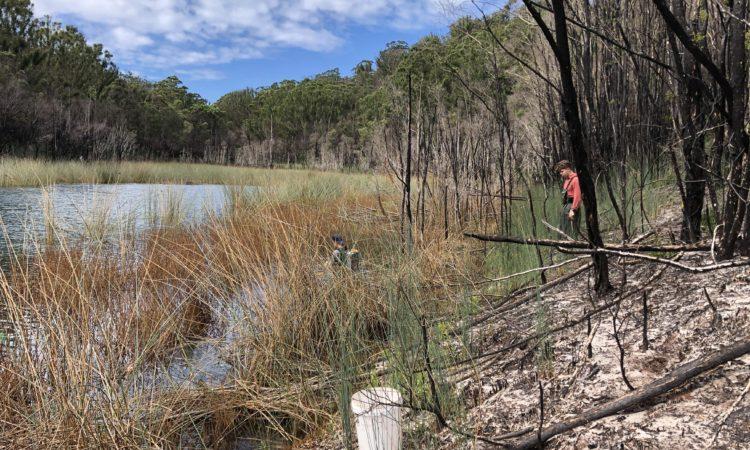
This includes taking a whole-of-ecosystem approach to address the need for a range of management strategies required to capture genetic diversity, safeguard against extinctions, and support large-scale restoration of terrestrial and freshwater ecosystems, particularly following extreme events such as bushfires, droughts and floods.
This project establishes the foundation for the hub’s research on practical solutions for landscape restoration and species recovery, and considers both terrestrial and freshwater species and ecosystems. The project is moving into the synthesis phase, which will bring together empirical evidence from NESP projects to test key assumptions of the Ecological Knowledge System underpinning the Nature Repair Market and to examine the role of restoration in shaping resilient landscapes.
Key research areas
Pathway to impact
This project will support restoration and recovery outcomes by:
Project leader
This project is being led by Professor Mark Kennard from Griffith University and Professor Jennifer Firn from QUT.
Contact
For further information, contact m.kennard@griffith.edu.au, jennifer.firn@qut.edu.au or nesplandscapes@uwa.edu.au.
Examples of potential research users
This list will be developed further through the co-design process.
People
Research Executive Committee and Eastern Node Leader
Griffith University
Research Executive Committee and Key Researcher
Queensland University of Technology
Key Researcher
Arid Recovery
Key Researcher
CSIRO
Deputy Hub Leader and Senior Indigenous Facilitator
Curtin University
Key Researcher
DBCA (WA Government)
Key Researcher
DBCA (WA Government)
Key Researcher
DBCA (WA Government)
Key Researcher
Griffith University
Key Researcher
Key Researcher
DESI (Queensland Government)
Key Researcher
DESI (Queensland Government)
Research Executive Committee and Key Researcher
University of Newcastle
Key Researcher
University of Southern Queensland
Key Researcher
DEECA (Victorian Government)