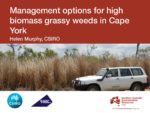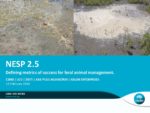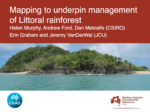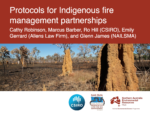
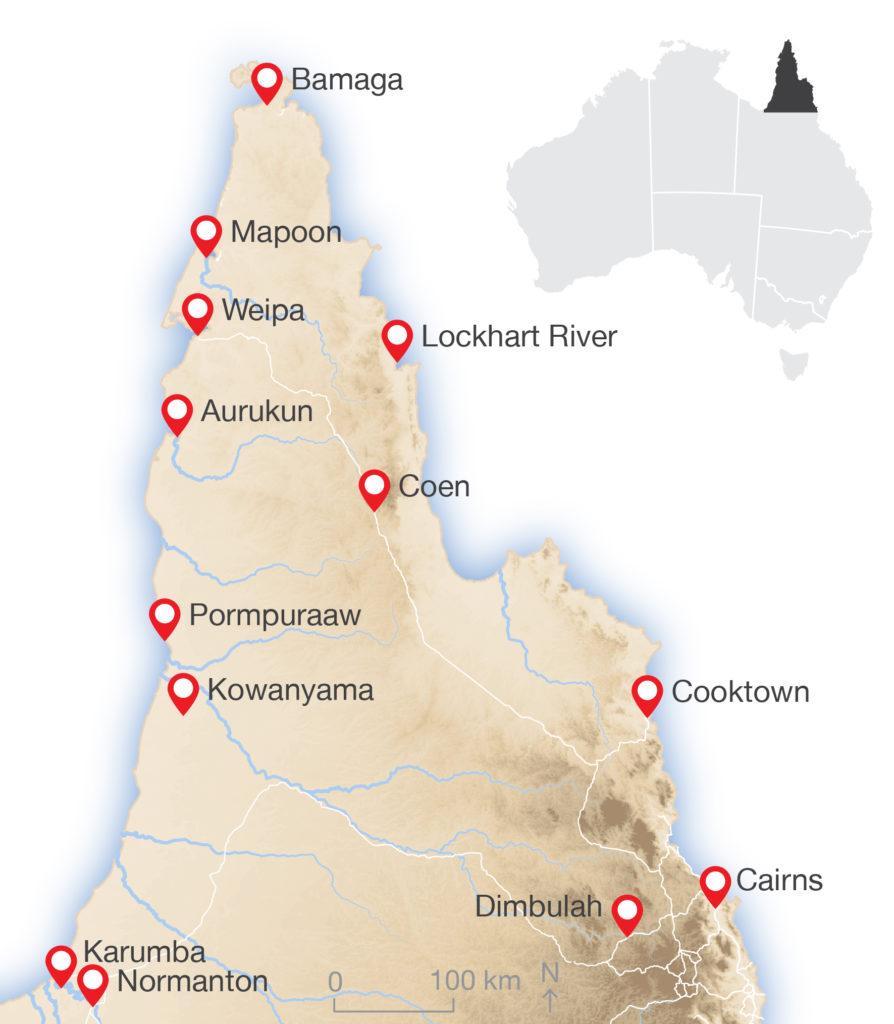
 Hub research on Cape York Peninsula aims to support sustainable development in the region. Feral animals are another research priority and the Hub is working with Indigenous groups to determine effective management of feral animals and ways of measuring this. Other Hub research across northern Australia, on topics such as environmental monitoring and Indigenous knowledge brokering is also generating information to support development decisions in the Gulf. Other Hub research across northern Australia, on topics such as environmental monitoring, fire and carbon, and Indigenous land management is also generating information to support development decisions in the Gulf (read more here).
 Current project
 Completed project

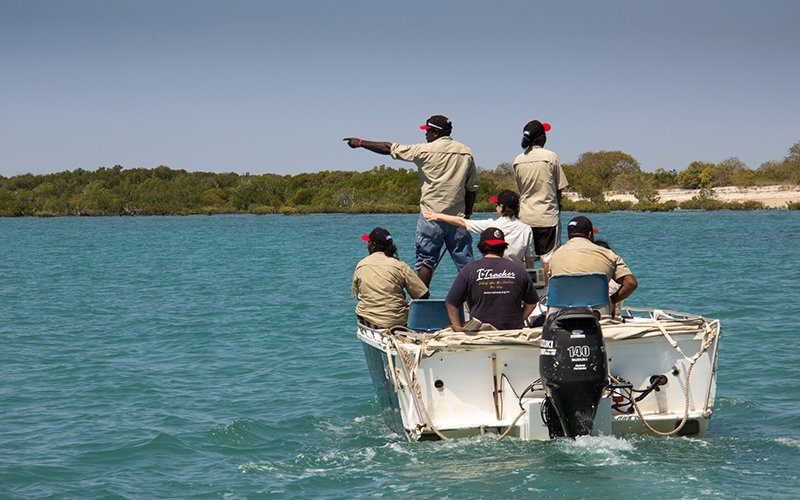
cape-york
Final Northern Australia update – November 2021. Welcome to the last e-newsletter from the Northern Australia Environmental Resources Hub. The […]
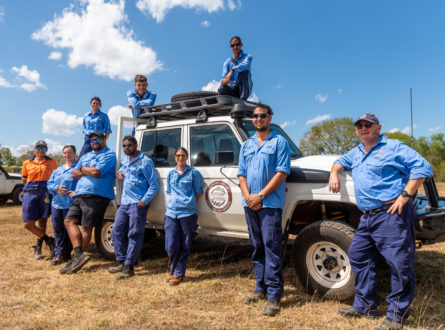
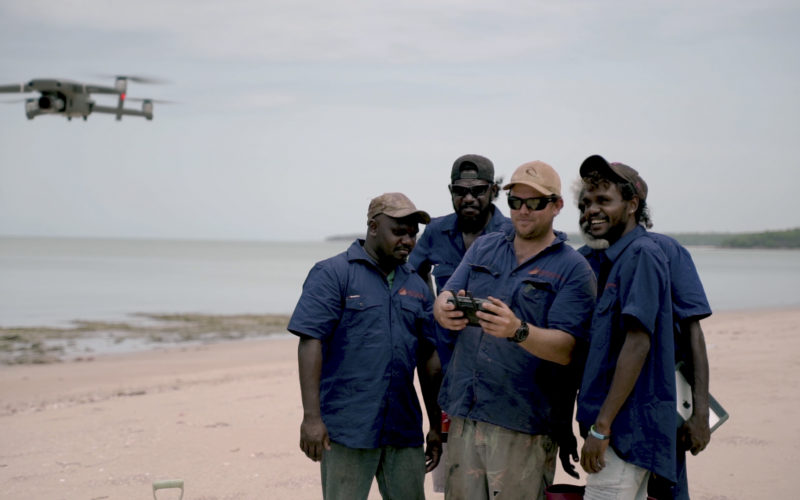
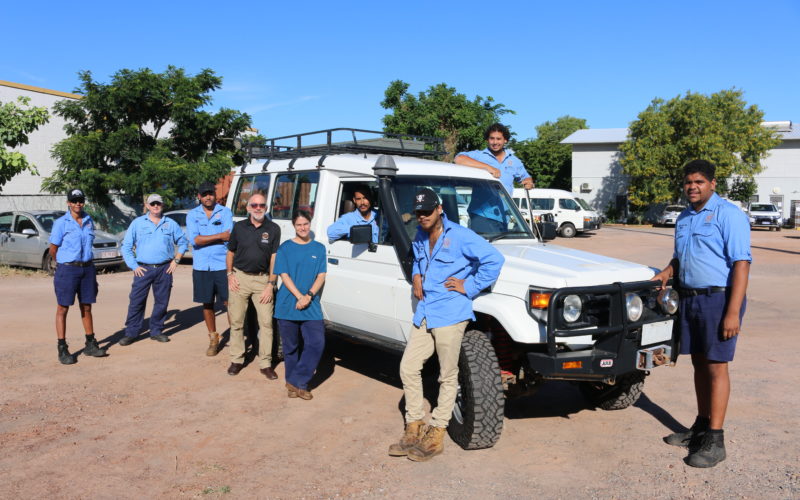
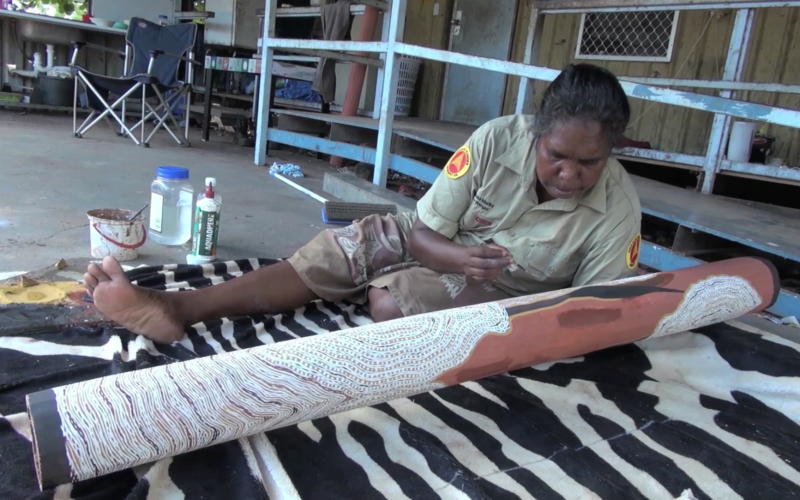
Indigenous rangers are essential in managing the vast cultural and natural resources of northern Australia. Indigenous cultural and natural resource […]
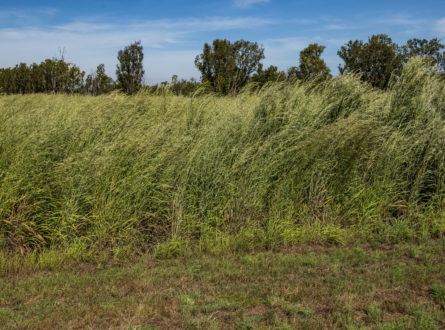
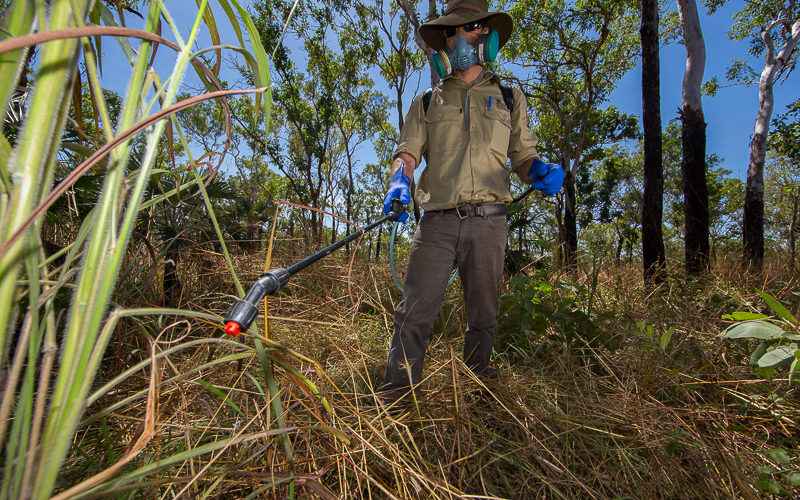
Gamba grass (Andropogon gayanus) was introduced to Australia as a pasture grass from Africa. It has become a significant environmental weed and […]
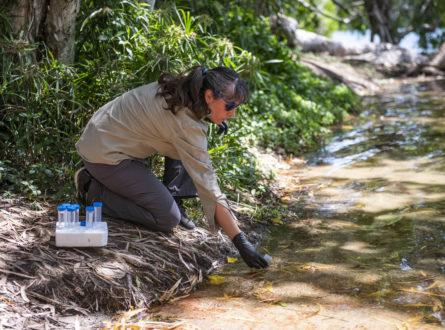
Scientists are using an innovative technique to detect endangered frogs a long way downstream from their mountainous, tropical homes in […]
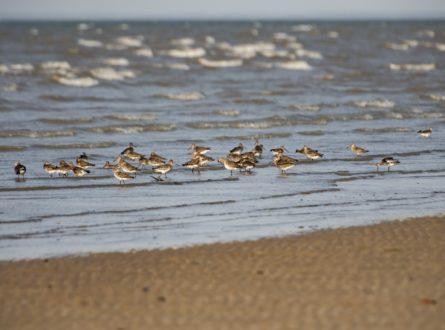
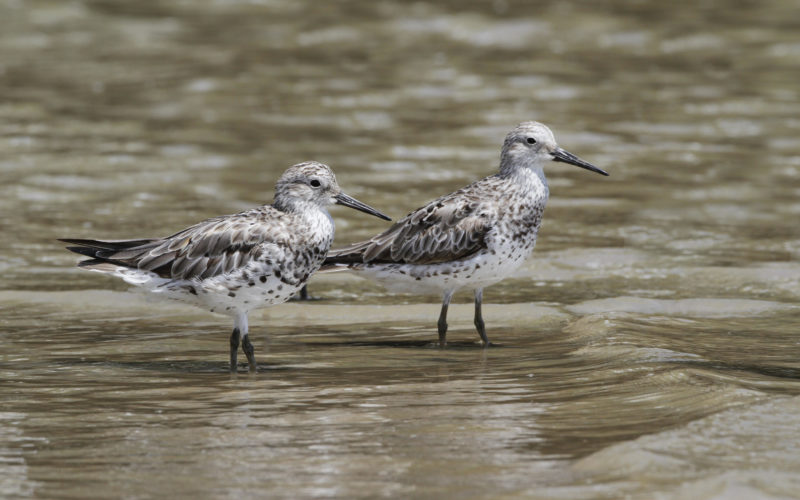
Migratory shorebirds travel thousands of kilometres, from as far away as Siberia, before arriving at sites in the southern Gulf […]
The Northern Australia Environmental Resources Hub addressed key research questions to come up with practical, on-ground solutions to some of […]
The NESP Northern Australia Environmental Resources Hub has had impact across four broad themes: The importance of rivers and their […]
Northern Australia December 2020 update. We’re in the final months of the NESP Northern Australia Environmental Resources Hub and we […]
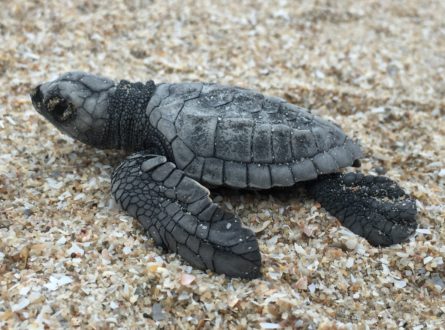
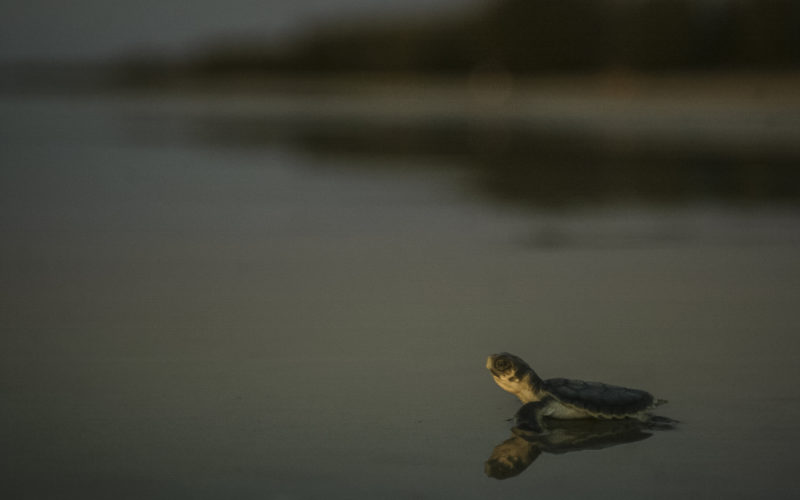
Teaming up for turtles Cloud and AI automate and accelerate turtle nest monitoring and predator tracking, allowing Indigenous rangers from […]
The University of Western Australia (UWA) will host a new Australian research hub to provide national leadership in threatened species […]
Northern Australia December 2020 update. We are delighted to share the news that the user-driven approach to research that has […]
For NAIDOC Week 2020, we highlighted some of our important collaborative research with Indigenous people across northern Australia. You can […]
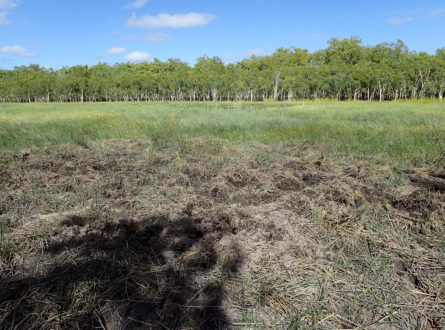
As the water at a wetland’s edge retreats, exposed sediments provide rich habitat for ground-dwelling invertebrates like beetles, mites, springtails […]
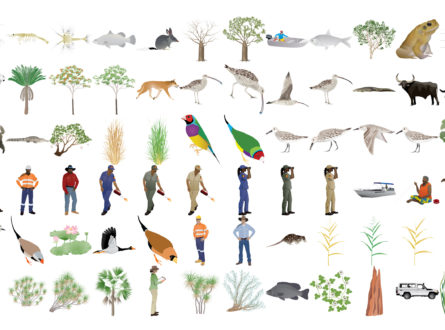
We have publicly released our free collection of 250+ symbols for all your science communication needs! DOWNLOAD THE SYMBOLS HERE […]
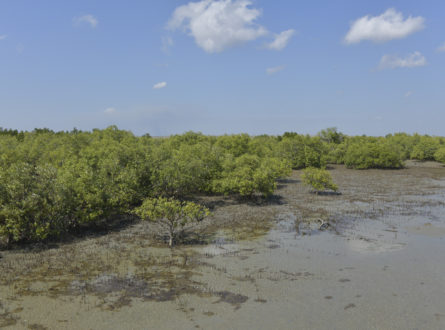
It’s Science Week! We’ll be sharing a few videos about our research in the Gulf of Carpentaria this week. The […]
Northern Australia March 2020 update. Read about the Hub’s coronavirus pandemic response in our latest eNews, as well as our […]
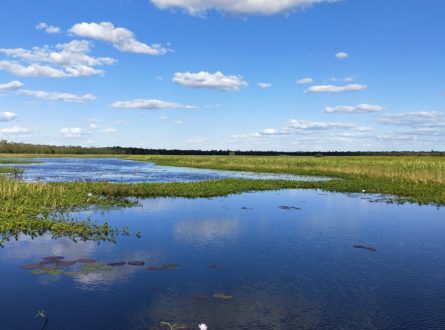
Research in northern Australia means being ready for anything, which the environmental water needs for the Mitchell River project team […]
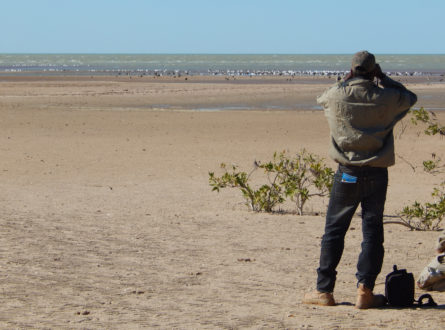
Prawns, barra and shorebirds; cyclones, mud and floods: it’s been a busy six months for Hub researchers investigating how river […]
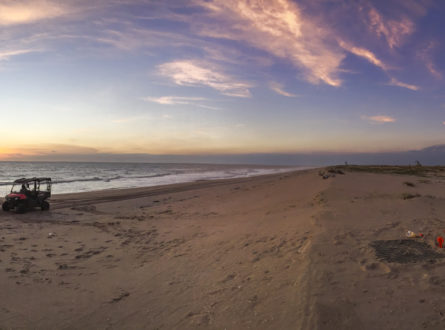
No one-size-fits-all approach to predators that plunder turtle nests. Protecting the nests of marine turtles from raids by pigs, dingoes […]
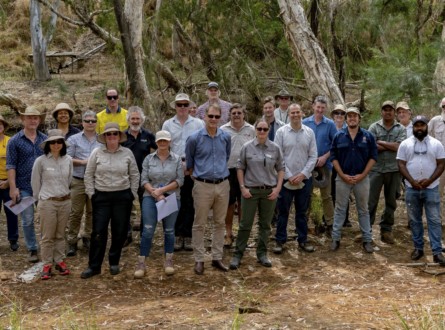
Our Hub Steering Committee recently visited Cairns and other parts of far north Queensland for updates from some of our […]
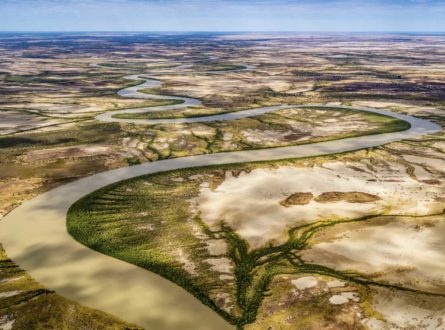
Northern Australia August 2019 update. As the wet season draws nearer, this eNews updates you on the progress of our […]
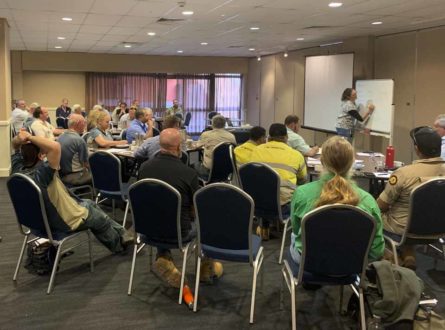
Improving gamba grass control on Cape York and throughout northern Australia was the topic of discussion at a two-day workshop […]
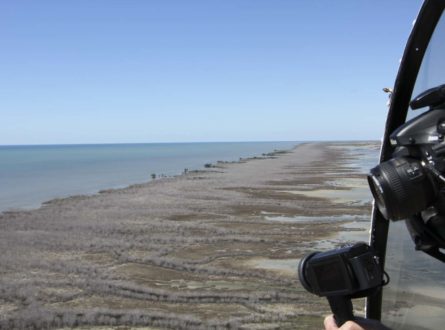
Hub researchers and Indigenous rangers have been working hard on the Gulf of Carpentaria’s coastline to assess mangrove recovery following […]
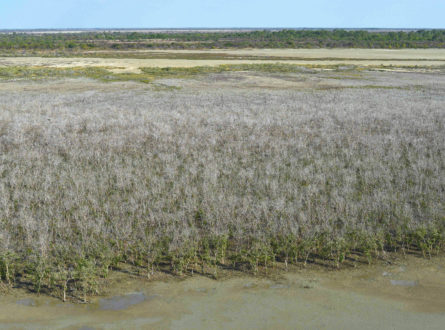
A revised look at tidal wetlands in remote northern Australia has uncovered a surprising new understanding of their responses to […]
5200 kilometres is a long way to go to share NESP Northern Hub research, but it was worth the distance…! […]
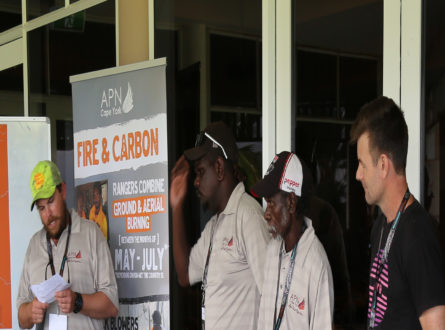
Working with Indigenous rangers in north Queensland Hub researchers Dr Justin Perry and Dr Norm Duke were invited to join […]
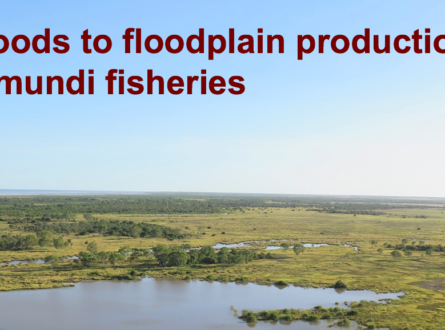
Researchers from three Hub projects were asked to present at the recent Queensland Water Planning Science Forum – this event […]
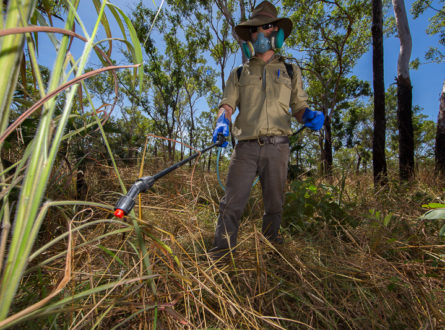
Improving gamba grass control Despite its listing as a Weed of National Significance and a key threatening process under the […]
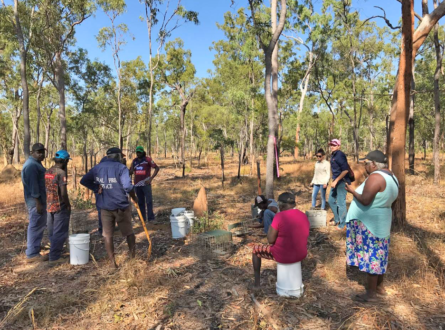
Aak Puul Ngantam (APN) invited Hub researchers from CSIRO to run scientific activities alongside cultural activities run by senior Traditional Owners at a five-day […]
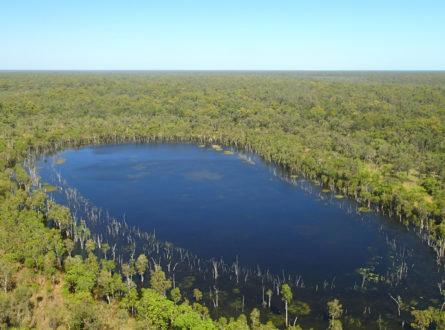
Large feral animals such as pigs and buffalo cause significant damage to aquatic ecosystems across northern Australia, affecting biodiversity, ecosystem […]
Fire has been a critical component of Australian Aboriginal culture and resource management for millennia and today, where Aboriginal people conduct […]
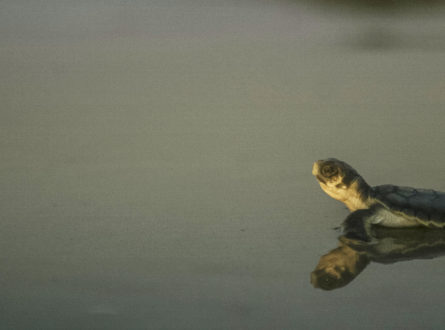
Northern Hub researcher Justin Perry (CSIRO) recently travelled to Canberra with Sandy Whyte (Aak Puul Ngantam APN), representatives of the […]
Two Northern Hub researchers travelled to Canberra in early November to highlight the impact of Hub research projects. Dr Helen […]
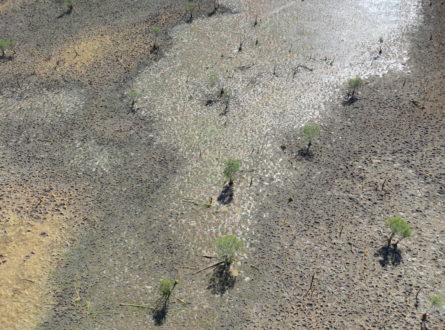
The wetlands and floodplains of the Archer River support outstanding biodiversity, provide many ecosystem services and have significant Indigenous cultural […]
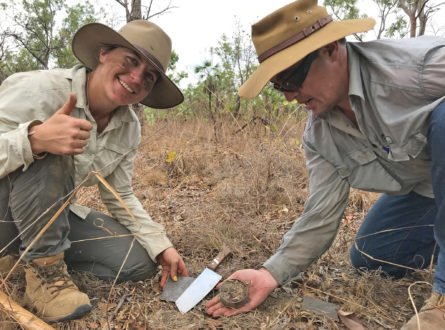
How do savanna landscapes change due to gamba grass invasion, and is it possible for these ecosystems to be restored? […]
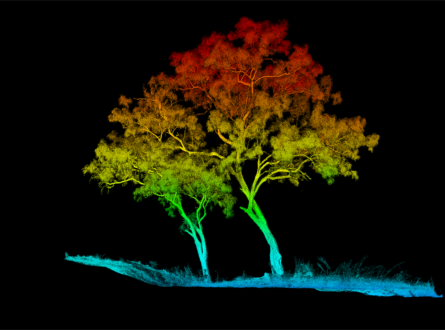
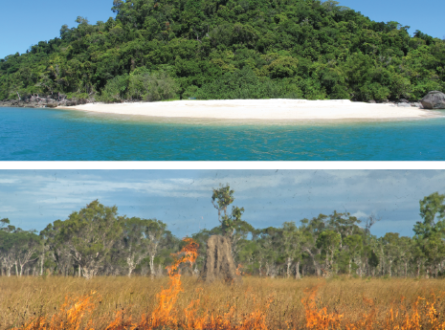
Emissions Reduction Fund (ERF) savanna projects allow land managers to minimise uncontrolled highly intense fires late in the dry season […]
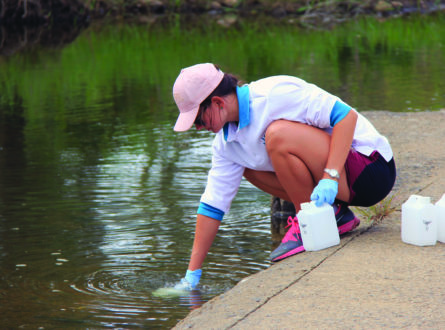
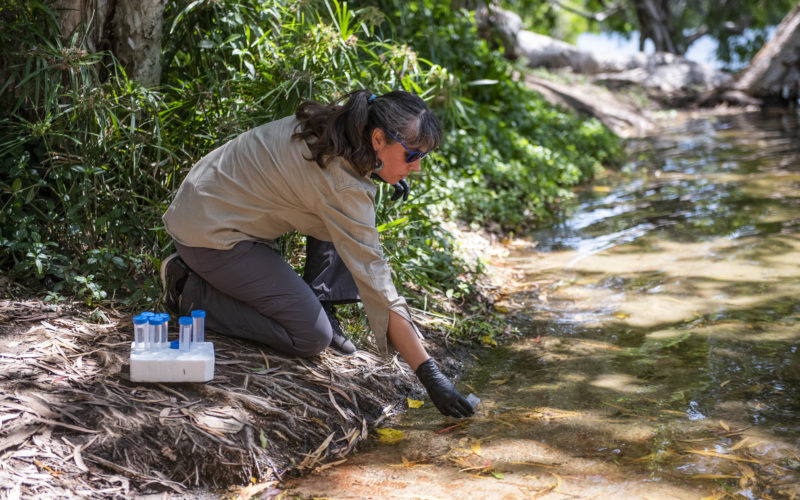
In northern Australia, detecting aquatic species can be difficult, labour-intensive and expensive, due to factors such as remote locations, expansive […]