Project 3.10
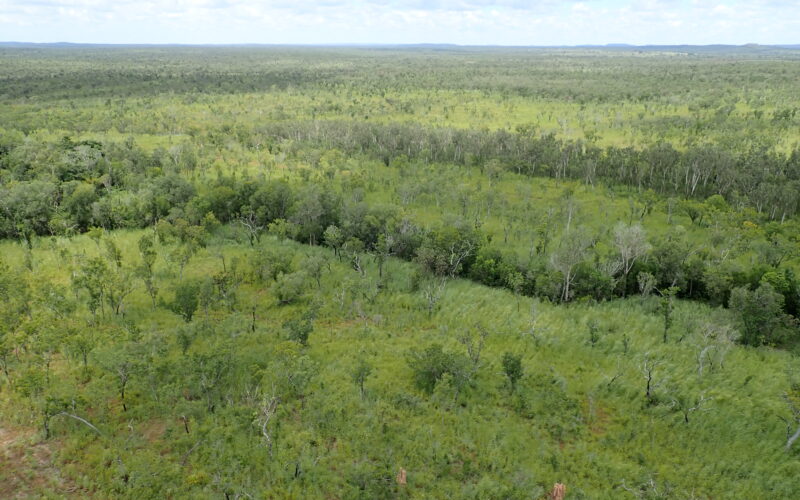
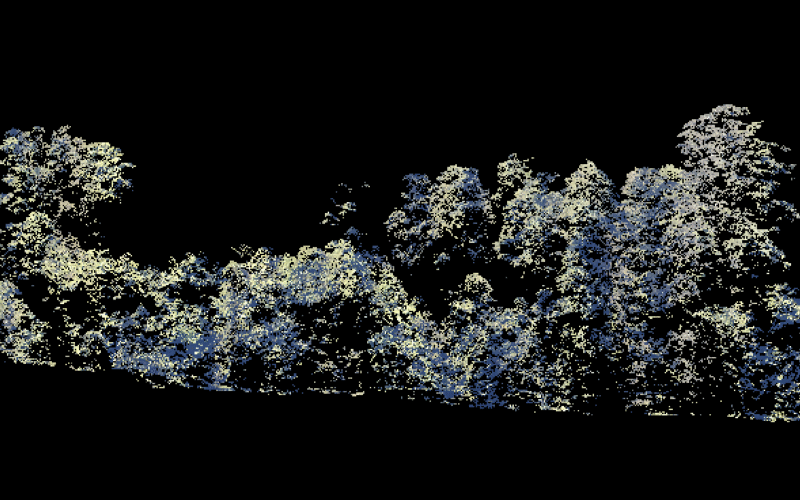
Assessing the impacts of myrtle rust on forest dynamics and function

Completed project
Assessing the impacts of myrtle rust on forest dynamics and function
Climate-resilient landscapes: an adaptation case study in NSW’s Northern Rivers region and the Wet Tropics of Queensland
Contributing to the recovery of threatened species and priority places
Developing a culturally relevant framework for climate change adaptation and resilient landscapes
Enhancing climate resilience of vertebrate communities in the Fitz-Stirlings
Enhancing the resilience of urban rivers: informing the regional restoration of the Djarlgaroo Beeliar (Canning River, Perth)
Environmental Economic Accounting – Developing and trialling approaches for accounting to ensure respectful inclusion of First Nations knowledges
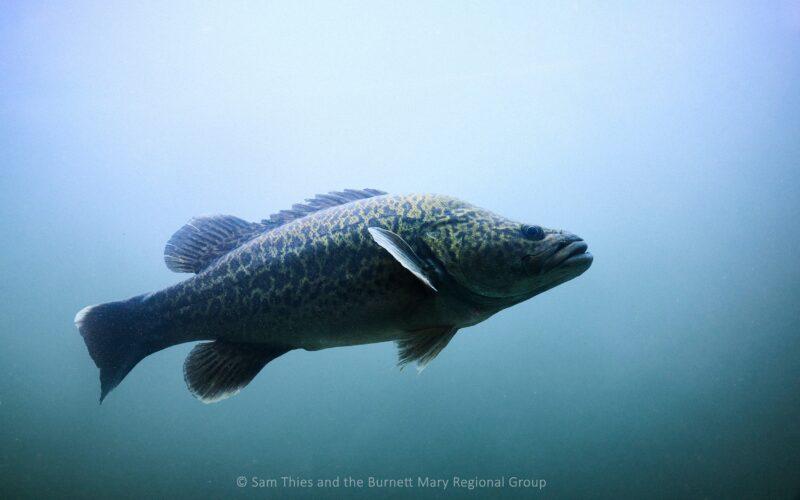
Guiding the strategic management of freshwater fish
Identifying and creating safer situations for wildlife within large, unfenced landscapes
Improving environmental outcomes on conserved and managed lands
Informing management of feral cats and foxes in priority areas
Managing and monitoring for improved biodiversity outcomes using state-and-transition models
PeatSense: Improving condition monitoring and management of endangered alpine peatlands in the Australian Alps
Planning for catchment resilience and threatened species recovery from extreme events in Queensland’s Moonaboola (Mary River)
Protecting threatened species in safe havens
Research to support the management of priority desert threatened species
Restoration by design: improving biodiversity outcomes from Australia’s restoration investments
Restoring and recovering landscape resilience
Socioeconomic insights for resilient landscapes
Supporting the strategic management of invasive grasses
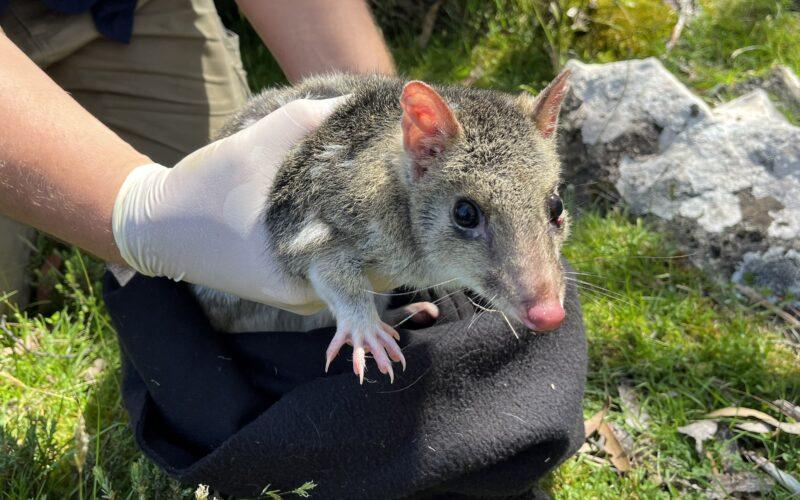
Understanding the ongoing decline of a threatened arid mesopredator – the kowari (Dasyuroides byrnei)
Using integrated data analysis to assess regional transferability
What does success look like? Factors resulting in positive outcomes for Landcare and threatened-species recovery-team projects
Fire and weeds in the Top End
Investing in Indigenous cultural and natural resource managers
Rehabilitated mine sites and Top End animals
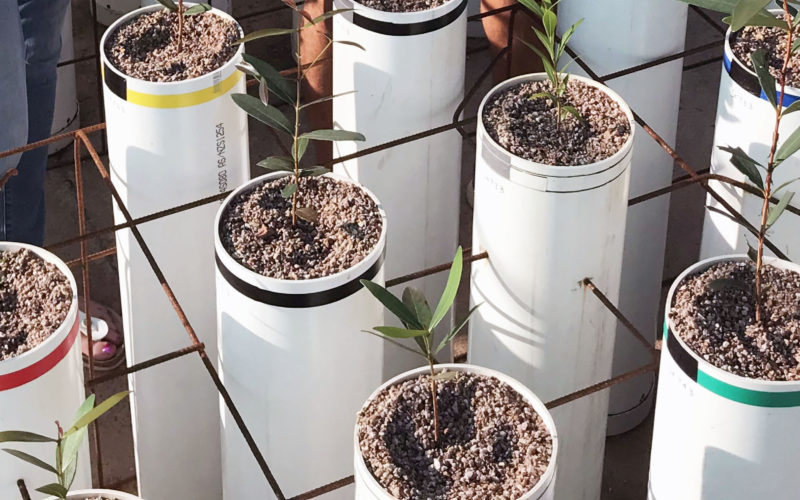
Tree water use and sensitivity to contaminated mine water
Info Sheet
September 2025
Research to improve the management of feral cats and red foxes (info sheet)
Report
July 2025
Wet Tropics fish risks and recovery actions
O’Mara, K., Carpenter-Bundhoo, L., Compagnoni, S., Donaldson, J., Geelen, L., Lucas, T., Marshall, J., Negus, P., Pusey, B. & Kennard, M. (2025). Threats, risk assessment and recovery action planning for rare and threatened freshwater fish in Queensland’s Wet Tropics region. Report to the Queensland Government and the Resilient Landscapes Hub of the Australian Government’s National Environmental Science Program.
Video
June 2025
Kakadu Research Strategy announcement
Research product or tool
June 2025 | Open Access
Kakadu Research Strategy
Cooper, V., Calma, B., Nayinggul C., Rawlinson, M., Dobbs, R., Rossiter-Rachor, N. and Douglas, M. 2024. Kakadu Research Strategy 2025-2035. Department of Climate Change, Energy, the Environment and Water, Canberra. CC BY 4.0.
Info Sheet
May 2025
Flinders restoration project newsletter update May 2025 (info sheet)
Scientific Paper
May 2025 | Open Access
Where to replant – prioritising revegetation based on site suitability and ecological outcomes
Pierre Defourny, Vanessa M. Adams, Where to replant - prioritising revegetation based on site suitability and ecological outcomes. Biological Conservation, Volume 307, 2025, 111142. ISSN 0006-3207. https://doi.org/10.1016/j.biocon.2025.111142
Report
November 2024
Resilient Landscapes Hub 2023 Annual Progress Report
Video
June 2024
‘Our last chance’: A film on Queensland’s Moonaboola (Mary River), by the Burnett Mary Regional Group
Scientific Paper
May 2024 | Open Access
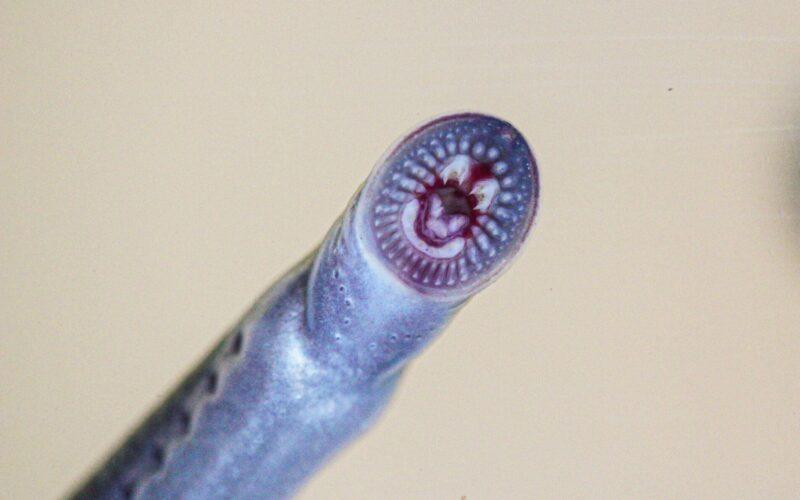
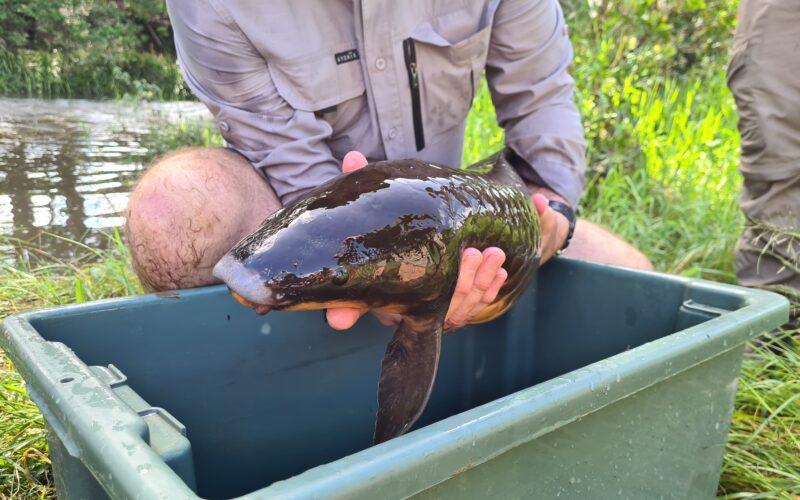
Expanding the known range and practical conservation issues of the Endangered Australian brook lamprey Mordacia praecox (scientific paper)
Carpenter-Bundhoo L, Moffatt DB (2024) Expanding the known range and practical conservation issues of the Endangered Australian brook lamprey Mordacia praecox. Endang Species Res 53:547-553. https://doi.org/10.3354/esr01319
Info Sheet
April 2024
Recognising culturally significant entities project (Info sheet)
Shields T (2024) Recognising culturally significant entities Project Information, fact sheet for the Resilient Landscapes Hub of the Australian Government’s National Environmental Science Program. Curtin University.
Report
April 2024
Digital Woman Ranger Program (impact report)
(2024) Digital Women Ranger Program: Learning digital skills to care for country together. Report.
Report
December 2023
Improving outcomes for threatened species and ecological communities considered by the Commonwealth approval process. 1: suggestions from of EAD officers (report)
Marsh H and Carwardine J (2023) Improving outcomes for threatened species and ecological communities considered by the Commonwealth approval process. 1: suggestions from of EAD officers, report to the Resilient Landscapes Hub of the Australian Government’s National Environmental Science Program. James Cook University, Townsville.
Info Sheet
December 2023
Rewilding Norfolk: closing management knowledge gaps for faunal restoration on islands (info sheet)
Info Sheet
December 2023
Planning for catchment resilience and threatened species recovery from extreme events in Queensland’s Moonaboola (Mary River) (info sheet)
Report
June 2023
Resilient Landscapes Hub 2022 Annual Progress Report
Other
April 2023 | Open Access
Revealing and mapping the secrets of Queensland’s Mary River (ABC 7.30 segment)
Other
April 2023 | Open Access
Unveiling the Mary River’s secrets (ABC article)
Other
July 2022 | Open Access
Climate change killed 40 million Australian mangroves in 2015. Here’s why they’ll probably never grow back (Conversation article)
Duke N (28 July 2022) ‘Climate change killed 40 million Australian mangroves in 2015. Here’s why they’ll probably never grow back’, The Conversation.
Other
July 2022
Resilient Landscapes Hub 2021 Annual Progress Report
Scientific Paper
July 2022 | Open Access
Faunal standards for the restoration of terrestrial ecosystems: a framework and its application to a high-profile case study (scientific paper)
Andersen AN, Einoder LD, Fisher A, Hill B and Oberprieler SK (2022) ‘Faunal standards for the restoration of terrestrial ecosystems: a framework and its application to a high-profile case study’, Restoration Ecology, 31: e13735, https://doi.org/10.1111/rec.13735.
Report
July 2022
Northern Hub Final Report 2021
Northern Australia Environmental Resources Hub. 2021. Northern Australia Environmental Resources Hub Final Report. Charles Darwin University, Darwin.
Video
February 2022
Gulf of Carpentaria research overview (video)
Scientific Paper
January 2022 | Open Access
Understanding Indigenous values and priorities for wetlands to guide weed management actions: Lessons from the Nardab floodplain in northern Australia’s Kakadu National Park (scientific paper)
Bangalang N-g, Nadji J, Nayinggul A, Nadji S, Nayinggul A, Dempsey S, Mangiru K, Dempsey J, McCartney S, Mairi Macdonald J. and Robinson CJ (2022) ‘Understanding Indigenous values and priorities for wetlands to guide weed management actions: lessons from the Nardab floodplain in northern Australia’s Kakadu National Park’, Ecological Management and Restoration, 23:105-116. https://doi.org/10.1111/emr.12542.
Scientific Paper
November 2021
Deuterium depletion in xylem water and soil isotopic effects complicate the assessment of riparian tree water sources in the seasonal tropics (scientific paper)
Duvert, C, Canham, CA, Barbeta, A, et al. Deuterium depletion in xylem water and soil isotopic effects complicate the assessment of riparian tree water sources in the seasonal tropics. Ecohydrology. 2021;. Accepted Author Manuscript. e2383 https://doi.org/10.1002/eco.2383
Report
November 2021
Fish migration in Magela Creek and potential impacts of mining-related solutes (final report)
Crook D, Wedd D, Adair B, King A, Mooney T, Harford A and Humphrey C (2021) Fish migration in Magela Creek and potential impacts of mining-related solutes. Charles Darwin University, Darwin.
Report
October 2021
Ecohydrology and sensitivity of riparian flora, Magela Creek, Ranger uranium mine (final report)
Hutley LB, Duvert C, Setterfield SA, Bourke A, Canham CA, Freestone FL, Cavalieri OO, Alvarez-Cortez D and Brand M (2021) Ecohydrology and sensitivity of riparian flora, Magela Creek, Ranger uranium mine. Charles Darwin University, Darwin.
Video
October 2021
Fish movement and sensitivity to contaminated mine water (impact video)
Video
August 2021
NESP Northern Hub wrap-up video
Impact Storie
May 2021
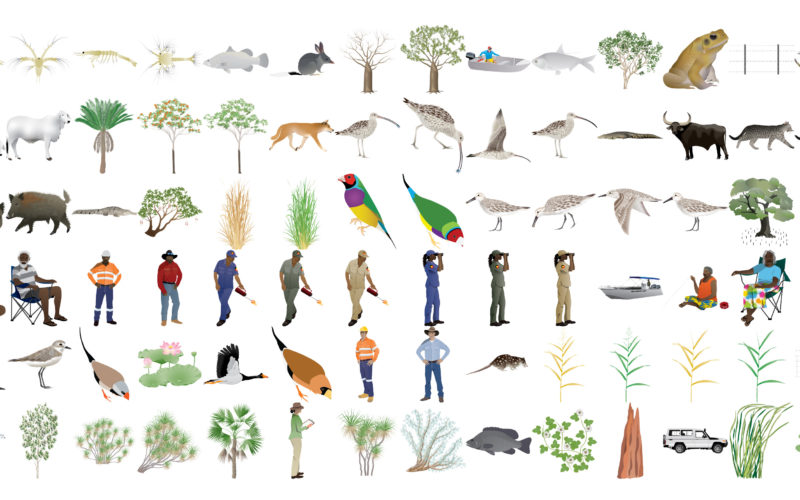
Engagement is a two-way street: Creating symbols for science communication (impact story 2020)
Other
March 2021
More Than Words (CSIRO Double Helix article Jan 2021)
Video
November 2020
Rehabilitated mine sites and Top End animals (impact video)
Impact Storie
October 2020
Filling knowledge gaps for the rehabilitation of Ranger uranium mine (impact story 2019)
Info Sheet
May 2020
Tree water use and sensitivity to contaminated mine water (project update April 2020)
Scientific Paper
April 2020
The importance of sampling intensity when assessing ecosystem restoration: ants as bioindicators in northern Australia (scientific paper)
Oberprieler, S.K. and Andersen, A.N. (2020). The importance of sampling intensity when assessing ecosystem restoration: ants as bioindicators in northern Australia. Restoration Ecology. Accepted Author Manuscript. doi:10.1111/rec.13172
Scientific Paper
February 2020 | Open Access
Effect of elevated magnesium sulfate on two riparian tree species potentially impacted by mine site contamination (scientific paper)
Canham, C.A., Cavalieri, O.Y., Setterfield, S.A. et al. Effect of elevated magnesium sulfate on two riparian tree species potentially impacted by mine site contamination. Sci Rep 10, 2880 (2020). https://doi.org/10.1038/s41598-020-59390-9
Scientific Paper
February 2020
Effect of elevated magnesium sulfate on two riparian tree species potentially impacted by mine site contamination (scientific paper dataset)
Canham, C. (Creator), Cavalieri, O. Y. (Creator), Setterfield, S. (Creator), Freestone, F. (Creator) & Hutley, L. B. (Creator). (19 Feb 2020). Effect of elevated magnesium sulfate on two riparian tree species potentially impacted by mine site contamination. The University of Western Australia. https://doi.org/10.26182/5e61d3ad6a460
Info Sheet
September 2019
Recommended standards for fauna recovery at rehabilitated mine sites (wrap-up factsheet Aug 2019)
Info Sheet
September 2019
Fish movement and sensitivity to contaminated mine water (project update August 2019)
Video
August 2019
Fish movement and sensitivity (video Aug 2019)
Report
August 2019
Recommended faunal standards for the rehabilitation of Ranger uranium mine (final report)
Report
August 2019
Invertebrate assemblages at Ranger uranium mine’s trial revegetation sites compared with natural reference sites (report)
Report
August 2019
Rehabilitation of vertebrate assemblages at Ranger uranium mine: Assessment standards and monitoring methodology (report)
Info Sheet
July 2018
Rehabilitated mine sites and Top End animals (start-up factsheet)
Info Sheet
July 2018
Fish movement and sensitivity to contaminated mine water (start-up factsheet)
Info Sheet
July 2018
Tree water use and sensitivity to contaminated mine water (start-up factsheet)
Other
May 2017
Top End research overview (brochure Jun 2018)